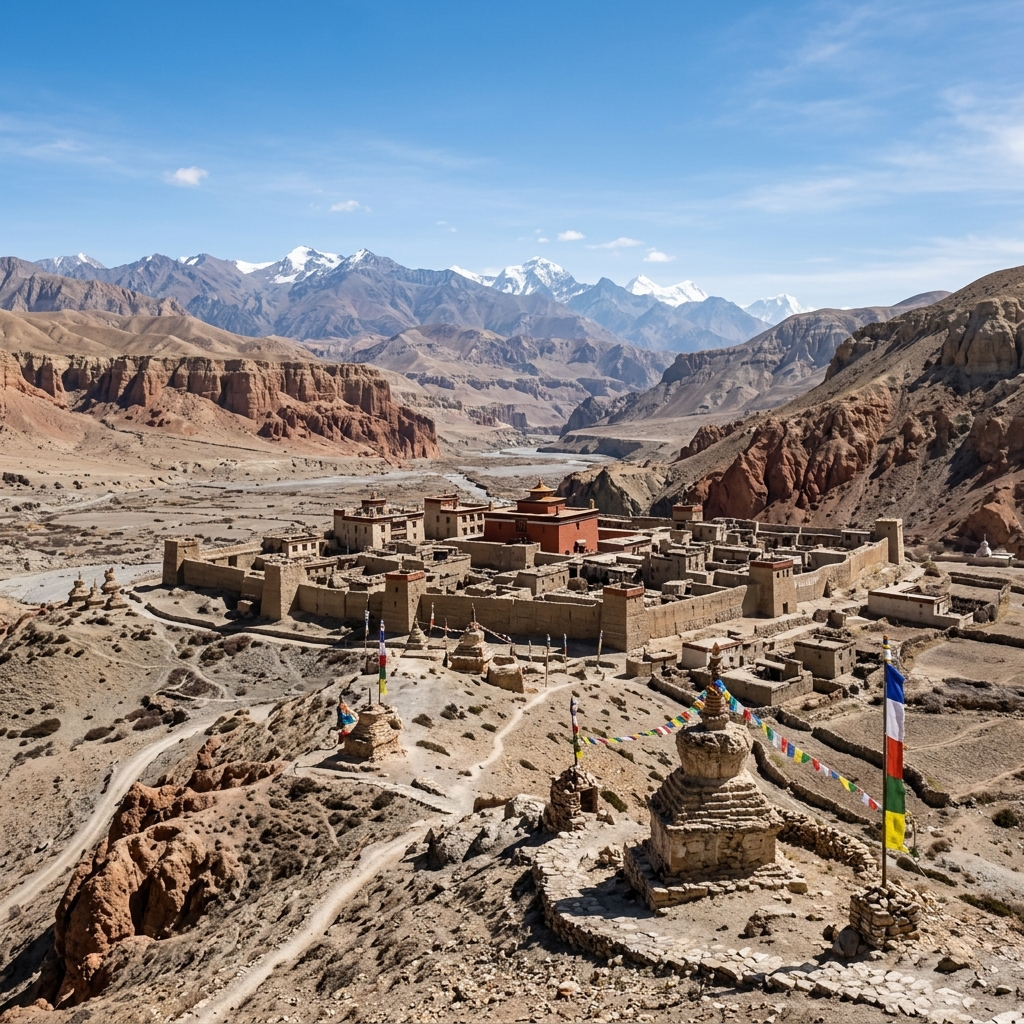
1. Expectation vs. Reality: The Truth About the Walled Kingdom of Lo
Founded in 1380 by the legendary warrior king Ame Pal, who unified the independent nomadic clans of the northern Tibetan plateau and constructed the fortified square bastion of Lo Manthang, the Kingdom of Lo controlled the lucrative trans-Himalayan salt trade corridor through the Kali Gandaki Gorge for over six centuries. Tibetan wool, salt, and yak herds moved south in exchange for lowland grain, spices, and silks. Even after being incorporated into the modern unified state of Nepal in the late 18th century, Mustang was granted autonomous status, preserving its hereditary monarch (the Gyelpo of Lo) through 25 generations until the official end of the royal line in 2008 following the passing of King Jigme Dorje Palbar Bista.
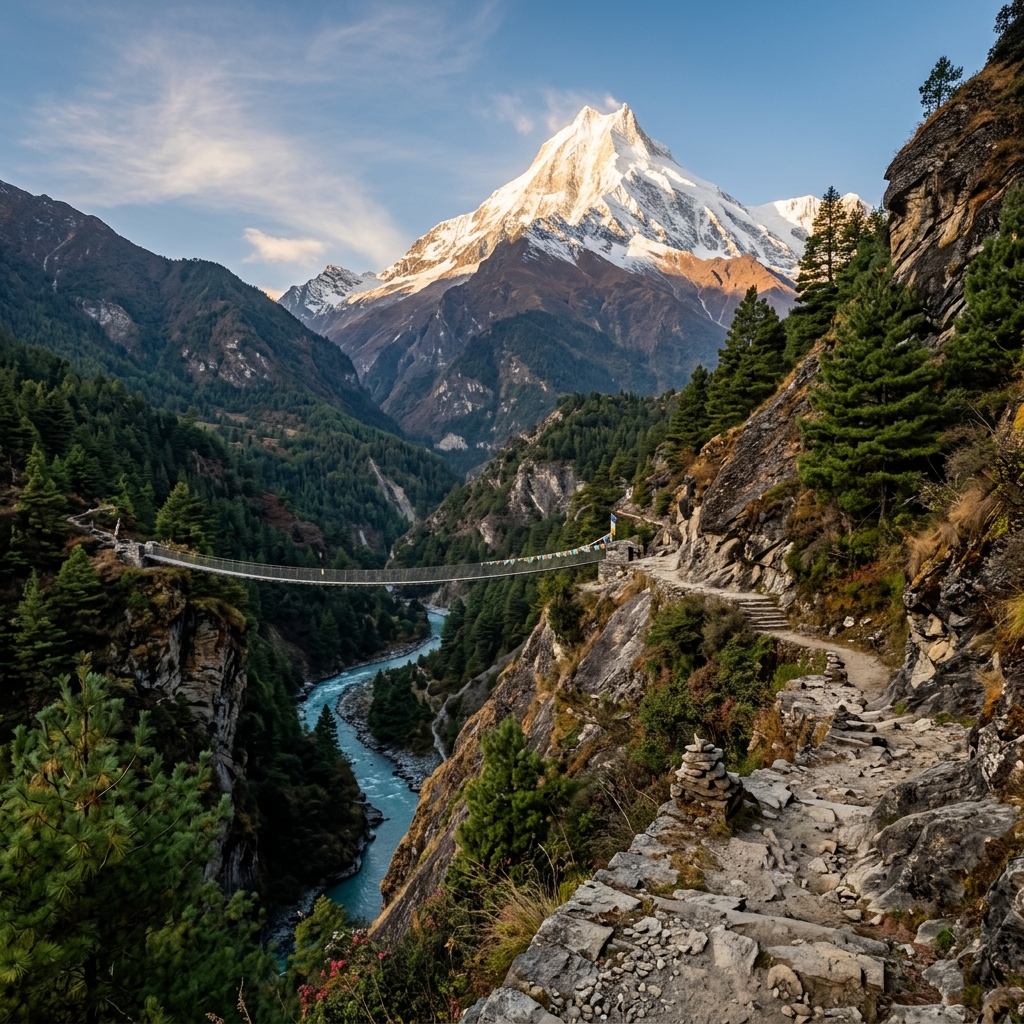
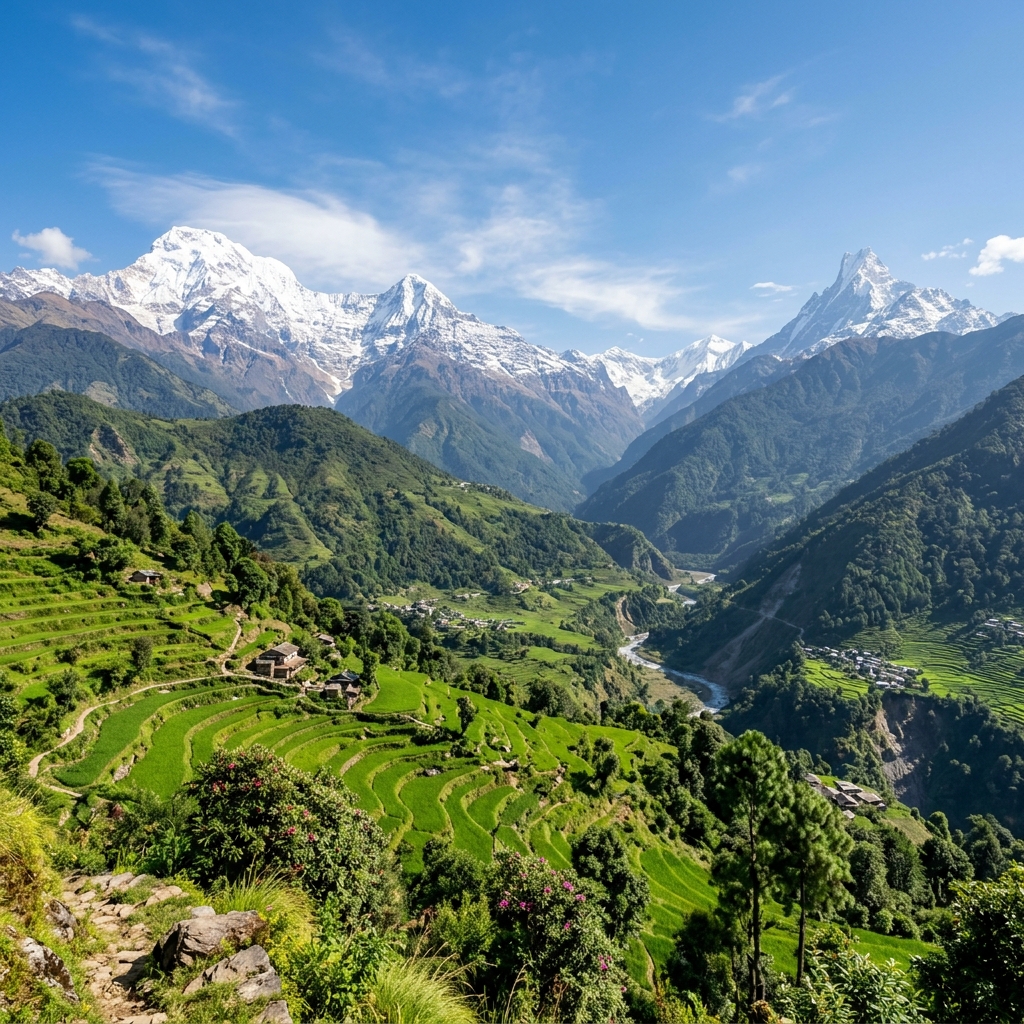
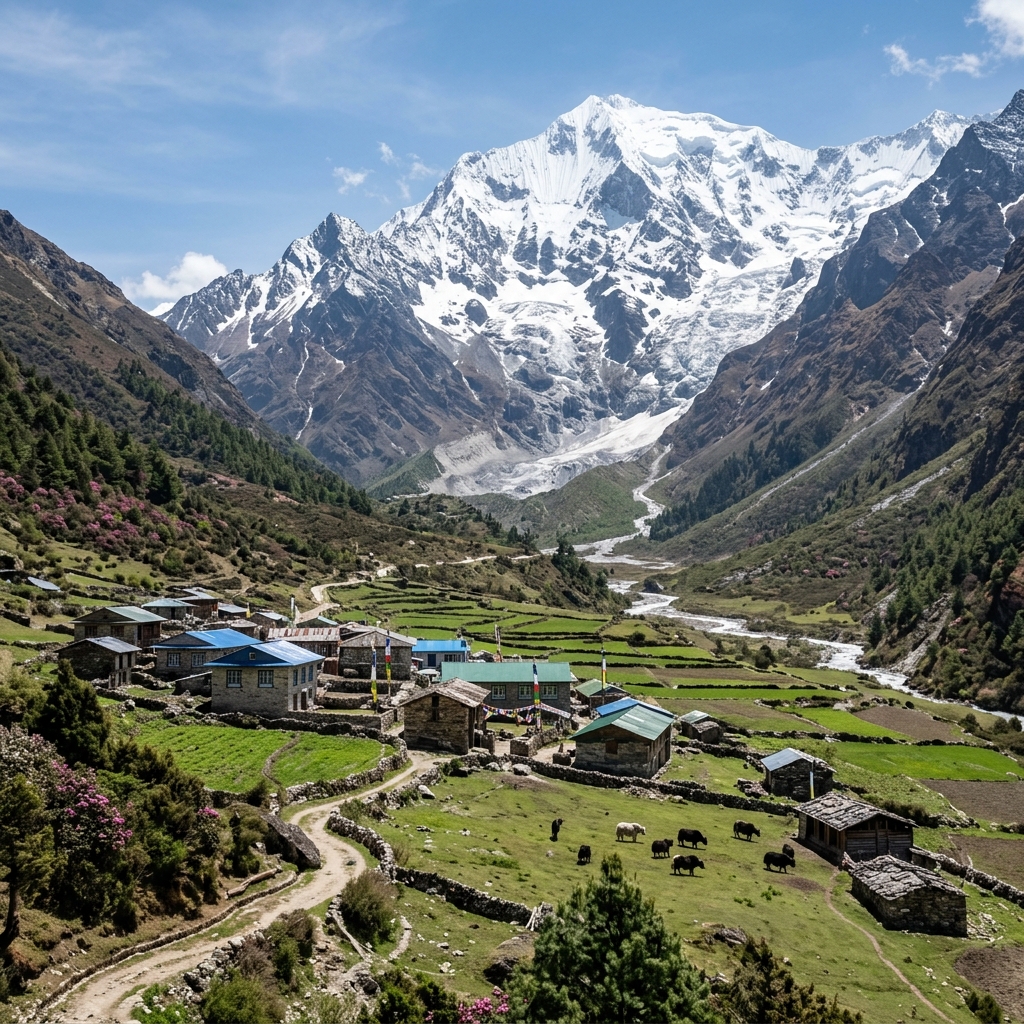
Until 1992, Upper Mustang was completely closed to all foreign travelers. Today, stepping across the ancient boundary checkpoint at Kagbeni (2,810m) feels like entering an unaltered 15th-century Tibetan Buddhist civilization. Surrounded by colossal wind-fluted red canyon towers, 2,000-year-old cliffside sky caves, and sacred Jurassic ammonite fossil beds (Saligrams), Upper Mustang is unlike any other trek on Earth.
1. Medieval Walled Capital & Living Monasteries
2. Rain-Shadow Desert vs. Monsoon Downpours
3. The 10,000 Mysterious Sky Caves of Chhoser
4. Ancient Footpaths vs. Unpaved Dirt Roads
5. Physical Accessibility & Moderate Altitude
6. Traditional Loba Earthen Heritage Lodges
Comprehensive 8-Dimension Himalayan Regional Face-Off
How Upper Mustang compares with Nepal's other premier trekking circuits in 2026:
| Evaluation Dimension | 🌟 Upper Mustang | Manaslu Circuit | Annapurna Circuit | Everest Base Camp |
|---|---|---|---|---|
| Expedition Duration | 14 Days (10 Days RAP) | 14 – 16 Days | 12 – 16 Days | 12 – 14 Days |
| Highest Sleeping Elevation | 3,840m (Lo Manthang) | 4,460m (Dharamsala) | 4,880m (High Camp) | 5,164m (Gorak Shep) |
| Highest Pass Crossing | 4,010m (Nyi La Pass) | 5,106m (Larkya La) | 5,416m (Thorong La) | 5,545m (Kala Patthar) |
| Summer (Jun–Aug) Suitability | 🌟 100% Dry (Rain Shadow) | Wet / Monsoon Landslides | Partial (Manang Dry) | Wet / Overcast Skies |
| Government Permit Cost | $500 RAP + $23 ACAP | $100 RAP + $46 MCAP/ACAP | $38 ACAP + TIMS | $53 Khumbu + SNP |
| Crowd & Foot Traffic | Very Low (Strict $500 Quota) | Low (Restricted Area) | Moderate – High | High (Busy Trails) |
| 2026 Average Package Cost | $1,890 – $2,350 USD | $1,290 – $1,550 USD | $1,150 – $1,450 USD | $1,350 – $1,650 USD |
| Trailhead Access Logistics | Scenic 20m Flight Pokhara ⇄ Jomsom | 8h 4WD Jeep to Machha Khola | Overland to Besisahar | Flight to Lukla (Weather Dep) |
The Lo Manthang (3,840m) Royal Cultural Exploration Hub
Dedicating two full nights in Lo Manthang allows for deep, unhurried exploration of 15th-century royal monasteries, ancient cave fortresses, and trans-Himalayan valleys:
Chhoser Sky Caves & Jhong Cave (3,900m)
Journey north toward the Tibetan frontier into the amber cliffs of Chhoser. Climb wooden staircases into the 5-story Jhong Cave with 40 rock-cut rooms and visit the cliff-embedded Nyiphuk Monastery.
Jampa Lhakhang & Thubchen Gompa
Tour Jampa Lhakhang (1420 AD), housing a 50-foot gilded clay Future Buddha (Maitreya) and priceless gold-leaf mandalas restored by Luigi Fieni and the American Himalayan Foundation, and Thubchen Gompa.
Namgyal Gompa (Monastery of Victory)
Perched dramatically atop a high desert hill northwest of Lo Manthang, this 15th-century monastery serves as the regional high court and monastic school for young Loba monks.
Tingkhar Walled Village & Royal Palace
The traditional summer palace of the King of Mustang situated in a lush barley oasis. Offers panoramic views of the northern trans-Himalayan desert extending directly to the Tibetan frontier.
2. 2026 Permits, $500 RAP, Checkpoint Protocol & Legal Rules
Because Upper Mustang borders the Tibet Autonomous Region (China) and preserves centuries of fragile antiquity, the Government of Nepal enforces strict regulatory access via the Department of Immigration Restricted Area Permit (RAP) system:
Upper Mustang Restricted Area Permit (RAP)
- • Extension Rate: $50 USD per person per additional day beyond 10 days
- • Issuing Office: Nepal Department of Immigration (Kathmandu & Pokhara)
- • Group Quota: Strictly minimum two (2) foreign trekkers per application
- • Agency Requirement: Must be processed via a registered agency (Best Treks Nepal)
- • Required Documents: Original passport, biometric photo, valid Nepal visa
Annapurna Conservation Area Permit (ACAP)
- • SAARC Nationals: NPR 1,500 (~$11.50 USD)
- • Issuing Authority: National Trust for Nature Conservation (NTNC)
- • Validity: Single entry covering entire Annapurna/Mustang sanctuary
- • TIMS Card: NPR 2,000 (~$15 USD) for GPS trekker tracking & safety
- • Usage: Funds trail restoration, waste stations & eco-initiatives
- 1. Minimum Two-Trekker Group Rule: Independent solo trekking without an official partner is illegal under Nepal Immigration rules. Best Treks Nepal pairs solo travelers on guaranteed departure dates to issue joint permits.
- 2. Mandatory Government-Certified Guide: Foreigners cannot pass the Kagbeni checkpoint without a certified, insured mountain guide registered with a government-licensed agency.
- 3. Strict Drone Prohibition: Recreational drone flying is strictly banned across Upper Mustang without formal clearances from the Ministry of Home Affairs, CAAN, and the Department of Archaeology. Unauthorized drones are confiscated at checkpoints.
- 4. Ancient Mural & Relic Protection: Flash photography is strictly forbidden inside 15th-century gompas to protect delicate mineral pigments. Always walk clockwise around Mani walls and chortens.
- 5. Saligram Fossil Protection: Sacred Jurassic ammonite fossils (Saligrams) found along the Kali Gandaki riverbed are protected cultural heritage items and cannot be commercially exported without authorization.
Police, Army & Immigration Checkpoint Sequence
Your guide presents your original RAP, ACAP, and passports at five mandatory checkpoint stations:
| Checkpoint Station | Location & Elevation | Enforcing Authority | Inspected Documents & Formalities |
|---|---|---|---|
| 1. Jomsom Airport Gate | Jomsom (2,720m) | Nepal Police & ACAP Post | ACAP entry registration, passport validation, trekker logging. |
| 2. Kagbeni Border Gate | Kagbeni (2,810m) | Department of Immigration Post | Official border into Restricted Upper Mustang. RAP wet-stamping, guide license check, strict passport scanning. |
| 3. Chele Police Post | Chele (3,050m) | Nepal Police Sub-Post | Verification of entry date and monitoring adherence to the 10-day itinerary window. |
| 4. Tsarang Checkpost | Tsarang (3,560m) | Armed Police Force (APF) | Security clearance and logging arrival before entering the northern capital valley. |
| 5. Lo Manthang City Gate | Lo Manthang (3,840m) | Immigration & Municipality Post | Final arrival confirmation, recording Chhoser cave excursions and departure dates. |
Kathmandu/Pokhara to Jomsom & Mustang Transit Comparison
| Transport Option | Route & Duration | Estimated Cost | Road Condition & Comfort | Sherpa Recommendation |
|---|---|---|---|---|
| Scenic Mountain Flight | Pokhara ⇄ Jomsom (20 mins) | $130 – $150 USD / one way | Pristine aerial views between Annapurna & Dhaulagiri peaks | 🌟 #1 Recommended Choice |
| Private 4WD Scorpio Jeep | Pokhara → Beni → Jomsom (7–8 hrs) | $220 – $260 USD / jeep (split) | Bumpy unpaved mountain switchbacks along Kali Gandaki Gorge | Comfortable Overland Backup |
| Public Express Bus | Pokhara → Beni → Jomsom (10–12 hrs) | $15 – $20 USD / person | Crowded, rough unpaved dirt road, frequent delays | Not Recommended |
3. 14-Day Gold Standard Upper Mustang Itinerary
This gold-standard 14-day itinerary ascends the classic western route through Chele, Syangboche, Ghemi, and Tsarang to the walled capital of Lo Manthang (3,840m), dedicating two full days to exploration before looping back via the dramatic red-cliff eastern route through Ghar Gompa, Dhakmar, Ghiling, and Chhusang:
| Day | Route Stage | Night Alt | Net Alt Gain | Hiking Dist | Duration | RAP Day Count |
|---|---|---|---|---|---|---|
| Day 1 | Fly Kathmandu to Pokhara (Scenic Flight) | 820 m | -480 m (Descent) | 25 min Flight | Afternoon Rest | Pre-RAP |
| Day 2 | Fly Pokhara to Jomsom (2,720m) & Trek to Kagbeni | 2,810 m | +90 m | 11.0 km | 3.5 hrs | Pre-RAP Gate |
| Day 3 | Kagbeni (Enter RAP) to Chele via Tangbe | 3,050 m | +240 m | 15.2 km | 5–6 hrs | RAP Day 1 |
| Day 4 | Chele to Syangboche via Taklam La (3,624m) & Dajori La | 3,800 m | +750 m | 12.5 km | 6 hrs | RAP Day 2 |
| Day 5 | Syangboche to Ghemi via Nyi La Pass (4,010m) | 3,520 m | +210m / -490m | 11.8 km | 5 hrs | RAP Day 3 |
| Day 6 | Ghemi to Tsarang via Longest Mani Wall & Choya La (3,870m) | 3,560 m | +40 m | 11.0 km | 4.5 hrs | RAP Day 4 |
| Day 7 | Tsarang to Lo Manthang Walled City via Lo La Pass (3,950m) | 3,840 m | +280 m | 13.5 km | 4.5 hrs | RAP Day 5 |
| Day 8 | Lo Manthang Exploration: Chhoser Sky Caves & Jhong Cave | 3,840 m | +60 m (Daytrip) | 12.0 km | 5 hrs | RAP Day 6 |
| Day 9 | Lo Manthang to Dhakmar via 8th-Century Ghar Gompa (3,920m) | 3,820 m | -20 m | 16.5 km | 6–7 hrs | RAP Day 7 |
| Day 10 | Dhakmar to Ghiling via Syangboche & Juniper Ridges | 3,570 m | -250 m | 13.0 km | 5.5 hrs | RAP Day 8 |
| Day 11 | Ghiling to Chhusang via Chungsi Cave Monastery | 2,980 m | -590 m | 14.0 km | 5.5 hrs | RAP Day 9 |
| Day 12 | Chhusang to Jomsom via Kagbeni Gate (Exit RAP Checkpoint) | 2,720 m | -260 m | 15.5 km | 5.5 hrs | RAP Day 10 (Exit) |
| Day 13 | Fly Jomsom to Pokhara (20 min) & Lakeside Relaxation | 820 m | Flight | 20 min Flight | Rest Day | Complete |
| Day 14 | Fly/Drive Pokhara to Kathmandu & Farewell Cultural Dinner | 1,300 m | Transit | 25 min Flight | Kathmandu | Complete |
Day 1 Kathmandu (1,300m) to Pokhara (820m) & Expedition Briefing 820m · 25 min Flight · Afternoon Rest
Take a scenic 25-minute morning flight from Kathmandu to Pokhara, soaring parallel to the snowcapped Langtang, Ganesh Himal, and Manaslu ranges. Transfer to your lakeside hotel overlooking Phewa Lake. In the afternoon, meet your lead Loba expedition guide for a comprehensive pre-trek briefing. Review your gear, passport documentation, and $500 RAP clearances. Enjoy a relaxed evening strolling Pokhara's vibrant lakeside promenade.
Day 2 Fly Pokhara to Jomsom (2,720m) & Trek to Kagbeni Gateway 2,810m · 11.0 km · 3.5 hrs
Board the early morning 20-minute flight from Pokhara to Jomsom, carving directly between the 8,000-meter giants of Annapurna I (8,091m) and Dhaulagiri (8,167m) through the world's deepest river canyon. Land on Jomsom's mountain tarmac (2,720m), assemble your porter team, and begin trekking northward along the wide shingle flats of the Kali Gandaki riverbed. Arrive at Kagbeni (2,810m)—the medieval mud-brick fortress guarding the restricted gateway. Explore the 500-year-old red Kag Chode Thupten Sampheling Monastery in the late afternoon.
Day 3 Kagbeni (Enter RAP) to Chele via Tangbe & Red Chortens 3,050m · 15.2 km · 5–6 hrs
Present your $500 RAP permits at the Kagbeni immigration checkpoint and step officially into Restricted Upper Mustang. The path climbs east along the river canyon to Tangbe (3,060m), an oasis of whitewashed mud homes, red chortens, and green apple orchards. Continue past fluted sandstone bluffs to Chhusang (2,980m), cross the Kali Gandaki suspension bridge beneath massive eroded canyon pillars, and make the steep cliffside staircase ascent into Chele (3,050m).
Day 4 Chele to Syangboche via Taklam La (3,624m) & Dajori La (3,735m) 3,800m · 12.5 km · 6 hrs
Climb a steep, rocky spur out of Chele to cross the Taklam La Pass (3,624m). Enjoy sweeping views of Tilicho Peak, Yakwakang, and Damodar Himal. Descend into the picturesque village of Samar (3,660m) for a morning tea break amidst poplar groves. Traverse deep side canyons and cross the Dajori La Pass (3,735m) before dropping down past the painted rock caves of Bhena into the serene settlement of Syangboche (3,800m).
Day 5 Syangboche to Ghemi via Nyi La Pass (4,010m) & Red Badlands 3,520m · 11.8 km · 5 hrs
Ascend steadily from Syangboche past the Yamda La (3,850m) and climb to the top of Nyi La Pass (4,010m)—the highest pass on the classic trekking trail and the historic southern watershed boundary of the Kingdom of Lo. From the prayer-flag-strewn crest, take in breathtaking 360° panoramas of the Tibetan high plateau. Descend through crimson, ochre, and blue clay canyon amphitheaters into the fertile barley oasis of Ghemi (3,520m).
Day 6 Ghemi to Tsarang via 305m Mani Wall & Royal Palace 3,560m · 11.0 km · 4.5 hrs
Walk past the longest sacred Mani Wall in Nepal (over 300 meters long), exquisitely carved with thousands of Chenrezig mantras. Cross the suspension bridge over the Ghemi Khola, climb through vibrant red canyon bluffs to cross the Choya La Pass (3,870m), and descend into Tsarang (3,560m). Tsarang was the ancient second capital of the kingdom and houses a 5-story 14th-century royal palace and a fortified red Sakya monastery perched over a dramatic cliff edge.
Day 7 Tsarang to Walled City of Lo Manthang via Lo La Pass (3,950m) 3,840m · 13.5 km · 4.5 hrs
Descend the Tsarang canyon, cross the river, and climb gently across the windswept desert plateau. After a gentle ascent to Lo La Pass (3,950m), pause to experience the iconic moment of the trek: looking down upon the fortified square walled capital of Lo Manthang (3,840m) surrounded by green barley fields and snowy peaks along the Tibetan frontier. Enter through the city's historic single gate into an unaltered 15th-century world.
Day 8 Lo Manthang Exploration: 2,000-Yr Chhoser Sky Caves & Royal Gompas 3,840m · 12.0 km · 5 hrs Exploration
The Grand Cultural Discovery Day: Travel by horseback or hike north toward the Tibetan frontier into the canyon of Chhoser. Climb wooden stairs into the 5-story Jhong Sky Cave carved into vertical cliffs with 40 interconnected rooms, ancient granaries, and burial chambers. Visit the cliff-embedded Nyiphuk Monastery. In the afternoon, return inside Lo Manthang's city walls to tour Jampa Lhakhang (1420 AD) with its 50-foot gilded clay Future Buddha, and Thubchen Gompa with its grand timber pillars.
Day 9 Lo Manthang to Dhakmar via 8th-Century Ghar Gompa & Chogo La (4,230m) 3,820m · 16.5 km · 6–7 hrs
Depart Lo Manthang along the dramatic high western route. Climb steadily over the Chogo La Pass (4,230m), offering spectacular panoramas across the northern valleys. Descend to visit Ghar Gompa (3,920m), the oldest active monastery in Mustang founded in the 8th century by Guru Rinpoche, famous for its ancient carved painted stone panels. Continue descending into Dhakmar (3,820m), nestled beneath towering blood-red sandstone cliffs.
Day 10 Dhakmar to Ghiling via Syangboche & High Juniper Ridges 3,570m · 13.0 km · 5.5 hrs
Leave Dhakmar in the crisp morning light, walking along the base of the fluted sandstone cliffs. Climb past alpine juniper groves over the Ja-Te La Pass (4,020m) and traverse high scenic ridgelines. Descend through Tama Gaon and rolling agricultural terraces into the peaceful whitewashed settlement of Ghiling (3,570m). In the afternoon, visit the two historic Sakya monasteries overlooking the village.
Day 11 Ghiling to Chhusang via Sacred Chungsi Cave Monastery & Samar 2,980m · 14.0 km · 5.5 hrs
Follow the trail through high desert canyons to the sacred cliff hermitage of Chungsi Cave (Ranchung Cave). This remote cave is revered across the Buddhist world as a meditation hermitage of Guru Rinpoche, featuring natural stalactite self-arisen deity formations. Continue past Samar and descend the steep canyon staircase back to the river confluence village of Chhusang (2,980m).
Day 12 Chhusang to Jomsom via Kagbeni Gate (Exit $500 RAP Checkpoint) 2,720m · 15.5 km · 5.5 hrs
Trek southward along the Kali Gandaki riverbed past Tangbe to Kagbeni (2,810m). Here, our lead guide presents your permits for final verification, officially concluding our 10-day Restricted Area Permit window. Continue south along the windy riverbed to Jomsom (2,720m). Settle into a comfortable lodge and join your guide and porter crew for a joyful farewell celebration!
Day 13 Fly Jomsom to Pokhara (20 min) & Lakeside Relaxation 820m · 20 min Flight · Rest & Spa
Take the early morning 20-minute flight from Jomsom back to Pokhara, enjoying spectacular farewell aerial views of the Annapurna and Dhaulagiri massifs. Transfer to your lakeside hotel. Spend the afternoon relaxing with a hot bath, professional massage, fresh coffee at lakeside cafes, or an evening wooden boat ride on Phewa Lake.
Day 14 Fly/Drive Pokhara to Kathmandu & Farewell Cultural Dinner 1,300m · 25 min Flight · Farewell Dinner
Fly from Pokhara back to Kathmandu in the morning. Transfer to your hotel in Thamel for last-minute souvenir shopping (Tibetan singing bowls, pashmina shawls, and organic tea). In the evening, join the Best Treks Nepal team for a festive farewell dinner featuring authentic Nepali cuisine and traditional cultural music, celebrating the successful completion of your Upper Mustang Walled Kingdom expedition!
Special Expeditions: 3 Premier Upper Mustang Extensions
The 3-Day Tiji Festival Expedition
Upper Mustang 4WD Jeep Safari
Luri Gompa, Yara & Damodar Kunda Pilgrimage
4. Real 2026 Cost Breakdown: All-Inclusive vs. Direct Logistics
Unlike standard open trekking routes, Upper Mustang requires significant fixed government tariffs ($500 RAP) and round-trip mountain flights between Pokhara and Jomsom (~$260–$300 USD). Understanding the exact cost allocation ensures zero financial surprises:
2026 Package Tiers: All-Inclusive vs. Guide-Only vs. Luxury 4WD VIP
| Package Feature | 🌟 Best Treks All-Inclusive ($1,890) | Guide & Permit Only ($1,450) | Luxury 4WD VIP Safari ($3,450) |
|---|---|---|---|
| $500 RAP & ACAP Permits | Included & Pre-Processed | Included | VIP Expedited Priority Processing |
| Domestic Flight Tickets | Included (Pokhara ⇄ Jomsom) | Self-Paid ($280+ round-trip) | Included or Helicopter Upgrade |
| Teahouse Accommodations | Included (Best Loba Heritage Lodges) | Self-Paid on Trail (~NPR 1,200/nt) | Luxury Heritage Suite (Ensuite & Heater) |
| 3 Daily Meals + Tea & Fruit | Included (Full Menu Choices) | Self-Paid on Trail (~NPR 4,000/day) | Unlimited Menu + Wine & Special Dishes |
| Guide & Porter Support | 1 Lead Loba Guide + 1 Porter / 2 Pax | Guide Only (Carry own pack) | 1 Senior Guide + 1 Dedicated Porter |
| Transport inside Mustang | Classic Foot Trek + Horse Option | Foot Trek | Private 4WD Mahindra Scorpio Backup |
Elevation Price Escalation Index (2026 Trail Averages)
Real prices across different Mustang settlements for daily on-trail spending:
| Village Location | Plate of Dal Bhat (Refills) | 1L Boiled Water | Hot Gas / Solar Shower | Phone / Battery Charge | Slice of Apple Pie |
|---|---|---|---|---|---|
| Kagbeni (2,810m) | NPR 600 (~$4.60) | NPR 120 (~$0.90) | NPR 300 (~$2.30) | Free in Room | NPR 350 (~$2.70) |
| Chele (3,050m) | NPR 700 (~$5.35) | NPR 180 (~$1.35) | NPR 350 (~$2.70) | NPR 200 (~$1.50) | NPR 400 (~$3.05) |
| Tsarang (3,560m) | NPR 800 (~$6.15) | NPR 200 (~$1.50) | NPR 400 (~$3.05) | NPR 250 (~$1.90) | NPR 450 (~$3.45) |
| Lo Manthang (3,840m) | NPR 850 (~$6.50) | NPR 250 (~$1.90) | NPR 500 (~$3.85) | NPR 300 (~$2.30) | NPR 500 (~$3.85) |
🧮 Interactive 2026 Upper Mustang Budget Calculator
Select your travel tier and extras to estimate your total package and trail cash requirements:
• Porter: $8 – $10 USD / day (split by total group)
Best Practice: Present tips inside envelopes during your farewell celebration at Jomsom on Day 12.
• Helicopter Medevac: Ensure your insurance covers trekking up to 4,500m and emergency helicopter evacuation.
5. Altitude Safety, Desert Hydration & Katabatic Wind Mechanics
Because maximum sleeping altitudes top out comfortably at 3,840m in Lo Manthang and pass crossings reach 4,010m (Nyi La), Upper Mustang features a significantly gentler physiological altitude profile than the Everest Base Camp (5,364m) or Manaslu (5,106m) circuits. However, the primary physiological challenges in Upper Mustang are extreme desert aridity and high-velocity katabatic windstorms:
High-Desert Dehydration (Humidity < 20%)
Kali Gandaki Katabatic Windstorms
Extreme UV Radiation & Sun Glare
Twice-Daily SpO2 Pulse Oximeter Logs
Altitude Illness Clinical Pathology Matrix
| Pathology | Diagnostic Symptoms & SpO2 | Standard Field Test | Pharmacological & Evacuation SOP |
|---|---|---|---|
| Acute Mountain Sickness (AMS) | Throbbing frontal headache, nausea, fatigue, insomnia, loss of appetite. SpO2: 75%–84%. | Lake Louise AMS Score ≥ 3 with headache | Halt ascent immediately. Rest 24h, hydrate 4L daily. Ibuprofen (400mg) for headache; Acetazolamide / Diamox (125mg–250mg BID) to accelerate acclimatization. |
| High Altitude Cerebral Edema (HACE) | Severe ataxia (loss of physical coordination), confusion, slurred speech, hallucinations. SpO2 < 65%. | Tandem Gait Test: Inability to walk heel-to-toe in a straight line for 10 paces | CRITICAL MEDICAL EMERGENCY. Immediate descent to Kagbeni/Jomsom. Dexamethasone (8mg stat, then 4mg q6h), emergency satellite helicopter evacuation. |
| High Altitude Pulmonary Edema (HAPE) | Severe breathlessness at rest, persistent wet cough, gurgling in lungs, pink frothy sputum. SpO2 < 60%. | Audible chest crackles/rales | CRITICAL MEDICAL EMERGENCY. Immediate descent. Nifedipine (20mg sustained release), supplemental oxygen, emergency helicopter evacuation. |
Interactive Lake Louise AMS Scorecard
Evaluate your high-altitude symptoms in real-time according to official International Hypoxia consensus criteria:
Your body is acclimatizing normally. Maintain steady hydration (4L/day), protect against desert dust, and enjoy the trek!
6. "What No One Tells You" — 10 Uncensored Upper Mustang Secrets
Unfiltered realities from our native Loba and Sherpa guides that glossy commercial travel brochures omit:
Summer (June–August) is Actually the Best Trekking Season
While 90% of Nepal is soaked by monsoon rain, Upper Mustang's rain shadow stays bone-dry. The barley fields turn emerald green, wild buckwheat blooms, temperatures are comfortably warm (20°C–24°C), and trails are completely uncrowded.
Start Every Morning Stage by 06:30 AM to Beat the Wind
The Kali Gandaki valley acts as a giant aerodynamic wind tunnel. After 11:30 AM, winds howl at 50 km/h, blowing fine alkaline dust into your eyes and mouth.
The $500 RAP Permit Exactly Covers 10 Days in the Restricted Zone
The 10-day clock starts the moment you pass the Kagbeni checkpoint and stops when you exit back at Kagbeni. If you stay an 11th day, immigration levies a mandatory $50 USD per day surcharge.
You Need a Sturdy Headlamp and Agility to Enter Jhong Cave
The 5-story Jhong Cave in Chhoser has steep carved wooden steps and pitch-black interior chambers. National Geographic discovered 2,000-year-old skeletons and Buddhist manuscripts here.
Try Authentic Mustangi Apple Brandy, Seabuckthorn Juice & Buckwheat
Mustang produces world-class organic apples in Marpha and Tangbe. Teahouses serve fresh vitamin-C-rich Seabuckthorn juice, local buckwheat pancakes (Dhido), and warming Marpha Apple Brandy.
Monastery Donation Etiquette: Carry Small NPR Notes
Ancient gompas in Lo Manthang, Tsarang, and Ghar Gompa are maintained by local monk committees. Caretakers unlock ancient relic rooms and appreciate a modest donation (NPR 200–500).
Jomsom Mountain Flights Only Operate Before 11:00 AM
Because afternoon canyon winds make the Jomsom runway unsafe for Twin Otter aircraft, all flights between Pokhara and Jomsom operate exclusively between 06:15 AM and 10:30 AM.
The Legend of Dhakmar's Blood-Red Cliffs
According to 8th-century Tibetan mythology, Guru Rinpoche (Padmasambhava) slayed a giant ogress demon whose blood splattered across the canyon walls, staining the cliffs of Dhakmar deep red for eternity.
Mustangi Mud Roofs are Naturally Insulated
Traditional Loba architecture uses thick rammed-earth and mud walls with flat roofs. This keeps interiors naturally cool during sunny days and remarkably warm during freezing desert nights.
Solo Travelers Can Easily Join Guaranteed Departure Groups
You do not need to bring a friend to trek Upper Mustang. Best Treks Nepal groups solo travelers together on fixed departure dates to issue the official joint $500 RAP permit seamlessly.
7. Best Seasons & 12-Month Climate Analysis
Because Upper Mustang sits north of the Himalayan crest line in the dry Tibetan rain shadow, its seasonal dynamics differ completely from the rest of Nepal:
☀️ Summer Monsoon (Jun – Aug)
While rain drenches the rest of Nepal, Upper Mustang remains dry, sunny, and warm (18°C–24°C). Terraced fields are lush green with ripening barley and buckwheat. Zero crowds and pleasant night temperatures (6°C to 10°C).
🍂 Autumn (Sep – Nov)
Crisp desert air, deep cobalt skies, and golden harvest landscapes. Daytime temperatures average 14°C–18°C with cold, starry nights (-2°C to -8°C). The most popular window for international trekkers.
🌸 Spring & Tiji (Mar – May)
Villages wake from winter hibernation as locals return from lower valleys. Apple trees bloom in Kagbeni and Tangbe. In May, the world-famous 3-day Tiji Festival takes place in Lo Manthang.
❄️ Winter (Dec – Feb)
Extreme desert sub-zero cold (-15°C to -25°C at night). Over 70% of Lo Manthang's population migrates south to Pokhara and Kathmandu for trade. Most lodges are shuttered until March.
12-Month Meteorological & Temperature Matrix Table
| Month | Day Temp (Jomsom / Lo Manthang) | Night Temp (Lo Manthang 3,840m) | Wind Speed (Avg) | Rain / Snow Days | Mountain Visibility | Trek Suitability |
|---|---|---|---|---|---|---|
| January | 8°C / -2°C | -18°C to -25°C | 40 km/h | 3–4 Days Snow | 90% Sharp | Extreme Cold / Closed |
| February | 10°C / 2°C | -14°C to -20°C | 45 km/h | 2–3 Days Snow | 92% Crisp | Late Feb Reopening |
| March | 14°C / 8°C | -6°C to -10°C | 50 km/h | 1–2 Days | 92% Clear | Prime Spring |
| April | 18°C / 12°C | -2°C to -6°C | 50 km/h | 1–2 Days | 90% Crisp | 🌟 Prime Season |
| May | 21°C / 16°C | +2°C to -2°C | 45 km/h | 2–3 Days | 92% Clear | 🌟 Tiji Festival Peak |
| June | 24°C / 19°C | +7°C to +4°C | 40 km/h | 3–4 Days (Light) | 94% Sunny | 🌟 Premier Rain Shadow |
| July | 24°C / 20°C | +9°C to +6°C | 35 km/h | 4–5 Days (Light) | 92% Dry | 🌟 Premier Rain Shadow |
| August | 23°C / 19°C | +8°C to +5°C | 35 km/h | 4–5 Days (Light) | 92% Dry | 🌟 Premier Rain Shadow |
| September | 20°C / 15°C | +3°C to -2°C | 45 km/h | 2–3 Days | 96% Crystal | 🌟 Golden Harvest |
| October | 17°C / 11°C | -3°C to -7°C | 50 km/h | 1 Day | 99% Crystal | 🌟 #1 Best Gold Standard |
| November | 13°C / 6°C | -8°C to -14°C | 45 km/h | 1 Day | 98% Crisp | Outstanding |
| December | 9°C / 0°C | -15°C to -20°C | 40 km/h | 2–3 Days Snow | 92% Cold | Early Dec Only |
8. 4-Layer Gear System & Interactive Packing Checklist
Upper Mustang combines warm sunny days (18°C–24°C) with dry desert winds and freezing sub-zero nights. Pack efficiently using the proven 4-Layer Desert Alpine System:
Expedition Weight Allocation Protocol
🎒 Your Daypack Allocation (4 – 5 kg Max)
- Windproof hard-shell jacket & lightweight fleece
- 2 Liters of drinking water (insulated Nalgene bottles)
- Wrap-around UV-400 sunglasses, dust buff & SPF 50 sunscreen
- Original passport, cash pouch (NPR 30k+), phone & power bank
- Personal medical pouch (Diamox, eye drops, zinc lip balm)
🧳 Porter Duffel Bag Allocation (12 – 14 kg Max)
- -10°C to -15°C down sleeping bag & thermal silk liner
- Heavy 800-fill down jacket
- Spare trekking shirts, thermal base layers & camp pants
- Camp sandals/crocs, spare merino socks (4 pairs)
- Headlamp, power banks, charging cords & full toiletry kit
✅ Interactive 36-Item Upper Mustang Expedition Checklist
9. Frequently Asked Questions (FAQ)
Expert-verified answers to the 10 most critical questions regarding permits, fitness, costs, and trail logistics in Upper Mustang:
1. How difficult is the Upper Mustang Trek compared to Annapurna or Everest?
2. What permits are mandatory, and how much is the $500 RAP?
- Upper Mustang Restricted Area Permit (RAP): $500 USD per person for the first 10 days ($50/day extension).
- Annapurna Conservation Area Permit (ACAP): NPR 3,000 (~$23 USD) + 13% VAT.
- TIMS Card: NPR 2,000 (~$15 USD) per person.