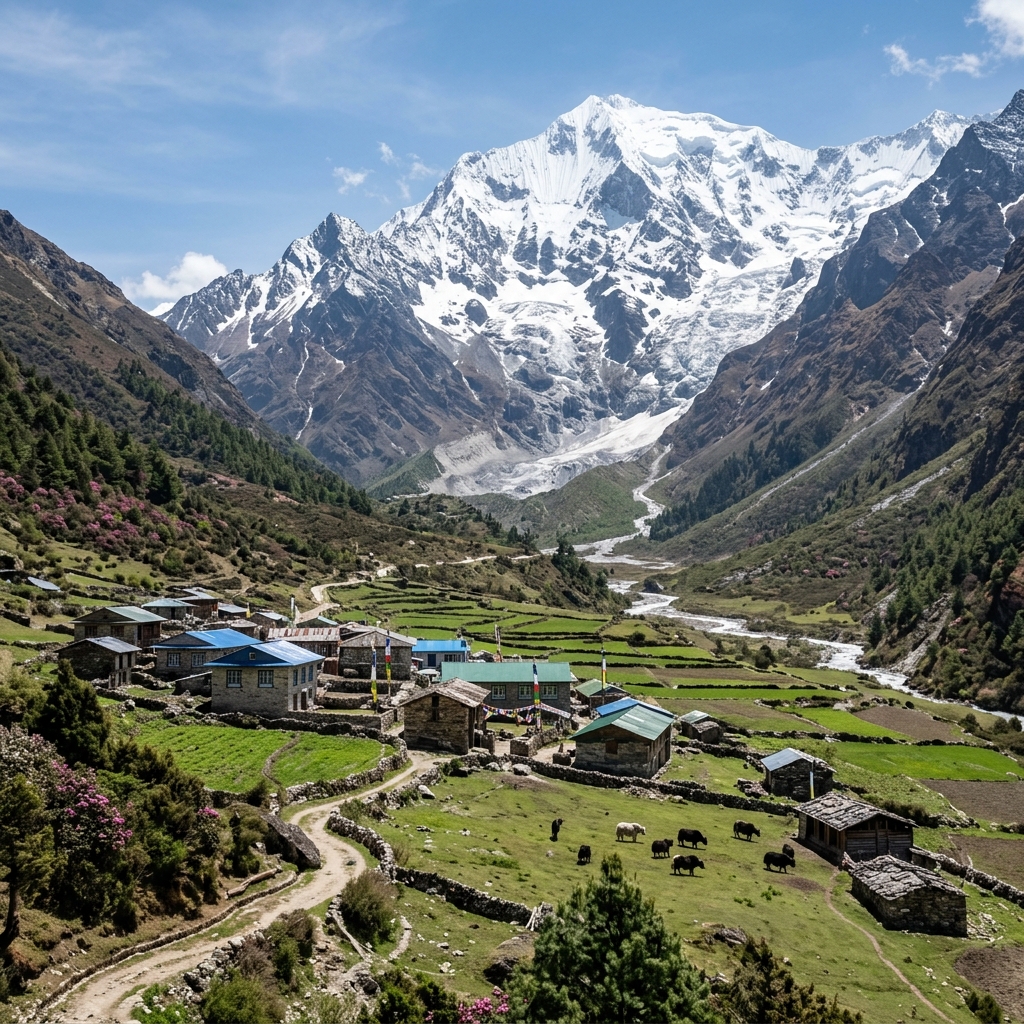
1. Expectation vs. Reality: The Truth About the Valley of Glaciers
First explored by legendary British mountaineer H.W. Bill Tilman in 1949, who famously wrote that "Langtang is one of the most charming valleys in the world", this narrow Himalayan canyon holds a reverent place in mountaineering lore. In ancient Tibetan Buddhist cosmology, Langtang is venerated as a "Beyul" (སྦས་ཡུལ)—a sacred hidden sanctuary consecrated by Padmasambhava (Guru Rinpoche) in the 8th century as a place of spiritual refuge during times of global turmoil.
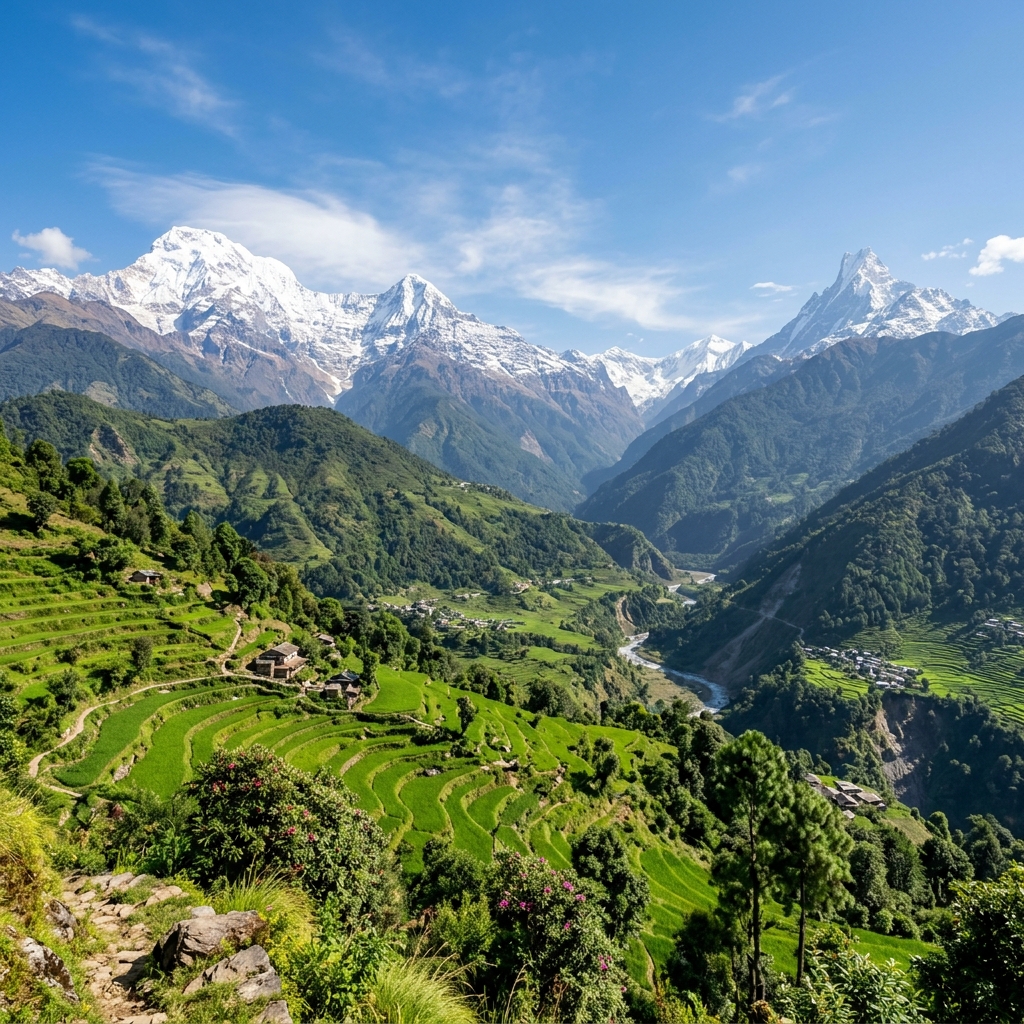
On April 25, 2015, a catastrophic 7.8-magnitude earthquake triggered the collapse of a massive hanging glacier on the south face of Langtang Lirung (7,227m). An estimated 40 million tons of ice, rock, and moraine obliterated Old Langtang Village. Today, passing the solemn Mani Stone Memorial Wall at the edge of the avalanche field is one of the most poignant emotional experiences in the Himalayas. Yet what trekkers witness immediately beyond is an extraordinary testament to human resilience: New Langtang Village was reconstructed 100 meters higher on the northern lateral moraine with earthquake-engineered stone masonry, Swiss-insulated teahouses, and solar arrays—transforming Langtang into one of the cleanest, warmest, and most community-focused trekking corridors in Nepal.
1. Post-Earthquake Lodges & Comfort
2. Mountain Scale & Proximity
3. Kathmandu Access & Zero Flight Risk
4. Fitness Level & Trail Terrain
5. Authentic Tibetan & Tamang Culture
6. Biodiversity & Red Panda Habitat
Comprehensive 8-Dimension Himalayan Regional Face-Off
How the Langtang Valley compares with Nepal's other premier trekking corridors in 2026:
| Evaluation Dimension | 🌟 Langtang Valley | Annapurna Circuit | Manaslu Circuit | Everest Base Camp |
|---|---|---|---|---|
| Expedition Duration | 7 – 8 Days (Fast & Direct) | 12 – 16 Days | 14 – 16 Days | 12 – 14 Days |
| Peak Summit Elevation | 4,773m (Kyanjin Ri) | 5,416m (Thorong La) | 5,106m (Larkya La) | 5,545m (Kala Patthar) |
| Highest Sleeping Altitude | 3,870m (Kyanjin Gompa) | 4,880m (Thorong High Camp) | 4,460m (Dharamsala) | 5,164m (Gorak Shep) |
| Trailhead Access | Syabrubesi (6–7h 4WD Jeep) | Besisahar / Chame (Overland) | Machha Khola (8–9h Jeep) | Lukla Flight (Weather Dependent) |
| Flight Cancellation Risk | Zero (100% Highway & Jeep) | Zero (Overland) | Zero (Overland) | High (Lukla Weather Delays) |
| Crowd & Foot Traffic | Low – Moderate (Peaceful) | Moderate – High | Low (Restricted Area) | High (Heavy Congestion) |
| 2026 Average Package Cost | $690 – $850 USD | $1,150 – $1,450 USD | $1,290 – $1,550 USD | $1,350 – $1,650 USD |
| Permits & Government Tariffs | $38 Total (LNP + TIMS) | $38 Total (ACAP + TIMS) | $146+ (RAP + MCAP + ACAP) | $53 (Khumbu Entry + SNP) |
The Kyanjin Gompa (3,870m) Alpine Exploration Hub
Establishing your base for two nights at Kyanjin Gompa allows you to acclimatize safely under the "Climb High, Sleep Low" physiological principle while tackling one of four breathtaking day expeditions:
Kyanjin Ri Lower Peak (4,400m)
A steady, steep switchback climb across alpine meadows directly behind Kyanjin village. Reaches a prayer-flag draped ridge overlooking the village roofs, Kyanjin Monastery, and the lower Langtang Lirung icefall. Perfect for trekkers testing their high-altitude lungs.
Kyanjin Ri Main Summit (4,773m)
Continues along the knife-edge rocky ridge past the Lower Peak to the true summit cairn. Delivers an awe-inspiring 360-degree panorama of Langtang Lirung (7,227m), Changbu (6,781m), Yansa Tsenji (6,543m), and the Tibetan border peaks. Recommended for 95% of trekkers.
Tserko Ri Summit (4,984m)
Crosses the Langtang Khola eastward and tackles a grueling, steep scree and moraine climb starting at 05:00 AM. Summit offers expansive views of Shishapangma (8,027m) in Tibet, Dorje Lakpa, and the Langshisha glacier. Requires high fitness and alpine stamina.
Langshisha Kharka (4,100m)
A flatter, expansive valley trek heading east along the glacial riverbed past yak pastures to the foot of Langshisha Glacier. Deep wilderness solitude beneath towering ice walls with very low altitude climbing strain.
2. 2026 Permits, TIMS, Checkpoints & Legal Regulations
Unlike restricted regions such as Manaslu, Upper Mustang, or Nar Phu, the Langtang Valley is an open national park corridor. This means you do not need expensive weekly Restricted Area Permits (RAP) or a minimum group requirement of two trekkers. However, entering Langtang National Park legally requires two primary government documents:
Langtang National Park Permit (LNP)
- • Enforcing Authority: Department of National Parks & Wildlife Conservation (DNPWC)
- • SAARC Citizens: NPR 1,500 (~$11.50 USD) | Nepali Nationals: NPR 100
- • Where Issued: Nepal Tourism Board (Kathmandu) or Dhunche Checkpoint Counter
- • Validity: Single entry, unrestricted duration within the park boundary
- • Documents Needed: Original passport, 2 passport photos, entry form
TIMS Card (Trekkers' Information Management System)
- • Enforcing Authority: Trekking Agencies Association of Nepal (TAAN) & NTB
- • SAARC Citizens: NPR 1,000 (~$7.50 USD) | Diplomats: Exempt
- • Where Issued: Registered government-licensed trekking agency in Kathmandu
- • Purpose: National trekker safety registry, emergency rescue tracking & insurance verification
- • Documents Needed: Licensed guide affiliation, emergency contact, passport scan
5 Inviolable Legal, Cultural & Environmental Rules
Every foreign trekker must be accompanied by an insured, licensed guide with a valid NTB registration badge.
Always pass Buddhist prayer walls (Mani stones) and chortens on your left (clockwise) out of sacred reverence.
Flying recreational drones in Langtang National Park is illegal without written permits from CAAN and DNPWC.
Deforestation is strictly penalized. Teahouse dining stoves above Ghodatabela operate strictly on dried yak dung and LPG.
Pack reusable insulated bottles with purification tablets; buy safe boiled water refills from local lodge filtration stations.
Police & Nepal Army Checkpoint Sequence
Your guide presents your original permits and passports at four mandatory checkpoint gates along the trail:
| Checkpoint Gate | Location & Altitude | Enforcing Authority | Inspection Protocol & Checks |
|---|---|---|---|
| 1. Dhunche Checkpoint | Dhunche Town (1,960m) | Nepal Army & Park Rangers | Mandatory physical bag check, LNP entry permit stamp, passport verification, drone inspection. |
| 2. Syabrubesi Suspension Bridge | Syabrubesi Trailhead (1,460m) | Nepal Police Post | TIMS card registration, guide license wet-stamp, emergency contact and itinerary logging. |
| 3. Ghodatabela Military Post | Ghodatabela (3,030m) | Nepal Army High-Altitude Post | National park entry ledger sign-in, tracking trekker ascendancy, verification of guide escort. |
| 4. Kyanjin Gompa Gate | Kyanjin Gompa (3,870m) | Local Tourist Police & Youth Club | Final arrival confirmation, recording summit intentions for Kyanjin Ri / Tserko Ri. |
Kathmandu to Syabrubesi: 4WD Private Jeep vs. Express Bus
The 130 km overland journey follows the Pasang Lhamu Highway via Trishuli and Dhunche. Here is the realistic transport comparison:
| Transport Mode | Travel Duration | One-Way Cost (NPR) | Comfort & Reliability Level | Best Treks Nepal Recommendation |
|---|---|---|---|---|
| Private 4WD Mahindra Scorpio | 6 – 7 Hours | NPR 18,000 – 22,000 ($135–$165 per vehicle) | Maximum Comfort · Door-to-door hotel pickup, photo stops, AC, cushioned suspension. | Included in All 2026 Best Treks Packages |
| Shared Local Jeep | 7 – 8 Hours | NPR 1,500 – 2,000 per seat (~$12–$15) | Moderate · 8–10 passengers packed tightly; departs from Machhapokhari. | Budget DIY solo travelers |
| Public Express Bus | 8 – 10 Hours | NPR 800 – 1,000 per seat (~$6–$8) | Low · Bumpy, frequent stops, basic bench seating, luggage strapped on roof. | Extreme budget backpackers only |
3. 8-Day Gold Standard Acclimatization Itinerary
The golden rule of Himalayan high-altitude safety is: "Never increase your sleeping elevation by more than 500 meters per day above 3,000 meters." This meticulously designed 8-day itinerary establishes Kyanjin Gompa (3,870m) as a dedicated two-night base camp. By sleeping at 3,870m and climbing to 4,773m (Kyanjin Ri) or 4,984m (Tserko Ri) during daylight hours before returning to sleep, your body triggers natural erythropoietin (EPO) production and adapts smoothly with zero physiological shock.
| Day | Route Stage | Night Alt | Net Alt Gain | Hiking Dist | Duration | AMS Risk Level |
|---|---|---|---|---|---|---|
| Day 1 | Kathmandu to Syabrubesi via Trishuli & Dhunche | 1,460 m | +160 m (Drive) | 130 km Drive | 6–7 hrs | Zero Risk (100% O2) |
| Day 2 | Syabrubesi to Lama Hotel via Bamboo | 2,470 m | +1,010 m | 11.5 km | 5–6 hrs | Low Risk (76% O2) |
| Day 3 | Lama Hotel to New Langtang Village via Ghodatabela | 3,430 m | +960 m | 14.8 km | 6 hrs | Moderate · Cross 3,000m (68% O2) |
| Day 4 | Langtang to Kyanjin Gompa & Cheese Factory | 3,870 m | +440 m | 6.8 km | 3–4 hrs | Base Camp Sleep (64% O2) |
| Day 5 | Summit Kyanjin Ri (4,773m) / Tserko Ri (4,984m) | 3,870 m | +903m / -903m | 8.5 km | 4–7 hrs | Climb High, Sleep Low (56% O2) |
| Day 6 | Kyanjin Gompa to Lama Hotel (Descent) | 2,470 m | -1,400 m | 21.6 km | 6–7 hrs | Rapid Recovery Descent |
| Day 7 | Lama Hotel to Syabrubesi (Trailhead) | 1,460 m | -1,010 m | 11.5 km | 4–5 hrs | Oxygen Rich Zone |
| Day 8 | Syabrubesi to Kathmandu (Overland Drive) | 1,300 m | Overland Drive | 130 km Drive | 6–7 hrs | Expedition Complete |
Day 1 Kathmandu to Syabrubesi via Trishuli & Dhunche 1,460m · 130 km · 6–7 hrs Drive
Early 07:00 AM hotel pickup in Kathmandu by private 4WD Mahindra Scorpio. We leave the Kathmandu Valley via the Balaju-Kakani highway or the Galchhi highway along the Trishuli River. Pass lush terraced hills, roadside fruit stalls, and hydropower tunnels to Trishuli Bazaar and Betrawati for an authentic organic lunch. We climb steep winding mountain switchbacks up to Dhunche (1,960m)—the district capital of Rasuwa—where our guide clears the first Nepal Army checkpoint and registers our Langtang National Park permits. A scenic 45-minute descent brings us into Syabrubesi (1,460m), the bustling gateway town along the confluence of the Bhote Koshi and Langtang Khola.
Day 2 Syabrubesi to Lama Hotel via Bamboo & Langtang Khola 2,470m · 11.5 km · 5–6 hrs Trek
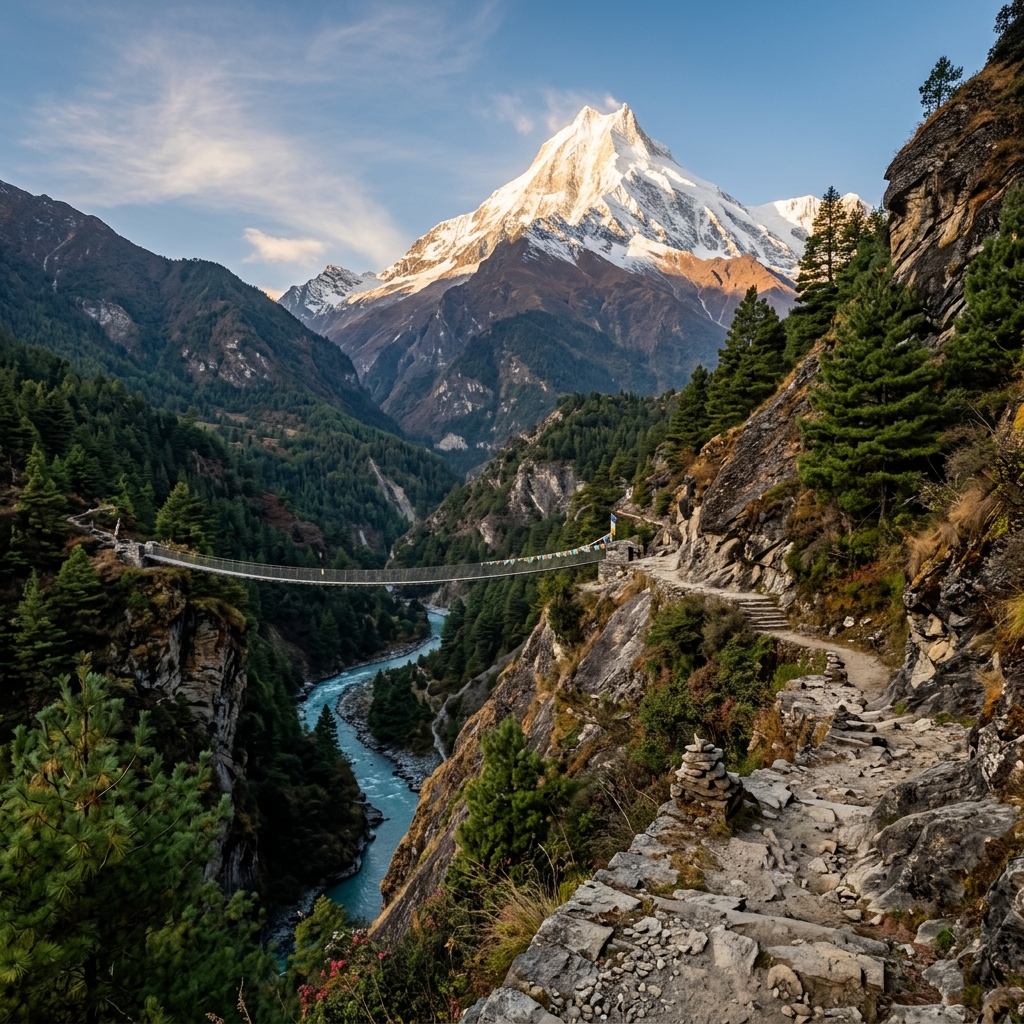
After a hearty breakfast, cross the long suspension bridge over the Bhote Koshi and turn east onto the stone-paved trail following the roaring Langtang Khola. We hike through a dense subtropical temperate canopy of oak, maple, alder, and towering bamboo groves. The trail ascends gently past Doman (1,680m) and reaches Bamboo (1,970m) by the riverside for a refreshing tea or lunch stop. From Bamboo, the trail steepens through moss-draped rhododendron forest, crossing a wooden bridge and ascending stone stairs past Rimche (2,400m) to reach the clearing of Lama Hotel (2,470m) nestled in the river forest.
Day 3 Lama Hotel to New Langtang Village via Ghodatabela 3,430m · 14.8 km · 6 hrs Trek
We begin climbing through hemlock, pine, and birch forest with fleeting glimpses of Langtang Lirung's white peaks between the trees. At Ghodatabela (3,030m), our guide logs our entry at the Nepal Army post. Here, the narrow river gorge opens dramatically into a classic wide, U-shaped glacial valley. We pass Buddhist water-driven prayer wheels, wooden yak pastures, and stone shelters at Thangshyap (3,140m) and Chamki. We cross the 2015 avalanche debris field, pausing in solemn silence at the Memorial Chorten wall, before arriving at New Langtang Village (3,430m), thriving with modern stone-masonry lodges.
Day 4 Langtang Village to Kyanjin Gompa & Swiss Cheese Factory 3,870m · 6.8 km · 3–4 hrs Trek
A gentle, visually magnificent half-day trek through open alpine pastures and juniper scrub. We pass Mundu (3,550m), Sindum, and the valley's longest carved Mani stone wall, always walking on the left side. Crossing wooden footbridges over braided glacial streams beneath the gargantuan hanging icefall of Langtang Lirung, we enter the amphitheater basin of Kyanjin Gompa (3,870m) by lunchtime. In the afternoon, visit the 400-year-old Kyanjin Monastery, tour the historic Swiss-backed Yak Cheese Factory, and enjoy fresh apple pie at the local high-altitude bakeries.
Day 5 Summit Day: Kyanjin Ri (4,773m) or Tserko Ri (4,984m) 4,773m / 4,984m · 8.5 km · 4–7 hrs
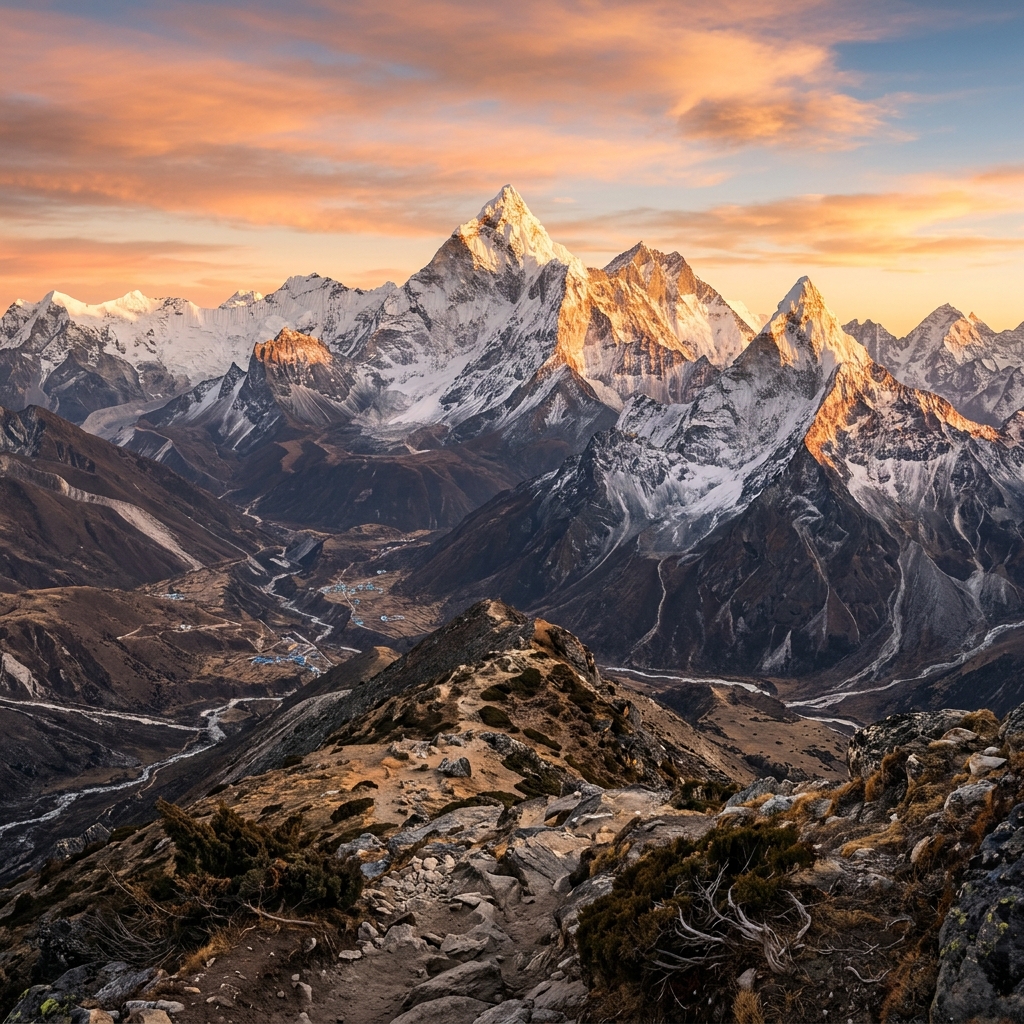
The Grand Summit Day: At 05:30 AM, begin the steady switchback climb directly behind Kyanjin Gompa. Reach the Lower Peak (4,400m) in 2 hours with panoramic views of the entire settlement below. Continue along the knife-edge rocky crest to the true summit cairn of Kyanjin Ri (4,773m). From the summit prayer flags, absorb an unmatched 360-degree theater: Langtang Lirung (7,227m), Changbu (6,781m), Yansa Tsenji (6,543m), Dorje Lakpa (6,966m), and snowbound Tibetan peaks. (Trekkers opting for Tserko Ri start at 05:00 AM for the 7-8 hour high-altitude challenge to 4,984m). Descend safely to Kyanjin Gompa for a hot lunch and a restful afternoon.
Day 6 Kyanjin Gompa to Lama Hotel (Descent Stage) 2,470m · 21.6 km · 6–7 hrs
After breakfast overlooking the morning glow on Langtang Lirung, begin the long descent back down the valley. Because you are losing elevation rapidly, your body feels invigorated with increasing oxygen levels. We retrace our steps past Langtang Village, Gumba, and Thangshyap, stopping at Ghodatabela for lunch. Re-enter the lush rhododendron and hemlock forests to reach Lama Hotel (2,470m) by late afternoon for a cozy evening.
Day 7 Lama Hotel to Syabrubesi via Bamboo 1,460m · 11.5 km · 4–5 hrs
Continue descending through Rimche and Bamboo along the Langtang Khola. Enjoy the warmer temperatures, birdsong, and lush river canyon. Cross the suspension bridge into Syabrubesi by lunchtime. Enjoy a hot shower, a celebratory farewell dinner with your guide and porter crew, and a restful night in a comfortable lodge.
Day 8 Syabrubesi to Kathmandu (Overland Drive) 1,300m · 130 km · 6–7 hrs
Board our private 4WD Mahindra Scorpio after breakfast. We retrace the scenic Pasang Lhamu Highway via Dhunche and Trishuli, stopping for lunch along the riverbanks. Arrive back in Kathmandu by mid-afternoon with a direct drop-off at your hotel in Thamel.
Have Extra Days? 3 Premier Langtang Extension Routes
Langtang + Gosaikunda Holy Lakes (4,380m)
Tamang Heritage Trail + Langtang Valley
Langtang + Gosaikunda + Helambu Grand Circuit
4. Real 2026 Cost Breakdown: Package vs. Direct Logistics
The Langtang Valley Trek is recognized as Nepal's premier high-value Himalayan journey. Because it eliminates costly domestic mountain flights ($440 round-trip to Lukla) and hefty restricted area permit tariffs ($100/week in Manaslu or $500 in Upper Mustang), your total expedition cost is roughly 40% to 50% lower than an Everest or Annapurna expedition of comparable length.
2026 Package Options: All-Inclusive vs. DIY vs. Luxury VIP
| Expedition Component | 🌟 Best Treks All-Inclusive ($690) | Guide-Only DIY ($450) | Luxury VIP Package ($1,250) |
|---|---|---|---|
| Private 4WD Transport | Included Both Ways (KTM ⇄ Syabrubesi) | Self-Paid ($30 shared or $160 private) | Private Luxury Toyota Prado |
| All Teahouse Lodging | Included (Handpicked Best Lodges) | Self-Paid on Trail (~NPR 1,000/nt) | Attached Bath & Electric Blankets |
| 3 Daily Meals + Fresh Fruit | Included (Full Menu Choices + Hot Drinks) | Self-Paid on Trail (~NPR 3,500/day) | Unlimited Menu + Bakery & Yak Cheese |
| National Park & TIMS Permits | Included & Pre-Arranged ($38 Total) | Self-Arranged in Kathmandu | VIP Expedited Paperwork |
| Guide & Porter Crew | 1 Lead Guide + 1 Porter per 2 Hikers | Guide Only (Carry own pack) | 1 Senior Guide + 1 Dedicated Porter |
| Safety & Oximeter Monitoring | Daily Morning/Evening SpO2 Logs + First Aid | Basic Guide First Aid Kit | Gamow Bag + Oxygen Cylinder Backup |
Elevation Price Escalation Index (2026 Real Trail Averages)
Because all supplies above Syabrubesi must be carried on human backs or pack horses, prices increase predictably with altitude:
| Elevation Zone | Plate of Dal Bhat (Refills) | 1L Boiled Drinking Water | Medium Pot Ginger Tea | Hot Gas Shower | Phone / Powerbank Charge |
|---|---|---|---|---|---|
| Syabrubesi (1,460m) | NPR 500 (~$3.80) | NPR 100 (~$0.75) | NPR 450 (~$3.45) | NPR 250 (~$1.90) | Free / Included in Room |
| Lama Hotel (2,470m) | NPR 650 (~$5.00) | NPR 150 (~$1.15) | NPR 600 (~$4.60) | NPR 350 (~$2.70) | NPR 200 (~$1.50) / device |
| Langtang Village (3,430m) | NPR 750 (~$5.75) | NPR 200 (~$1.50) | NPR 750 (~$5.75) | NPR 400 (~$3.05) | NPR 250 (~$1.90) / device |
| Kyanjin Gompa (3,870m) | NPR 850 (~$6.50) | NPR 250 (~$1.90) | NPR 900 (~$6.90) | NPR 500 (~$3.85) | NPR 300 (~$2.30) / device |
🧮 Interactive 2026 Langtang Budget Calculator
Select your travel tier and extras to estimate your total package and trail cash requirements:
• Trekking Guide: $10 – $15 USD / day (split by total group)
• Porter: $7 – $10 USD / day (split by total group)
Best Practice: Place tips in separate envelopes and hand them personally on the final evening in Syabrubesi.
• Emergency Medevac: Ensure your travel insurance explicitly covers hiking up to 5,000 meters and helicopter emergency evacuation ($3,000+ per mission).
5. Kyanjin Ri (4,773m) Summit Anatomy & Altitude Safety
While sleeping elevations in Langtang top out comfortably at 3,870m in Kyanjin Gompa—well below the extreme danger zones of Thorong High Camp (4,880m) or Gorak Shep (5,164m)—ascending Kyanjin Ri (4,773m) or Tserko Ri (4,984m) exposes your body to atmospheric pressure where effective oxygen drops to 56% of sea level. Understanding the physiology of hypoxic adaptation is critical to a safe, successful summit.
The North Ridge Switchbacks (3,870m → 4,400m)
The Knife-Edge Summit Crest (4,400m → 4,773m)
Tserko Ri High Expedition (4,984m)
Descent & "Climb High, Sleep Low"
Altitude Illness Clinical Pathology & Emergency SOP
Every Best Treks Nepal expedition leader is certified in Wilderness First Aid (WFA) and carries pulse oximeters to assess blood oxygen saturation (SpO2) twice daily:
| Pathology | Diagnostic Symptoms & SpO2 | Standard Field Test | Pharmacological & Evacuation SOP |
|---|---|---|---|
| Acute Mountain Sickness (AMS) | Throbbing frontal headache, nausea, fatigue, insomnia, loss of appetite. SpO2: 75%–84%. | Lake Louise AMS Score ≥ 3 with headache present | Halt ascent immediately. Rest 24–48h at same altitude. Hydrate 4L daily. Ibuprofen (400–600mg) for headache; Acetazolamide / Diamox (125mg–250mg BID) to accelerate acclimatization. |
| High Altitude Cerebral Edema (HACE) | Severe ataxia (loss of physical coordination), confusion, slurred speech, hallucinations, irrational behavior. SpO2 < 65%. | Tandem Gait Test: Inability to walk heel-to-toe in a straight line for 10 paces | CRITICAL MEDICAL EMERGENCY. Immediate descent of at least 500m–1,000m. Administer Dexamethasone (8mg stat, then 4mg every 6 hrs), portable hyperbaric Gamow bag, emergency satellite helicopter SOS. |
| High Altitude Pulmonary Edema (HAPE) | Severe breathlessness at rest, persistent wet cough, gurgling in lungs, pink frothy sputum, cyanosis (blue lips). SpO2 < 60%. | Audible chest crackles/rales with ear or stethoscope | CRITICAL MEDICAL EMERGENCY. Immediate descent. Nifedipine (20mg sustained release), high-flow supplemental oxygen (4–6 L/min), emergency helicopter evacuation from Kyanjin Gompa helipad. |
Interactive Lake Louise AMS Scorecard
Evaluate your high-altitude symptoms in real-time according to official International Hypoxia consensus criteria:
Your body is acclimatizing normally. Maintain steady hydration (4L/day), fuel with warm soups and carbohydrates, and walk at a steady conversational pace.
6. "What No One Tells You" — 10 Uncensored Langtang Secrets
Unfiltered field intelligence and cultural realities from our native Tamang and Sherpa guides that mainstream commercial travel brochures overlook:
New Langtang Lodges Outperform Traditional EBC Teahouses
Because the entire settlement of Langtang Village was rebuilt following the 2015 earthquake, the teahouses feature modern stone architecture, high ceilings, double-glazed insulated windows, solar arrays, and more attached western bathrooms than legacy huts on older Himalayan routes.
The Highway Drive is Bumpier Than the Actual Trek
The 130 km road from Kathmandu to Syabrubesi along the Pasang Lhamu Highway includes roughly 35 km of unpaved, winding mountain switchbacks between Betrawati and Dhunche. Public buses take 9–10 agonizing hours, while private 4WD Mahindra Scorpios complete the trip in 6–7 hours with cushioned suspensions.
The Lama Hotel to Langtang Elevation Jump Catches Trekkers Off-Guard
Day 3 ascends from Lama Hotel (2,470m) to New Langtang (3,430m)—a net gain of +960 meters in a single day, crossing the critical 3,000m threshold. Trekkers who rush this stage often experience mild frontal headaches by evening.
Sub-Zero Kyanjin Nights Drain Phone & Camera Batteries in Hours
Night temperatures in Kyanjin Gompa drop between -5°C and -12°C. Lithium-ion batteries left out on bedside tables will drop from 100% to dead by morning. Lodges charge NPR 250–300 per device recharge via solar batteries.
Artisanal Swiss Yak Cheese is Made Fresh Daily at 3,870m
Since 1955, the Kyanjin Yak Cheese Factory has produced pure, organic semi-hard cheese from female yaks (Naks). Local teahouses bake fresh yak cheese pizzas, pastas, and warm apple pastries that rival Thamel bakeries.
Tserko Ri is Significantly More Strenuous Than Kyanjin Ri
Online itineraries often present Kyanjin Ri (4,773m, 4 hrs) and Tserko Ri (4,984m, 8 hrs) as interchangeable. In reality, Tserko Ri involves +1,114m of vertical climbing over icy boulder moraines and steep loose scree, requiring advanced alpine endurance.
Langtang Lineage is Distinct from Everest Sherpas
The indigenous inhabitants of the upper valley identify as Tamang and Tibetan Hyolmo. Their dialect, distinctive hand-woven wool aprons (Pangden), prayer ceremonies, and ancient Bon-animist roots differ significantly from Solukhumbu Sherpa traditions.
Yak Caravans Have Total Right-of-Way on Suspension Bridges
Caravans of heavily loaded yaks and dzos (yak-cow hybrids) move quickly along narrow cliffside ledges and suspension bridges. Standing on the outer cliff edge when animals pass creates a severe risk of being pushed into the river gorge.
Trekking Poles are Crucial for the 1,400m Descent on Day 6
Descending from Kyanjin Gompa (3,870m) down to Lama Hotel (2,470m) involves dropping 1,400 meters vertically over 21.6 km of continuous stone steps. Without trekking poles, this puts immense shock loading onto knee joints and quadriceps.
Plastic Water Bottles are Banned Above Ghodatabela
To protect Langtang National Park from plastic pollution, single-use plastic water bottles are prohibited in upper villages. Commercial bottled water costs upwards of NPR 300 in Kyanjin Gompa and cannot be recycled locally.
7. Best Seasons & 12-Month Climate Analysis
The climate of the Langtang Valley is governed by its steep east-west topography flanked by the 7,000-meter peaks of the Langtang Himal. There are two premier trekking windows: Autumn (Late September to November) for razor-sharp visibility and Spring (March to May) for blooming rhododendron forests.
🍂 Autumn (Late Sep – Nov)
Post-monsoon crystalline air clears all atmospheric haze, delivering 98% cloud-free blue skies and breathtaking panoramas of Langtang Lirung. Daytime temperatures range from 12°C to 18°C, with crisp night temperatures (-3°C to -8°C in Kyanjin Gompa).
🌸 Spring (Mar – May)
Subtropical forests from Syabrubesi to Lama Hotel explode with vibrant crimson, pink, and white rhododendron blooms. Days are pleasantly warm (14°C to 20°C) with longer daylight hours ideal for early morning summit ascents of Kyanjin Ri.
❄️ Winter (Dec – Feb)
Crisp sunny skies and deep mountain solitude, but intense nighttime cold (-12°C to -18°C in Kyanjin Gompa). Snow blankets Kyanjin Ri summit ridges. Several high-altitude teahouses close for winter seasonal migration.
🌧️ Monsoon (Jun – Aug)
Heavy monsoon downpours saturate the lower gorge, causing landslide delays along the Pasang Lhamu Highway, active forest leeches below 2,800m, and thick cloud cover obscuring mountain views. Best Treks Nepal pauses group departures.
12-Month Meteorological & Temperature Matrix Table
| Month | Day Temp (Syabrubesi / Kyanjin) | Night Temp (Kyanjin 3,870m) | Kyanjin Ri Summit Temp | Rain / Snow Days | Mountain Visibility | Trek Suitability |
|---|---|---|---|---|---|---|
| January | 11°C / 2°C | -12°C | -18°C | 3–4 Days Snow | 90% Sharp | Cold / Microspikes |
| February | 13°C / 4°C | -9°C | -15°C | 2–3 Days Snow | 92% Crisp | Late Feb Good |
| March | 16°C / 8°C | -4°C | -10°C | 2–3 Days | 92% Clear | 🌟 Prime Season |
| April | 19°C / 12°C | -1°C | -6°C | 3–4 Days | 90% Blooms | 🌟 Prime Rhododendrons |
| May | 22°C / 14°C | +2°C | -3°C | 5–6 Days | 85% Warm | Very Good |
| June | 24°C / 15°C | +6°C | 0°C | 14–18 Days Rain | 45% Overcast | Monsoon Starts |
| July | 23°C / 14°C | +8°C | +2°C | 22–26 Days Rain | 30% Heavy Rain | Not Recommended |
| August | 23°C / 14°C | +7°C | +1°C | 20–24 Days Rain | 35% Heavy Rain | Not Recommended |
| September | 21°C / 12°C | +3°C | -2°C | 6–8 Days | 85% Clearing | Late Sep Prime |
| October | 18°C / 10°C | -2°C | -8°C | 1–2 Days | 98% Crystal | 🌟 #1 Best Gold Standard |
| November | 15°C / 6°C | -6°C | -12°C | 1–2 Days | 96% Crisp | Outstanding |
| December | 12°C / 3°C | -10°C | -16°C | 2–3 Days Snow | 92% Clear | Early Dec Good |
8. 4-Layer Gear System & Interactive Packing Checklist
The Langtang Valley Trek transitions from warm subtropical valleys (1,460m) to sub-zero alpine ridges (4,773m). Dress efficiently using the proven 4-Layer Alpine Defense System:
Expedition Weight Allocation Protocol
🎒 Your Daypack Allocation (4 – 5 kg Max)
- Waterproof hard-shell jacket & lightweight fleece
- 2 Liters of drinking water (insulated Nalgene bottles)
- UV-400 glacier sunglasses, SPF 50 sunscreen & lip balm
- Original passport, cash pouch (NPR 25k+), phone & power bank
- Personal first aid kit (Diamox, blister tape, rehydration salts)
🧳 Porter Duffel Bag Allocation (10 – 12 kg Max)
- -10°C Three-to-four-season down sleeping bag & silk liner
- Heavy 800-fill down summit jacket
- Spare trekking shirts, thermal base layers & camp pants
- Camp sandals/crocs, spare merino socks (3 pairs)
- Heavy power banks, charging brick & full toiletry kit
✅ Interactive 36-Item Langtang Expedition Checklist
9. Frequently Asked Questions (FAQ)
Expert-verified answers to the 10 most critical questions regarding permits, fitness, costs, and trail logistics in the Langtang Valley:
1. How difficult is the Langtang Valley Trek compared to Annapurna or Everest?
2. What permits are legally mandatory in 2026, and how much do they cost?
- Langtang National Park Entry Permit (LNP): NPR 3,000 (~$23 USD) + 13% VAT for foreigners (NPR 1,500 for SAARC).
- TIMS Card: NPR 2,000 (~$15 USD) per person (NPR 1,000 for SAARC).