1. The Real Everest Base Camp: Expectation vs. Reality
Before lacing your trekking boots, calibrating your mental expectations is the single most critical psychological preparation you will make. Many first-time trekkers arrive in Kathmandu with romanticized visions drawn from Hollywood films, hyper-curated Instagram reels, or vintage mountaineering memoirs. The Khumbu is breathtaking, deeply spiritual, and life-changing — but it is also an unforgiving, high-altitude alpine environment where comfort is Spartan, oxygen is halved, and the mountains dictate terms. Here is the unfiltered truth of what you will actually encounter on the trail:
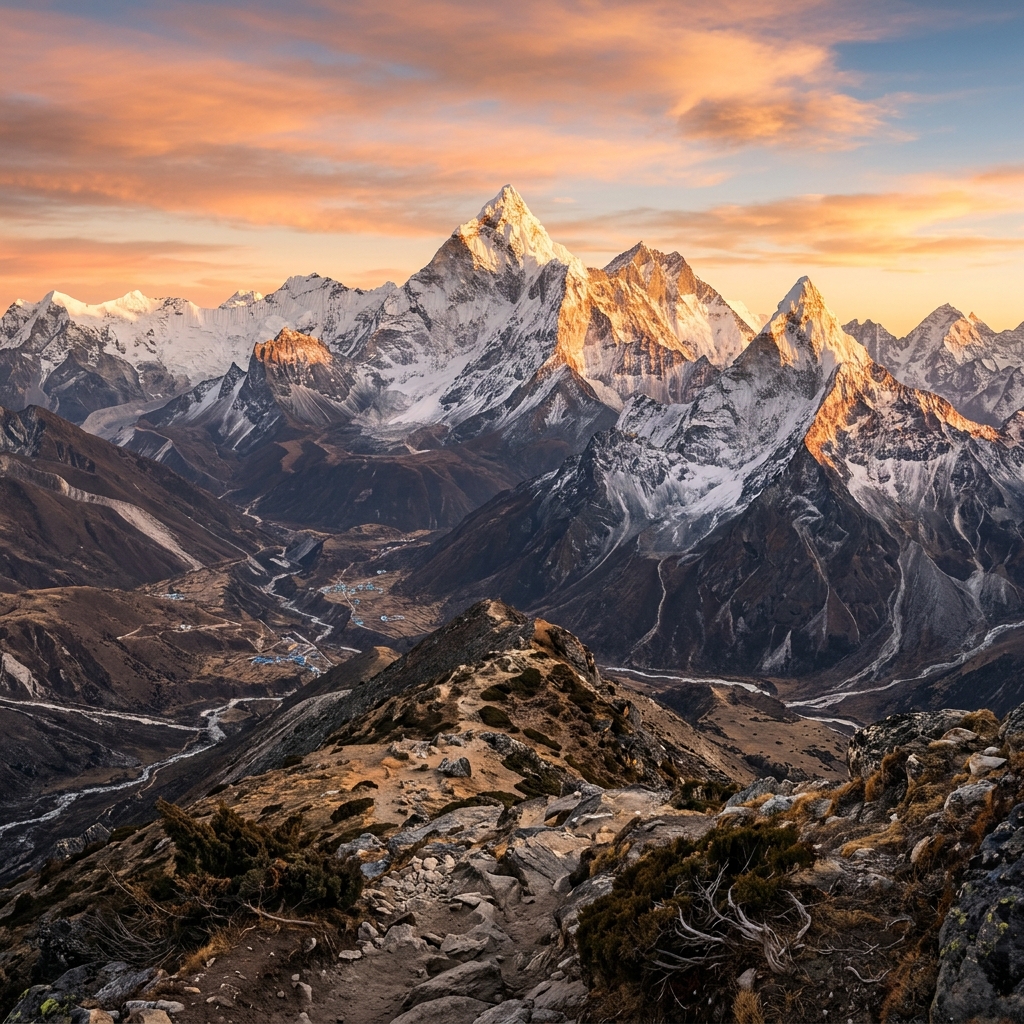
Expectation vs. Reality: 6 Things Every Trekker Must Know
How the actual day-to-day experience differs from popular social media perceptions:
1. The View of Mount Everest
2. Sleeping at Base Camp
3. Bedroom Heating & Comfort
4. Fitness vs. Altitude Physics
5. Wilderness Isolation
6. Base Camp Atmosphere
Kala Patthar (5,545m): The Sunset vs. Sunrise Dilemma
Kala Patthar ("Black Rock") is the highest point of the trek and the ultimate vantage point for viewing Mount Everest. When should you climb it?
🌅 The Sunset Ascent (3:30 PM – 6:00 PM)
Depart Gorak Shep in the afternoon as the sun sinks in the west. The late golden hour sunlight directly illuminates Everest’s massive South-West Face and the Nuptse wall, igniting the summits in blazing orange, amber, and crimson light without harsh solar backlighting. Temperatures are manageable (-5°C), and descent takes under 45 minutes with headlamps.
🌄 The Sunrise Ascent (4:30 AM – 7:30 AM)
A freezing pre-dawn climb starting in pitch darkness at -18°C. As the sun crests the ridge behind Everest and Nuptse, you are staring directly into intense, high-altitude solar backlighting (silhouette effect), making photography challenging. However, watching the first rays of dawn touch the roof of the world remains a deeply iconic experience.
2. 2026 Regulations, Permits & Mandatory Guide Directives
Trekking regulations in the Khumbu region have matured substantially for the 2026/2027 seasons. Under the autonomous constitutional governance of the Khumbu Pasang Lhamu Rural Municipality alongside the Department of National Parks and Wildlife Conservation (DNPWC), a modernized digital permit and safety framework has replaced outdated legacy systems. Understanding these mandatory legal directives ensures a frictionless journey through every mountain checkpoint:
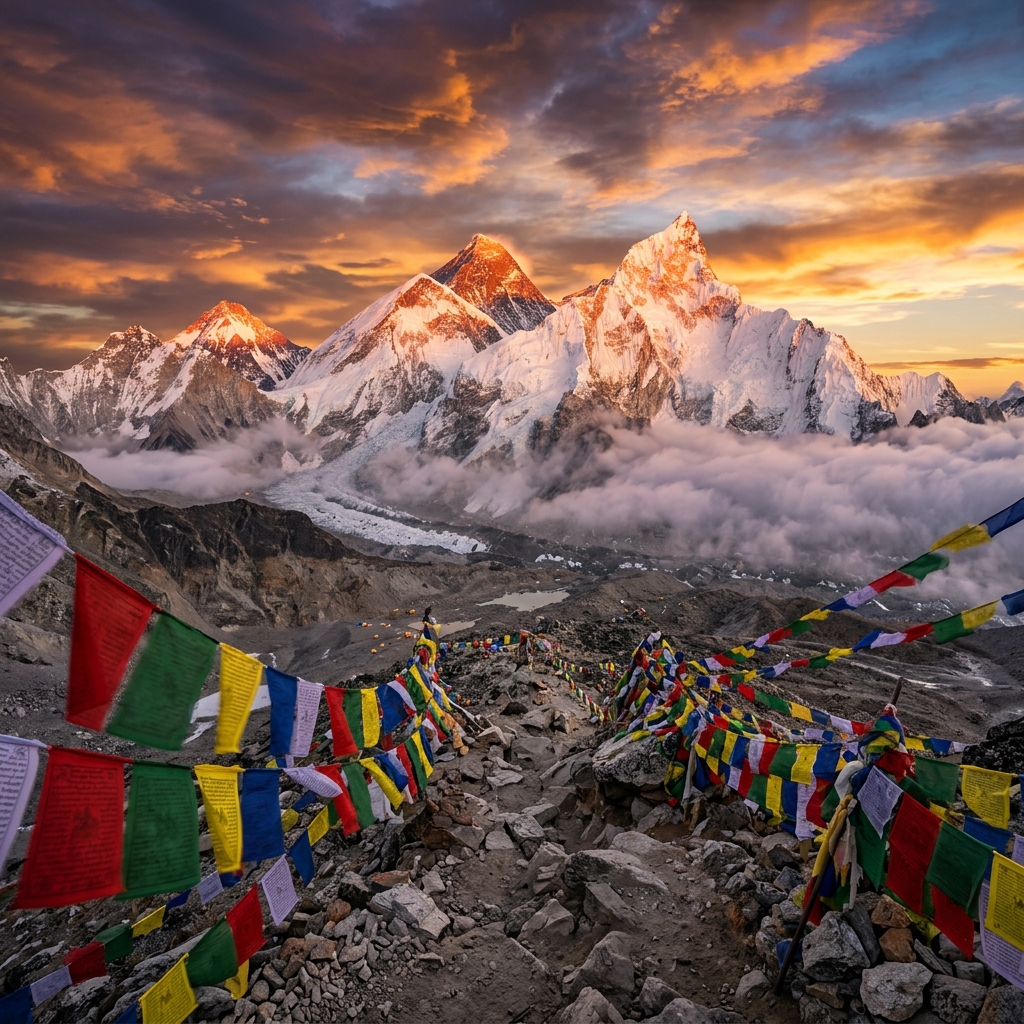
Mandatory Khumbu Permits & Checkpoint Tariffs
Every foreign trekker entering the Everest region requires two core legal permits (a third is required only for classic overland hikers):
| Permit Name | Issuing Authority | 2026 Official Fee (NPR / USD) | Status & Requirement | Where Acquired / Checked |
|---|---|---|---|---|
| Khumbu Pasang Lhamu Municipality Card | Local Autonomous Government | NPR 3,000 (~$23 USD) | 100% Mandatory | Lukla Airport Checkpoint or Monjo Entry Gate |
| Sagarmatha National Park Permit (SNP) | DNPWC (Govt of Nepal) | NPR 3,000 + 13% VAT (NPR 3,390 / ~$26 USD) | 100% Mandatory | Monjo Checkpoint or DNPWC Office, Kathmandu |
| Gauri Shankar Conservation Permit (GCAP) | NTB / NTNC | NPR 3,000 + 13% VAT (NPR 3,390 / ~$26 USD) | Conditional | Shivalaya Checkpoint (Only if trekking overland from Jiri) |
| TIMS Card (Trekkers' Info Mgmt System) | TAAN / Nepal Tourism Board | Not Applicable in Khumbu | Not Required | Replaced by Khumbu Rural Municipality Permit |
2026 Mandatory Guide Directives & Solo Trekking Restrictions
Nepal Tourism Board (NTB) & Khumbu Local DirectivesFollowing safety decrees by the Nepal Tourism Board and local Solukhumbu authorities, independent solo trekking without a licensed guide is strictly restricted across high-altitude Himalayan national parks. Checkpoints at Lukla, Monjo, and Namche Bazaar require foreign trekkers to be registered under a licensed government-certified trekking company.
Why the Directive Exists: High-altitude trails in the Khumbu involve rapidly changing weather, sub-zero glacial moraine crossings, and hypobaric hypoxia. Certified Sherpa guides provide daily SpO2 pulse oximetry monitoring, possess instant authorization for emergency search and rescue helicopter evacuations, and secure reserved teahouse rooms during peak crowding seasons when lodges at Gorak Shep and Lobuche are 100% booked out.
On all Best Treks Nepal packages, all permits, municipal fees, and certified UIAGM / NNMGA lead Sherpa guides are fully arranged and included in advance.
2026 Aviation Logistics: Kathmandu (KTM) vs. Ramechhap (Manthali)
To prevent severe air-traffic bottlenecks at Kathmandu’s single-runway international airport during peak trekking windows, the Civil Aviation Authority of Nepal (CAAN) redirects all scheduled fixed-wing STOL (Short Take-Off and Landing) flights to Manthali Airport in Ramechhap:
Applicable Dates: March 15 – May 25 & September 25 – November 30.
Twin-otter aircraft fly non-stop between Manthali (Ramechhap) and Lukla. Flight time is just 18 to 20 minutes, resulting in significantly fewer weather delays than flights out of Kathmandu.
Off-Peak Windows: Dec–Feb (Winter) & June–Aug (Summer).
Fixed-wing flights operate directly from Kathmandu (KTM). Additionally, shared & private helicopter charters (Airbus H125) operate directly from Kathmandu Airport domestic terminal year-round (45 mins).
Strict 2026 Trail Mandates & Protected Park Laws
Sagarmatha National Park is a UNESCO World Heritage Site with zero tolerance for environmental degradation or cultural violations:
Single-Use Plastic Bottle Ban
Disposable plastic mineral water bottles are legally banned across the entire Khumbu district to curb plastic pollution. Trekkers must carry reusable Nalgene or insulated aluminum bottles with personal filtration systems or purchase boiled water.
Drone & Aerial Filming Permits
Operating an unmanned aerial vehicle (drone) in Sagarmatha National Park without multi-tier government authorization (CAAN, Ministry of Home Affairs, DNPWC, and Local Municipality) is strictly illegal.
Mandatory Evacuation Insurance
Search and rescue helicopter operators and Nepal Civil Aviation require verified proof of travel insurance with explicit coverage for emergency medical evacuation up to 6,000 meters before launching rescue aircraft.
Sacred Buddhist Trail Etiquette
Animal slaughter is forbidden in the sacred Beyul Khumbu. Always pass all stone mani walls, stupas, and chortens on your left side (clockwise). Always ask permission before photographing monks or inside monastery shrines.
• Original Passport with at least 6 months validity from date of entry.
• 2 Physical Passport-Size Photos (for backup documentation).
• Printed Physical Copy of Emergency Travel Insurance with policy number and 24/7 international emergency hotline.
• Best Treks Nepal Trip Voucher with assigned licensed Sherpa guide registration details.
3. 14-Day Gold Standard Acclimatization Itinerary
Rushing to Everest Base Camp is the single leading cause of Acute Mountain Sickness (AMS), high-altitude pulmonary edema, and preventable helicopter evacuations. Commercial operators that cut corners with 10 or 11-day schedules suffer failure rates over 35% because they skip the mandatory second acclimatization rest day in Dingboche. Best Treks Nepal's 14-Day Gold Standard Itinerary achieves a 98.4% summit success rate by strictly enforcing the high-altitude law: "Climb high, sleep low, and never exceed 500 meters of net sleeping elevation gain per day above 3,000m."
Day 1
Fly to Lukla (2,846m) & Trek to Phakding (2,610m)
✈️ Mountain Flight
⏱️ 3.5 hrs · 8.0 km (5.0 mi) · -236m Net
Board a thrilling early morning twin-otter flight from Kathmandu / Ramechhap to the iconic Tenzing-Hillary Airport in Lukla. After landing on the dramatic 527-meter uphill runway, meet your expert Sherpa guide and porter crew at a local lodge. Begin trekking along the cascading Dudh Koshi River, passing ancient Buddhist stone mani walls, prayer wheels, and lush pine groves. Descending 236 vertical meters to Phakding provides gentle physical conditioning and assists initial oxygen stabilization.
Day 2
Trek Phakding to Namche Bazaar (3,440m)
🌉 Hillary Bridge
⏱️ 6.0 hrs · 11.0 km (6.8 mi) · +830m Gain
Follow the Dudh Koshi riverbank, crossing multiple high steel suspension bridges adorned with colorful prayer flags. Enter Sagarmatha National Park at the Monjo checkpoint where permits are officially registered. After a hearty lunch in Jorsalle, cross the breathtaking Hillary Suspension Bridge hanging 120m over the gorge. From here, tackle the famous 2.5-hour uphill "Namche Hill" through aromatic pine forests. Halfway up at the Top Danda viewpoint, catch your first glimpse of Mount Everest peeking over Nuptse before arriving at the horseshoe-shaped amphitheater of Namche Bazaar.
Day 3
Acclimatization Day 1: Hike to Hotel Everest View (3,880m) & Khumjung
⭐ Mandatory Rest Stop
⏱️ 4.5 hrs · 6.0 km (3.7 mi) · +440m / -440m
An essential active acclimatization day following the golden rule: "Climb High, Sleep Low." Hike up the ridge above Namche to the world-famous Hotel Everest View (3,880m) for hot tea on the outdoor terrace overlooking Mount Everest, Lhotse, Ama Dablam, and Thamserku. Continue across the Syangboche airstrip to Khumjung village (3,790m) to visit the Hillary School and Khumjung Monastery to view the preserved Yeti Scalp relic. Return to Namche Bazaar for an afternoon of relaxing in European bakeries, exploring gear shops, and visiting the Sherpa Culture Museum.
Day 4
Trek Namche Bazaar to Tengboche Monastery (3,867m)
☸️ Spiritual Capital
⏱️ 5.5 hrs · 9.5 km (5.9 mi) · +427m Net
Trek along a spectacular panoramic balcony trail high above the Dudh Koshi valley with uninhibited views of Ama Dablam, Everest, and Nuptse. Pass Sanasa and descend steeply through rhododendron woods to the riverside hamlet of Phunki Thenga (3,250m) for lunch and water refill. Cross the suspension bridge and tackle the 2-hour afternoon switchback climb through moss-draped alpine forests to Tengboche. Visit the sacred Tengboche Monastery, the largest Buddhist gompa in the Khumbu, and attend the monks' afternoon chanting ceremony at 3:00 PM.
Day 5
Trek Tengboche to Dingboche (4,410m)
🌾 Treeline Exit
⏱️ 5.5 hrs · 10.5 km (6.5 mi) · +543m Gain
Descend gently through birch and juniper woods to Deboche, crossing the Imja Khola river on a wooden suspension bridge. Pass the traditional stone village of Pangboche (3,930m), home to the oldest monastery in the region, with jaw-dropping close-up views of Ama Dablam's sheer north face. Climb above the 4,000m tree line into the stark alpine tundra. Enter the wide, wind-swept Imja Valley and arrive at the picturesque stone-walled farming village of Dingboche, nestled beneath the colossal south face of Lhotse (8,516m).
Day 6
Acclimatization Day 2: Hike to Nagarjun Peak (5,050m)
⭐ Critical 5,000m Milestone
⏱️ 5.0 hrs · 5.0 km (3.1 mi) · +640m / -640m
The decisive second acclimatization milestone of the expedition. Ascend the steep, rocky ridge of Nagarjun Peak (Nangkartshang Hill) directly above Dingboche to surpass the 5,000-meter altitude barrier for the first time. The summit viewpoint rewards you with an astonishing 360-degree panorama of Makalu (8,485m — the world's 5th highest mountain), Lhotse, Island Peak, Cho Oyu, Ama Dablam, and the Chhukung glacier. Spend 45 minutes at the summit adjusting to low pressure before descending back to Dingboche for an afternoon of rest, hot garlic soup, and hydration.
Day 7
Trek Dingboche to Lobuche (4,940m) via Thokla Pass Memorials
🕯️ Climbers' Memorial
⏱️ 5.0 hrs · 8.0 km (5.0 mi) · +530m Gain
Trek across the high alpine flats of Dughla (4,620m) where you pause for warm lemon tea. Begin the steep, 1-hour ascent of the Thokla Pass (4,830m). At the crest of the pass stands the deeply moving Everest Memorial Ground, covered with stone chortens and prayer flags honoring fallen Himalayan climbers and Sherpa heroes, including Scott Fischer and Babu Chiri Sherpa. Continue along the lateral moraine of the massive Khumbu Glacier beneath the imposing peaks of Nuptse and Pumori to arrive at the high-altitude settlement of Lobuche (4,940m).
Day 8
Trek to Gorak Shep (5,164m) & Reach Everest Base Camp (5,364m)
🏁 Pinnacle Milestone
⏱️ 8.0 hrs · 13.0 km (8.1 mi) · +424m Net
The defining day of the expedition. Depart early across the rough, undulating moraine rubble of the Khumbu Glacier to reach Gorak Shep (5,164m), the world's highest permanent teahouse settlement. Check into your lodge, drop heavy packs, eat a high-energy carbohydrate lunch, and carry only warm layers and water for the push to Everest Base Camp (5,364m). Trek through surreal glacial ice towers, seracs, and frozen meltwater pools. Reach the iconic painted Base Camp milestone boulder directly beneath the thundering Khumbu Icefall. Celebrate your achievement, capture milestone photos, and soak in the awe-inspiring amphitheater of Everest, Nuptse, and the Khumbutse peaks before returning to Gorak Shep for the night.
Day 9
Sunrise Summit of Kala Patthar (5,545m) & Descend to Pheriche (4,280m)
🌄 Highest Elevation Point
⏱️ 7.0 hrs · 15.0 km (9.3 mi) · +381m / -1,265m
Begin your 4:30 AM pre-dawn headlamp climb up the steep switchbacks of Kala Patthar ("Black Rock" · 5,545m), the highest elevation point of the entire trek. As the sun rises behind the Himalayas, witness the majestic golden glow lighting up the south face of Mount Everest (8,848.86m), Nuptse, Lhotse, and the entire sweeping expanse of the Khumbu Icefall. Descend to Gorak Shep for a warm breakfast, pack your gear, and begin the exhilarating descent down through Lobuche and Dughla to the wide, oxygen-rich valley of Pheriche (4,280m).
Day 10
Trek Pheriche to Namche Bazaar (3,440m)
🌲 Re-entering Pine Forests
⏱️ 6.5 hrs · 14.5 km (9.0 mi) · -840m Loss
Follow the Imja river down past Somare and the ancient monastery of Pangboche. Climb briefly up to Tengboche Monastery to take in one last panoramic view of Ama Dablam before descending through lush rhododendron forests to the suspension bridge at Phunki Thenga. Climb the balcony trail past Sanasa and contour into Namche Bazaar. Celebrate your return to civilization with long hot gas showers, freshly baked pastries, Wi-Fi, and barista coffee.
Day 11
Trek Namche Bazaar to Lukla (2,846m)
🎉 Final Trekking Day
⏱️ 7.0 hrs · 19.0 km (11.8 mi) · -594m Loss
Descend the famous Namche hill through pine woods, cross the Hillary Suspension Bridge, and exit Sagarmatha National Park at Monjo. Continue trekking along the Dudh Koshi riverbank through Phakding and Ghat, admiring prayer flags and traditional Sherpa farming hamlets. A final gentle uphill climb brings you back to Lukla. In the evening, host a celebratory farewell dinner with your Sherpa guides and porter team, presenting tips in traditional envelopes and celebrating a successful expedition.
Day 12
Morning Flight from Lukla to Kathmandu / Ramechhap
✈️ Return Mountain Flight
⏱️ 35 min flight · Hotel Check-in · 1,400m Alt
Board your early morning flight out of Lukla, soaking in your final aerial views of the snow-capped Himalayan ranges. Upon arrival in Kathmandu (or Ramechhap with private vehicle transfer to Kathmandu), our team transfers you to your hotel in Thamel. Enjoy a restful afternoon with a hot bath, professional ayurvedic trekking massage, and leisurely shopping for pashmina shawls and tea.
Day 13
Kathmandu Buffer & Cultural Sightseeing Day
🛡️ Weather Contingency Buffer
⏱️ Leisure Day · Kathmandu · UNESCO Sites
A vital built-in buffer day to protect against unpredictable mountain weather flight delays in Lukla. Spend this day exploring Kathmandu's iconic UNESCO World Heritage Sites, including the magnificent Boudhanath Stupa, the sacred Hindu temple of Pashupatinath, and the ancient hilltop shrine of Swayambhunath (Monkey Temple). In the evening, join Best Treks Nepal for a celebratory Nepalese cultural farewell dinner.
Day 14
Final International Departure from Kathmandu
🛫 Homeward Bound
⏱️ Airport Transfer · Tribhuvan Airport (KTM)
Enjoy a relaxed breakfast at your hotel. Our representative provides private transportation to Tribhuvan International Airport (KTM) approximately 3 hours prior to your scheduled international flight departure, ensuring a smooth and stress-free journey home.
14-Day Trekking Metrics At-A-Glance
Quick reference breakdown of daily distances, walking times, elevations, and net gains/losses:
| Day | Route Stage | Distance | Walking Time | Sleeping Altitude | Net Elevation Change | Key Stage Highlight |
|---|---|---|---|---|---|---|
| Day 1 | Lukla to Phakding | 8.0 km (5.0 mi) | 3.5 hrs | 2,610m / 8,563ft | -236m | Tenzing-Hillary Airport Flight |
| Day 2 | Phakding to Namche Bazaar | 11.0 km (6.8 mi) | 6.0 hrs | 3,440m / 11,286ft | +830m | Hillary Bridge & First Everest View |
| Day 3 | Namche Acclimatization Hike | 6.0 km (3.7 mi) | 4.5 hrs | 3,440m / 11,286ft | +440m / -440m | Hotel Everest View & Khumjung |
| Day 4 | Namche to Tengboche | 9.5 km (5.9 mi) | 5.5 hrs | 3,867m / 12,687ft | +427m | Tengboche Monastery Chanting |
| Day 5 | Tengboche to Dingboche | 10.5 km (6.5 mi) | 5.5 hrs | 4,410m / 14,468ft | +543m | Treeline Exit & Ama Dablam North |
| Day 6 | Dingboche Acclimatization Hike | 5.0 km (3.1 mi) | 5.0 hrs | 4,410m / 14,468ft | +640m / -640m | Nagarjun Peak (5,050m) & Makalu |
| Day 7 | Dingboche to Lobuche | 8.0 km (5.0 mi) | 5.0 hrs | 4,940m / 16,207ft | +530m | Thokla Pass Climbers' Memorials |
| Day 8 | Lobuche to Gorak Shep & EBC | 13.0 km (8.1 mi) | 8.0 hrs | 5,164m / 16,942ft | +424m net | 🏁 Everest Base Camp Rock (5,364m) |
| Day 9 | Kala Patthar & Descend Pheriche | 15.0 km (9.3 mi) | 7.0 hrs | 4,280m / 14,042ft | -1,265m net | 🌄 Sunrise Summit (5,545m) |
| Day 10 | Pheriche to Namche Bazaar | 14.5 km (9.0 mi) | 6.5 hrs | 3,440m / 11,286ft | -840m | Pine Forests & Namche Bakeries |
| Day 11 | Namche Bazaar to Lukla | 19.0 km (11.8 mi) | 7.0 hrs | 2,846m / 9,337ft | -594m | Final Suspension Bridges & Party |
| Day 12 | Fly Lukla to Kathmandu | Flight (35 min) | — | 1,400m / 4,593ft | -1,446m | Scenic Flight & Hotel Check-in |
| Day 13 | Kathmandu Buffer Day | Sightseeing | — | 1,400m / 4,593ft | — | UNESCO Temples & Farewell Dinner |
| Day 14 | Kathmandu Departure | Transfer | — | 1,400m / 4,593ft | — | International Flight Homeward |
4. Real Breakdown of 2026 Costs (Teahouses, Food & Hidden Fees)
Budgeting for the Everest Base Camp Trek requires understanding the fundamental law of "Altitude Price Escalation." There are zero motorable roads in the Solukhumbu district above Lukla; every grain of basmati rice, gas canister, bottle of beer, and solar inverter is transported on human backs, mules, and yaks over 60 to 130 km of mountainous trails. Consequently, while a plate of Dal Bhat costs $5.00 in Phakding (2,610m), porter haulage pushes that exact same hot meal to $11.50 at Gorak Shep (5,164m).
| Expense Component | Budget Independent Self-Organized |
Best Treks Standard ★ Most Popular · Best Value |
Luxury VIP Expedition Heli-Return & 4★ Lodges |
|---|---|---|---|
| Base Trip Cost | $1,050 – $1,250 USD | $1,350 USD 100% All-Inclusive |
$2,850 – $3,900 USD |
| Roundtrip Lukla Flights | $440 USD (Foreigner tariff) | Included ($440 value) | Fixed-wing Up / Helicopter Return |
| Teahouse Accommodations | $10 – $25 / night (Pay-as-you-go) | Included (Best reserved teahouses) | Yeti Mountain Homes & Luxury Lodges |
| Full Board Meals (3x Daily) | $35 – $55 / day (~$580 total) | Included (Breakfast, Lunch, Dinner) | A la carte gourmet dining included |
| Hot Drinks (Tea / Coffee) | $10 – $18 / day extra | Included (3 hot drinks daily) | Unlimited tea, coffee & hot drinks |
| Sherpa Guide & Porter Support | Guide $35/day + Porter $25/day | Licensed UIAGM/NNMGA Guide + Porter | Private Senior Guide + 1:1 Porter |
| Permits (Sagarmatha + Khumbu) | $45 USD (Pay at checkpoints) | Included (Pre-arranged & verified) | Included (VIP fast-track) |
| Medical Safety & Oxygen | Self-managed medical kit | Pulse Oximeter & Medical Oxygen Protocol | Oximeter + Hyperbaric Bag + Private Heli SOS |
How Daily Prices Escalate with Elevation (2026 Averages)
Because all supplies must be flown into Lukla and manually portered up narrow mountain paths, prices rise predictably across the 4 major elevation zones:
| Elevation Zone & Trail Hubs | Plate of Dal Bhat (Unlimited) | 1L Boiled Hot Water | Medium Pot of Ginger Tea | Hot Gas / Bucket Shower | Full Power Bank Charge |
|---|---|---|---|---|---|
|
Zone 1 · 2,600m – 2,850m Lukla / Phakding |
$5.00 (NPR 700) | $1.50 (NPR 200) | $4.50 (NPR 600) | $4.00 (NPR 550) | $3.00 (NPR 400) |
|
Zone 2 · 3,440m – 3,860m Namche / Tengboche |
$7.00 (NPR 950) | $2.50 (NPR 350) | $7.00 (NPR 950) | $5.50 (NPR 750) | $5.00 (NPR 700) |
|
Zone 3 · 4,200m – 4,410m Dingboche / Pheriche |
$9.00 (NPR 1,200) | $3.50 (NPR 480) | $9.00 (NPR 1,200) | $7.50 (NPR 1,000) | $7.00 (NPR 950) |
|
Zone 4 · 4,940m – 5,180m Lobuche / Gorak Shep |
$11.50 (NPR 1,550) | $4.50 (NPR 600) | $12.00 (NPR 1,600) | $9.50 / Frozen | $9.00 (NPR 1,200) |
6 Hidden Daily Trail Extras to Budget For (2026 Rates)
Even on guided packages, certain personal items are paid directly to local lodge operators in cash:
Device Charging
Teahouses generate power through solar arrays that struggle under freezing temperatures and afternoon clouds. Wall outlets are located exclusively in the communal dining hall and are charged per hour or per full battery.
Hot Gas Showers
Hot water is heated using propane gas canisters portered up from lower valleys. Showers are available in private unheated cubicles up to Dingboche (water pipes are often frozen solid at Lobuche and Gorak Shep).
Boiled Water & Purification
Single-use plastic mineral water bottles are strictly prohibited in the Khumbu to protect the environment. Teahouses sell boiled safe drinking water per liter, which adds up to $15–$22 daily if relying on boiled water alone.
Wi-Fi (Everest Link)
Most lodges utilize the "Everest Link" wireless network. Instead of paying lodges $5–$8 daily for sluggish local logins, buy a prepaid 10GB / 20GB Everest Link scratch card in Namche Bazaar, which works seamlessly at nearly all lodges up to Base Camp.
Bakeries, Snacks & Treats
Namche Bazaar is legendary for its European bakeries (German Bakery, Hermann Helmers) offering fresh warm apple strudel ($5.00), chocolate cake, and barista espresso. Above Dingboche, candy bars like Snickers cost $4.50 each.
Guide & Porter Tipping
Tipping is a deeply entrenched tradition and an essential component of local mountain livelihoods. Tips are traditionally handed over in clean cash envelopes on the final celebratory evening in Lukla.
• Lead Sherpa Guide: $150 – $200 USD total per trekking group
• Dedicated Porter: $80 – $120 USD per trekker
Interactive 2026 Everest Base Camp Budget Calculator
Estimate your complete personalized out-of-pocket expedition budget. Select your preferred travel tier and toggle personal extras to calculate your total cost and recommended cash withdrawal:
Sherpa Golden Protocol: Withdraw your entire trekking spending money in Kathmandu (Thamel) before boarding your flight. Request banknotes in NPR 500 and NPR 1,000 denominations, as smaller mountain lodges cannot provide change for large bundles of foreign currencies.
5. Physical Difficulty, Training & Altitude Physiology
The Everest Base Camp Trek requires zero technical climbing skills, ropes, or mountaineering hardware. It is entirely a non-technical wilderness trek conducted on stone staircases, packed dirt trails, and glacial moraine rubble. However, rating it as "easy" is a dangerous misconception: the true challenge of EBC lies in hypobaric hypoxia (extreme atmospheric oxygen depletion), 130 km of relentless rocky terrain, and cumulative multi-day physical fatigue where your body operates on half its sea-level oxygen intake.
1. Trail Terrain & Biomechanics
You will navigate steep hand-carved stone staircases, swaying steel suspension bridges over 100m gorges, loose shale switchbacks, and the uneven shifting boulders of the Khumbu Glacier lateral moraine. Strong ankles and eccentric knee strength are vital for downhill braking.
2. Sustained Endurance & Volume
Trekkers walk 5 to 7 hours daily across 12 to 14 consecutive days carrying a 5–8 kg daypack. With a total cumulative ascent and descent exceeding 7,000 vertical meters, daily aerobic stamina and mental grit are far more critical than short-burst power.
3. Hypobaric Hypoxia (Oxygen Loss)
Barometric pressure drops from 1013 hPa at sea level to ~520 hPa at Base Camp. Because air molecules are spread thinner, every breath delivers 50% fewer oxygen molecules to your bloodstream. Your functional VO2 max drops by roughly 10% for every 1,000m above 1,500m.
4. Extreme Environmental Stress
Unheated teahouse bedrooms plunge to -10°C to -20°C at Gorak Shep, placing heavy metabolic demands on thermal recovery. Furthermore, the bone-dry mountain air leaches moisture from your lungs, requiring 4 to 5 liters of daily fluid replacement to prevent thick blood and sluggish circulation.
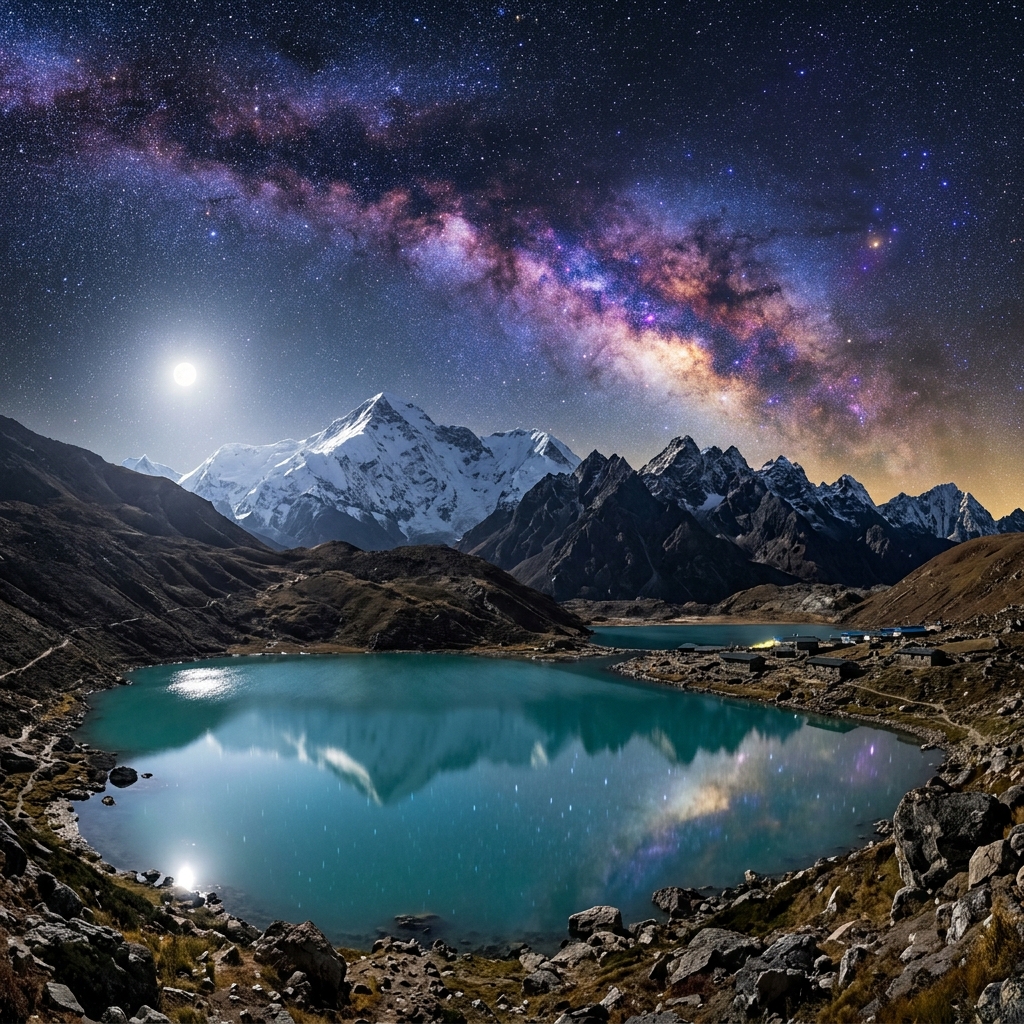
EBC Elevation, Barometric Pressure & Oxygen Depletion Curve
Scientific elevation benchmarks from Kathmandu to Kala Patthar showing atmospheric pressure drop, effective oxygen percentages, and expected resting blood SpO2 levels.
| Trail Station | Elevation (m / ft) | Pressure (hPa) | Effective Oxygen (%) | Typical Blood SpO2 | Physiological Impact & Sherpa Guideline |
|---|---|---|---|---|---|
| Kathmandu | 1,400m / 4,593ft | 860 hPa | 86% | 97% – 99% | Normal sea-level physiology. Full aerobic capacity. |
| Lukla Airport | 2,846m / 9,337ft | 720 hPa | 72% | 92% – 95% | Trek kickoff. Hyperventilation on short inclines begins. |
| Namche Bazaar | 3,440m / 11,286ft | 675 hPa | 68% | 88% – 92% | High-altitude threshold. Mandatory 2-night acclimatization stay. |
| Tengboche Monastery | 3,860m / 12,664ft | 640 hPa | 64% | 85% – 89% | Tree line boundary. Resting pulse increases by 15–25 bpm. |
| Dingboche Valley | 4,410m / 14,468ft | 595 hPa | 59% | 80% – 86% | Mandatory 2nd acclimatization stop. Sleep disruption common. |
| Lobuche High Camp | 4,940m / 16,207ft | 555 hPa | 54% | 76% – 82% | Glacial moraine terrain. Extreme high-altitude hypoxic zone. |
| Everest Base Camp | 5,364m / 17,598ft | 525 hPa | 50% | 72% – 78% | Half sea-level oxygen. Slow, rhythmic Sherpa pacing required. |
| Kala Patthar Summit | 5,545m / 18,192ft | 510 hPa | 48% | 70% – 76% | Peak summit viewpoint. Maximum aerobic strain on sunrise climb. |
Recognizing Altitude Illness: AMS, HAPE & HACE
Over 60% of trekkers experience mild symptoms of altitude acclimatization above Namche Bazaar. Distinguishing between harmless mild adaptation and life-threatening medical emergencies is essential for every member of the expedition:
Acute Mountain Sickness (AMS)
- Dull, throbbing frontal headache (often worse in morning)
- Loss of appetite, mild nausea, light dizziness
- Unusual fatigue or weakness during mild walking
- Interrupted sleep with periodic breathing spasms
High Altitude Pulmonary Edema (HAPE)
- Extreme shortness of breath even while resting in bed
- Persistent, rattling/gurgling wet cough
- Pink frothy sputum or chest tightness
- Cyanosis (blue or gray discoloration of lips and fingernails)
High Altitude Cerebral Edema (HACE)
- Ataxia: Inability to walk heel-to-toe in a straight line
- Severe confusion, irrational behavior, slurred speech
- Hallucinations, extreme lethargy, spatial disorientation
- Progressive loss of consciousness and coma
Interactive Lake Louise AMS Self-Assessment Scorecard
The international clinical gold standard for diagnosing Acute Mountain Sickness (AMS). Select your current symptoms below to calculate your real-time diagnostic score and recommended Sherpa action:
Your body is acclimatizing normally. Maintain an easy conversational pace ("Bistarai"), drink 4 to 5 liters of water daily, and eat high-carbohydrate meals like Dal Bhat.
The 12-Week Progressive Himalayan Training Blueprint
You cannot train your lungs at sea level to magically extract oxygen from thin mountain air. However, building a rock-solid Zone 2 cardiovascular aerobic base and eccentric leg stability dramatically lowers your working heart rate, conserves cellular energy, and prevents early muscular fatigue:
Phase 1: Mitochondrial Base & Joint Priming
Establish an efficient low-heart-rate aerobic engine and condition ankle/knee connective tissues for repetitive elevation changes.
- Zone 2 Cardio (3x/week, 40–50 mins): Brisk incline treadmill walking, rowing, or easy cycling at a conversational heart rate (120–135 bpm).
- Eccentric Leg Strength (2x/week): Goblet squats, Romanian deadlifts, Bulgarian split squats (3 sets x 12 reps).
- Core & Ankle Stability: Planks, single-leg balance stands, and calf raises on stairs.
- Weekend Hike: 2 to 3 hour trail walk with no weighted pack.
Phase 2: Muscular Endurance & Loaded Stair Climbing
Introduce progressive backpack loading and high-volume vertical climbing to simulate Himalayan stone staircases.
- Stairmaster / Stadium Stairs (2x/week, 45 mins): Slow, deliberate climbing wearing a 4 kg to 6 kg backpack.
- Incline Ruck Marching (2x/week, 50 mins): Treadmill set at 8%–12% incline at 4.5 km/h.
- Downhill Knee Conditioning: Step-downs off a 30cm plyo box to strengthen the vastus medialis quad muscle.
- Weekend Hike: 4 to 5 hour trail hike with 6 kg pack wearing your actual trekking boots.
Phase 3: Peak Himalayan Conditioning & Back-to-Back Volume
Simulate the real trail reality of waking up and hiking for 6 hours with tired, loaded leg muscles.
- Back-to-Back Weekend Treks: Saturday (5–6 hrs, 12–16 km, 8 kg pack) followed immediately by Sunday (4–5 hrs, 10–12 km, 8 kg pack).
- High-Volume Stair Climbing (2x/week, 60 mins): 1,000+ stairs with 8 kg daypack. Focus on diaphragmatic nasal breathing.
- Full Expedition Gear Check: Train wearing your exact hiking socks, trail pants, and hydration bladder.
- Mobility & Foam Rolling: 15 mins daily focusing on IT bands, hip flexors, and hamstrings.
Phase 4: Taper, Hydration Priming & Travel Rest
Reduce volume by 60% to allow muscle glycogen stores, joints, and nervous system to fully recover prior to your flight to Kathmandu.
- Easy Aerobic Maintenance (2x/week, 25 mins): Light flat walking or easy swimming to keep blood moving.
- Daily Joint Mobility & Yoga: Gentle hip and spine stretching. Zero heavy lifting or exhaustive sprints.
- Sleep & Hydration Loading: 8+ hours of sleep nightly and 3L daily water with electrolytes.
- Final Gear & Boot Verification: Ensure boots are thoroughly broken in with zero pressure points or heel slippage.
Diamox (Acetazolamide), Hydration & Oximetry Protocols
Understanding evidence-based medication protocols and objective physiological monitoring prevents preventable evacuation emergencies:
How it works: Diamox is a carbonic anhydrase inhibitor that forces your kidneys to excrete bicarbonate. This safely acidifies your blood, chemically signaling your brain to breathe faster and deeper (hyperventilate)—especially while sleeping when respiration naturally slows down.
When to start: Begin 24 hours prior to reaching 3,000m (in Phakding or Namche Bazaar) under medical consultation. Continue until you descend back to Namche Bazaar.
Harmless Side Effects: Tingling sensation in fingertips/toes (paresthesia), frequent urination, and making carbonated beverages (sodas/beer) taste flat.
The Measurement Rule: Every licensed Best Treks Nepal guide carries a medical-grade fingertip pulse oximeter. Readings are taken after resting seated for 10 minutes in the warm dining hall (cold fingers give false low readings—warm hands first!).
SpO2 Benchmarks:
• 88% – 95%: Excellent adaptation (Namche to Tengboche).
• 78% – 86%: Normal expected high-altitude range (Dingboche to EBC).
• < 70% accompanied by symptoms: Warning zone. Guide initiates supplementary medical checks and halts ascent.
At high altitude, you lose immense volumes of moisture purely through respiratory evaporation from hyperventilating dry mountain air. Furthermore, Diamox acts as a mild diuretic.
Daily Target: Drink 4 to 5 liters of purified water, electrolyte hydration mix, ginger lemon honey tea, and garlic soup.
The Urine Color Metric: Check your urine stream several times daily. It should remain pale straw-yellow or clear. Dark amber urine indicates acute dehydration and dramatically spikes your risk of altitude illness.
Medications like Diamox, Ibuprofen, or Dexamethasone only relieve symptoms or buy time during rescue operations. They do not cure severe mountain sickness.
The Golden Medical Law: If symptoms of altitude illness worsen or fail to resolve with 24 hours of rest, immediate descent of 300m to 800m provides instant barometric relief and is the only definitive cure.
Never attempt to "power through" severe altitude sickness. Descending safely ensures you live to trek another day.
The 5 Sherpa Golden Rules of Himalayan Acclimatization
Passed down through generations of high-altitude Himalayan expedition leaders — follow these rules unconditionally:
-
1
"Bistarai, Bistarai" (Slowly, Slowly): Walk at a pace where you can easily hold a full conversation without gasping for breath. The trekkers who rush ahead on Day 2 are the first to get evacuated on Day 6.
-
2
"Climb High, Sleep Low": On acclimatization days in Namche Bazaar and Dingboche, hike up 300m–400m in the afternoon (e.g., Hotel Everest View or Nangkartshang Peak) to stimulate red blood cell production, then descend back down to sleep.
-
3
Max 500m Sleeping Gain Above 3,000m: Never increase your sleeping altitude by more than 300 to 500 vertical meters per 24-hour cycle once above Namche Bazaar (3,440m).
-
4
Never Ascend With Active Symptoms: Any headache, nausea, or dizziness above 3,000m is altitude sickness until proven otherwise. Never climb higher if you feel unwell.
-
5
Zero Alcohol & Sleeping Pills: Alcohol accelerates dehydration and depresses breathing. Sleeping pills (benzodiazepines) suppress respiratory drive during sleep, causing dangerous nighttime oxygen drops.
6. "What No One Tells You" — 10 Uncensored Trail Realities
Guidebooks showcase golden sunrises on Ama Dablam, but Himalayan trail veterans know that summit success is decided in the unheated dining halls, icy moraine traverses, and high-altitude teahouse routines. Here are the 10 unfiltered field truths that every Sherpa guide prepares their private trekking teams for:
😷 The "Khumbu Cough" is Inevitable Without a Buff
The bone-dry, sub-zero air combined with heavy breathing at 4,000m+ rapidly dehydrates your bronchial tract, triggering an agonizing, persistent dry spasm cough known as the "Khumbu Cough." In severe cases, it can crack ribs.
🥩 Never Eat Meat Above Namche Bazaar
Due to sacred Sherpa Buddhist tradition, animal slaughter is strictly forbidden throughout the Khumbu region. All chicken, yak, and pork meat is carried on open porter baskets for days up from lower altitudes with zero refrigeration.
🥶 Teahouse Bedrooms Have Zero Insulation or Heating
Only the central communal dining hall is heated by a yak-dung stove between 5:00 PM and 8:30 PM. Plywood guest rooms have zero heating or double-glazing, and indoor room temperatures plunge to -10°C to -18°C at Gorak Shep.
🔋 Lithium Batteries Die Within 15 Minutes at 5,000m
Sub-zero temperatures dramatically slow internal chemical reactions in lithium-ion batteries. A smartphone or camera showing 80% charge can instantly drop to 0% and shut down after taking three photos in the freezing wind on Kala Patthar.
🐂 Yaks & Zopkyos Have Absolute Right of Way
Yak trains carry 60kg+ wide loads strapped to their flanks on narrow cliff trails. When startled or descending steep sections, they cannot stop quickly and can easily knock a trekker off the ledge into deep river canyons.
🧻 Wet Wipes are Your Gold Standard Shower
Taking a wet shower above Namche Bazaar (3,440m) in unheated lodge shower stalls is the fastest way to catch a severe bronchial chill or pneumonia. Water pipes are frequently frozen solid above Dingboche anyway.
🍲 "Dal Bhat Power, 24 Hour!" (Free Refills Formula)
You will burn between 3,500 and 5,000 calories per day ascending the high Himalayas. Western menu items like pizza or burgers are small, low-protein, and expensive. Dal Bhat is the national trekking powerhouse.
🥾 The 4-Day Descent Causes More Injuries Than Ascent
Trekkers focus all their mental energy on reaching Everest Base Camp, but descending 2,800 vertical meters over 4 days places massive eccentric shock loads on tired quadriceps, patellar tendons, and knees on rocky moraine steps.
🚽 Teahouses Never Supply Toilet Paper in Communal WCs
Communal teahouse bathrooms (often traditional Asian squat toilets or basic sit-down bowls above 3,500m) have frozen water buckets and zero supplied toilet paper. Paper must NEVER be flushed into the plumbing—it must go in the waste bin.
🚁 Your Helicopter Insurance Must Cover Up to 6,000m
Standard travel insurance policies cap medical evacuation at 3,000m (9,840 ft) or exclude high-altitude mountaineering. An emergency helicopter evacuation from Gorak Shep (5,164m) costs $3,500 to $5,000 USD out of pocket without valid coverage.
The 3 Non-Negotiable Sherpa Trail Rules
Always Hug the Mountain Wall
When livestock or porter caravans approach, step to the cliff side immediately. Never stand on the valley edge.
Boiled Nalgene Bed Warmers
Fill two 1L Nalgene bottles with boiling water after dinner. Put in thick socks and slide into your sleeping bag footbox.
Order Breakfast Before Sleeping
Always write down your breakfast order with your guide at 8:00 PM to ensure on-time 7:00 AM trail departures without lodge kitchen delays.
7. Best Seasons & 12-Month Climate Windows
Trekking to Everest Base Camp is dictated by two distinct meteorological forces: the Indian Ocean Summer Monsoon (June–August) and the Himalayan Winter Siberian Polar Front (December–February). Between these extremes lie the two world-renowned peak trekking windows—Autumn (crystal visibility) and Spring (wildflower blooms & active climbing expeditions).
🍂 Autumn (Post-Monsoon)
September, October & NovemberThe monsoon washes every speck of dust from the Himalayan atmosphere, leaving behind crisp, deep-blue skies and unmatched panoramic clarity of Ama Dablam, Lhotse, and Everest.
- Pros: Greatest mountain visibility of the year; dry, firm trails; vibrant Mani Rimdu festival at Tengboche (Oct/Nov).
- Cons: Highest trail crowds; teahouse rooms must be booked well in advance; Lukla flights sell out months ahead.
🌸 Spring (Pre-Monsoon)
March, April & MayTemperatures steadily warm up and daylight hours lengthen. The lower Dudh Koshi gorges explode with vibrant crimson, pink, and white rhododendron blossoms.
- Pros: Warmest daytime hiking temperatures; Base Camp is alive with Everest mountaineers; blooming flora.
- Cons: Pre-monsoon afternoon thermal haze can obscure late afternoon summit views; dusty trails in May.
❄️ Winter (Cold Season)
December, January & FebruaryBrilliant optical clarity with pristine snow-dusted peaks. If you can handle sub-zero nights, winter offers unmatched tranquility and private teahouses.
- Pros: Zero trail crowds; peaceful lodges; crystal-clear morning light; cheapest lodge rates.
- Cons: Extreme nighttime cold (-20°C indoors); short daylight hours; some high-altitude lodges close above Dingboche.
🌧️ Monsoon (Summer Season)
June, July & AugustHeavy moisture surges up from the Bay of Bengal. Lower valleys turn lush emerald green with roaring glacial torrents, but clouds cloak high peaks.
- Pros: Vibrant terraced vegetation; thundering Dudh Koshi waterfalls; empty trails.
- Cons: Frequent Lukla flight cancellations; muddy trails with leeches below 2,500m; mountains obscured by cloud cover.
📊 12-Month Everest Base Camp Meteorological Matrix
Real high-altitude weather data collected at Namche (3,440m) & Gorak Shep (5,164m)| Month | Season | Day Temp (Namche) | Night Temp (Gorak Shep) | Sky Visibility | Lukla Flight Reliability | Trekking Recommendation |
|---|---|---|---|---|---|---|
| ❄️ January | Winter | +4°C / 39°F | -18°C / -0.4°F | 98% Clear Blue | 92% Reliable | ⭐⭐⭐⭐ Good (Extreme Cold) |
| ❄️ February | Late Winter | +6°C / 43°F | -15°C / +5°F | 95% Clear Blue | 90% Reliable | ⭐⭐⭐⭐ Good (Cold Warming) |
| 🌸 March | Early Spring | +10°C / 50°F | -10°C / +14°F | 92% Very Good | 95% Reliable | ⭐⭐⭐⭐⭐ Excellent (Flora Starts) |
| 🌸 April | Peak Spring | +13°C / 55°F | -6°C / +21°F | 90% High Clarity | 94% Reliable | ⭐⭐⭐⭐⭐ Prime (Expedition Peak) |
| 🌸 May | Late Spring | +16°C / 61°F | -2°C / +28°F | 85% Mild Haze | 88% Reliable | ⭐⭐⭐⭐⭐ Prime (Everest Summits) |
| 🌧️ June | Early Monsoon | +18°C / 64°F | +4°C / +39°F | 60% Intermittent Rain | 65% Moderate Delays | ⭐⭐⭐ Fair (Rainy Lowlands) |
| 🌧️ July | Peak Monsoon | +19°C / 66°F | +6°C / +43°F | 45% Cloud Veiled | 50% High Delays | ⭐⭐ Low (Heavy Rain) |
| 🌧️ August | Late Monsoon | +18°C / 64°F | +5°C / +41°F | 55% Cloud Veiled | 58% High Delays | ⭐⭐ Low (Rain Clearing Late) |
| 🍂 September | Early Autumn | +15°C / 59°F | -2°C / +28°F | 90% Skies Clearing | 90% Reliable | ⭐⭐⭐⭐⭐ Excellent (Post-Monsoon) |
| 🍂 October | Peak Autumn (#1) | +12°C / 54°F | -6°C / +21°F | 99% Crystal Sharp | 97% Optimal | ⭐⭐⭐⭐⭐ The Gold Standard (10/10) |
| 🍂 November | Peak Autumn | +9°C / 48°F | -10°C / +14°F | 99% Pristine Dry | 96% Optimal | ⭐⭐⭐⭐⭐ Prime (Superb Views) |
| ❄️ December | Early Winter | +6°C / 43°F | -14°C / +7°F | 98% Clear Crisp | 93% Reliable | ⭐⭐⭐⭐ Very Good (Empty Trails) |
The Ramechhap (Manthali) Airport Rule
During peak trekking months (March–May & October–November), the Civil Aviation Authority of Nepal (CAAN) diverts all commercial Lukla flights to Ramechhap Airport (a 4.5-hour private transfer from Kathmandu) to alleviate runway congestion. Best Treks Nepal coordinates your private early-morning departure seamlessly.
The 6:00 AM Morning Flight Window
Himalayan mountain meteorology dictates that wind and thermal clouds roll into the Dudh Koshi gorge after 11:00 AM. Lukla's Tenzing-Hillary Airport operates under strict Visual Flight Rules (VFR). First-wave flights departing between 6:00 AM and 8:30 AM boast a 95%+ on-time success rate.
The 48-Hour International Buffer Mandate
Even during peak autumn and spring, sudden high-altitude weather fronts can ground Lukla flights for 24–48 hours. Best Treks Nepal strictly advises scheduling your international departure flight from Kathmandu at least 1 to 2 days after your scheduled return from the mountains.
8. Essential Gear Packing Checklist (4-Layer Alpine System)
Trekking from Lukla (2,860m) to Kala Patthar (5,545m) exposes your body to extreme temperature swings of over 35°C—from +18°C humid rhododendron valley climbs to -20°C midnight moraine winds. Your safety and comfort depend on two non-negotiable principles: the Himalayan 4-Layer Thermal Defense System and strict adherence to trail weight limits.
Main Porter Duffel Bag
Weight Limit: 10 – 12 kg (22 – 26 lbs)Carried between mountain teahouses by your dedicated Sherpa porter team. Accessible only upon arriving at your evening lodge. Best Treks Nepal provides an 80–100L heavy-duty waterproof expedition duffel complimentary.
- ✓ Heavy 800-fill down jacket & -20°C sleeping bag
- ✓ Spare thermal base layers, extra socks & camp booties
- ✓ Full toiletry kit, microspikes & evening lodge clothes
Trekker Technical Daypack
Weight Limit: 4 – 5 kg (9 – 11 lbs)Carried on your back continuously throughout each trekking day (30–36L capacity with padded hip belt and integrated rain cover). Never place trail essentials into your porter duffel.
- ✓ 2L Drinking water (Nalgene / bladder) + water purifier
- ✓ Fleece mid-layer & breathable GORE-TEX storm rain shell
- ✓ Cat 3/4 sunglasses, SPF50+ sunscreen, camera, cash & personal meds
The 4-Layer Himalayan Thermal Defense Architecture
In high-altitude mountaineering, the golden physiological rule is: "Never sweat while climbing, never shiver while resting." Regulate core temperature dynamically by adding or removing layers as your exertion level and altitude fluctuate.
Moisture Management & Thermal Core
Instantly wicks perspiration away from your skin during steep climbs. Pure merino wool retains body heat even when wet and naturally neutralizes bacteria and odor across 14 consecutive days.
Dynamic Breathable Insulation
Traps precious micro-pockets of body heat while expelling moisture vapor through channels. Ideal for windy ridge walks and brisk morning ascents between 3,500m and 4,800m.
Heavy Expedition Down (-15°C to -20°C Rated)
Your primary thermal shield against sub-zero conditions in unheated teahouse dining rooms, frigid 4:00 AM departures, and the wind-scoured summit of Kala Patthar (5,545m).
Hard Shell Storm & Wind Barrier
An impenetrable shield against ferocious 50+ km/h Khumbu valley wind gusts and sudden Himalayan blizzard squalls. Fully seam-sealed with an articulated storm hood.
Interactive EBC Packing Checklist (36 Essentials)
Check off items as you pack. Your progress is saved automatically!1. Clothing & 4-Layer Thermal Apparel
10 Items · Strict "Never Cotton" protocol2. Footwear, Socks & Trail Hardware
7 Items · Ankle support & traction3. Sleeping & Backpack Systems
5 Items · Sub-zero warmth & luggage organization4. Trail Electronics, Power & Lighting
6 Items · Sub-zero battery survival5. High-Altitude Medical, Water & Hygiene Kit
8 Items · Altitude pharmacology & sanitationThamel Gear Rental vs. Buy Guide
Kathmandu's Thamel district is the world capital of trekking gear. Don't overspend on expensive one-time expedition gear before arriving in Nepal:
The Legendary "Nalgene Hot Water Bottle" Teahouse Hack
Unheated teahouse bedrooms plunge to -10°C at Gorak Shep and Lobuche. Here is the field-proven Sherpa method for staying toasty all night:
- Order 2 liters of boiling water from the lodge kitchen right after dinner (~$2–$3 each).
- Carefully pour into your genuine BPA-free wide-mouth Nalgene bottles and screw the cap on firmly.
- Slip each bottle into a thick wool trekking sock and drop them into the footbox of your sleeping bag 15 minutes before bed.
- The bottles act as an internal bed radiator for 6 to 8 hours—and by morning, you have purified, room-temperature drinking water ready for the trail!
Sub-Zero Battery Survival Strategy
Lithium-ion cells experience severe voltage drops when exposed to freezing air, draining smartphones and cameras from 80% to dead in 15 minutes:
- Sleep with your tech: Place your smartphone, camera batteries, and power banks inside a zippered pouch in the footbox of your sleeping bag at night.
- Keep phone in your chest pocket: When hiking during cold mornings, keep your phone close to your body heat rather than in your backpack.
- Carry a 20,000mAh power bank: Teahouse charging costs $4–$8 per device above Namche Bazaar. Bringing your own high-capacity power bank saves you over $60 in lodge fees.
9. Frequently Asked Questions (FAQ)
Comprehensive, field-tested answers to the 10 most critical questions regarding high-altitude safety, physical training, permits, gear, and teahouse life on the Everest Base Camp route: