

GRAND CIRCUIT
Kanchenjunga Dual Base Camp Grand Circuit
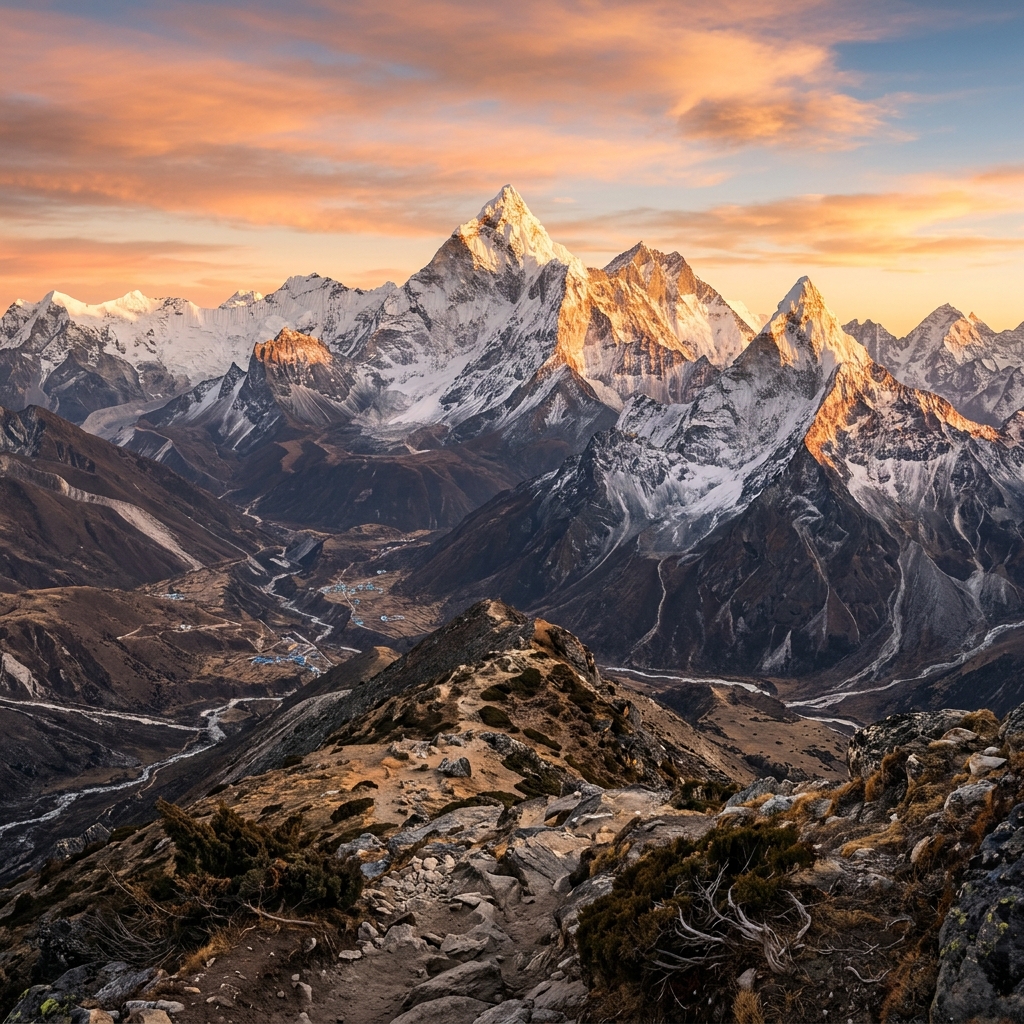
The full wilderness circuit visiting both Pangpema North Base Camp (5,143m) and Oktang South Base Camp (4,730m), linked by the rugged high crossing of Sele La Pass (4,480m).
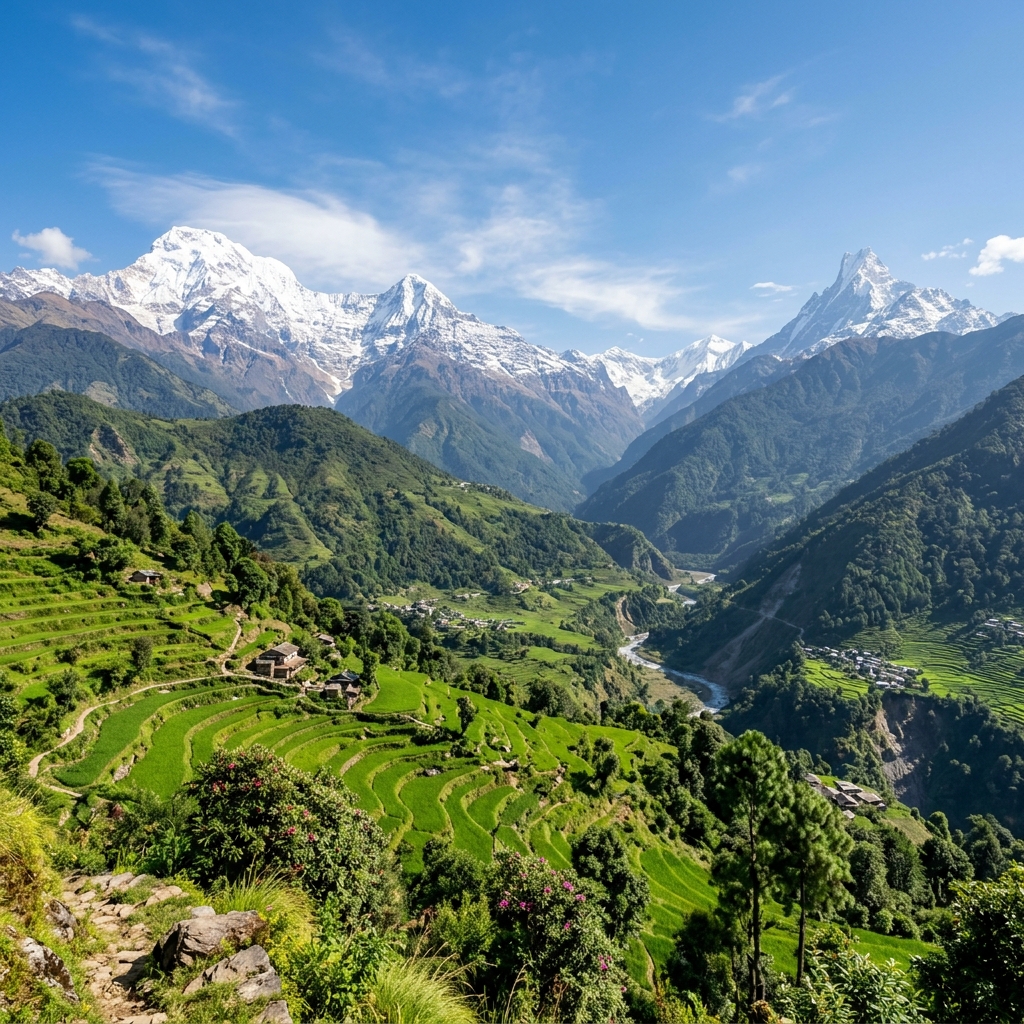
Journey to Nepal's far eastern border with Sikkim and Tibet to behold Mount Kanchenjunga (8,586m) — the world's third highest peak — through primeval rhododendron cloud forests, high Yalung moraines, and the Sele La Pass (4,480m). Explore Geography →
Covering 2,035 km² in Taplejung district, the Kanchenjunga Conservation Area (KCA) borders Sikkim (India) and the Tibet Autonomous Region. Mount Kanchenjunga (8,586m) contains five distinct high peaks representing the "Five Treasures of Snow" (Gold, Silver, Gems, Grain, and Holy Books) guarded by local deities.
The region features two iconic base camp sectors joined by high passes:
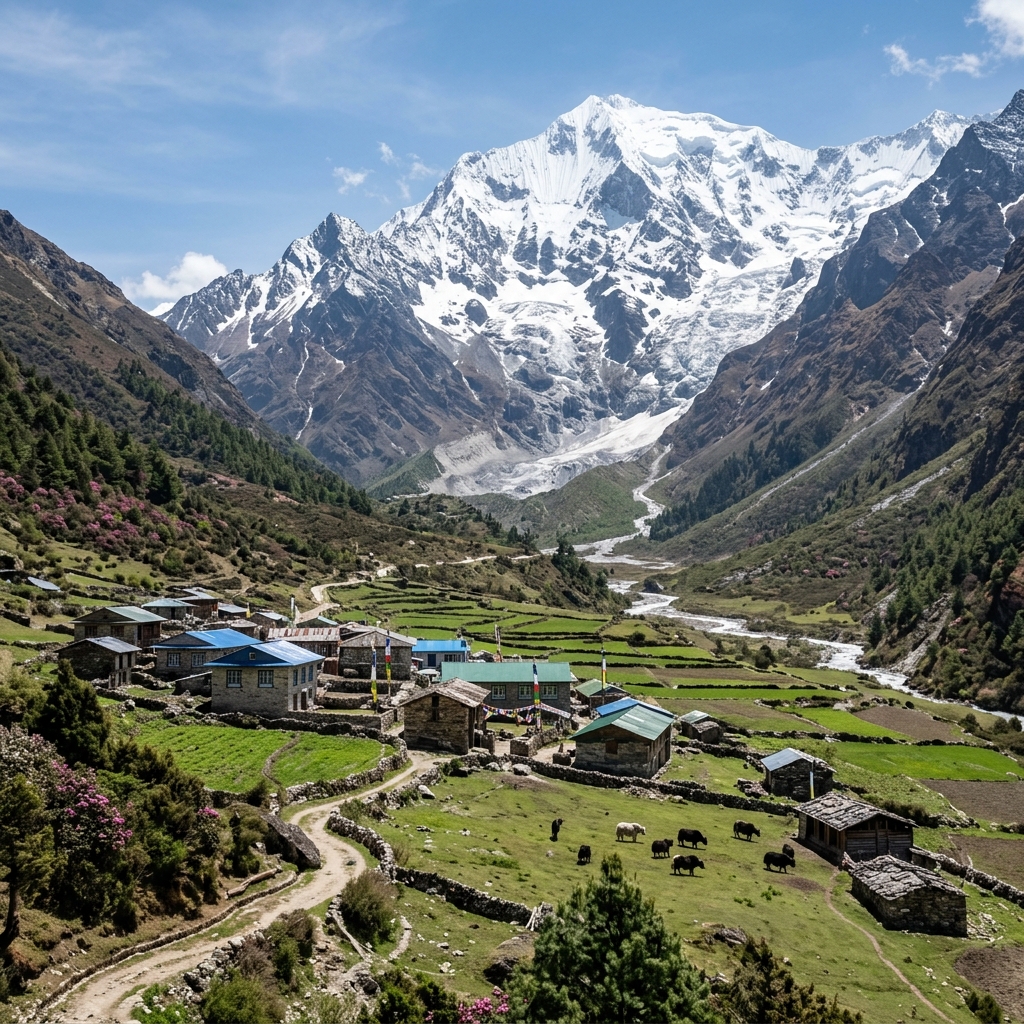
Ascending along the Ghunsa Khola past Kambachen (4,050m) and Lhonak (4,780m) to face the colossal North Face of Kanchenjunga rising 3,500 vertical meters above the glacier.
Overlooking the massive Yalung Glacier and the South and Central summits of Kanchenjunga and Kabru peaks, accessed via Sele La Pass (4,480m) and Tseram.
From the complete 22-day dual base camp circuit to separate North or South expeditions.
GRAND CIRCUIT
The full wilderness circuit visiting both Pangpema North Base Camp (5,143m) and Oktang South Base Camp (4,730m), linked by the rugged high crossing of Sele La Pass (4,480m).
NORTH FACE
Direct expedition to Pangpema via the Tibetan-Sherpa village of Ghunsa, Kambachen, and Lhonak for jaw-dropping views of Kanchenjunga North Face and Jannu.
SOUTH YALUNG
Explore the southern approaches through pristine rhododendron and oak forests up to Ramche and Oktang viewpoint directly facing the massive ice walls of the Yalung Glacier.
A restricted area requiring a minimum of two trekkers and a certified licensed guide.
Restricted Area Permit: USD $20 per person for the first 4 weeks ($25/week thereafter). Minimum 2 trekkers required.
Approx. USD $16 per person. Community-managed Kanchenjunga Conservation Area entry fee.
A gradual 22-day itinerary ensures natural acclimatization before reaching Pangpema (5,143m).
Eastern Nepal receives early and heavy monsoon rains; Spring (April–May) and Autumn (October–November) are the strictly recommended trekking windows.
| Season | Months | Lhonak Temp | Conditions | Rating |
|---|---|---|---|---|
| Spring | Apr – May | -6°C to +10°C | Massive rhododendron cloud forests in bloom; stable mornings. | Prime Season |
| Autumn | Oct – Nov | -12°C to +8°C | Peak clarity, sharpest mountain visibility across all 5 peaks. | Best Clarity |
| Monsoon | Jun – Sep | +8°C to +18°C | Very heavy rainfall in eastern Nepal; leeches and landslides. | Avoid |
Lower Kanchenjunga is the ancestral homeland of the Kirat Limbu and Rai peoples, famous for their unique animist Mundhum philosophy and wooden Tongba beer vessels. Higher along the border, the Walungpa (Tibetan-Buddhist mountain community of Olangchung Gola and Ghunsa) have traded wool and salt across the border for over 500 years.
Kanchenjunga is celebrated for having over 30 species of rhododendrons, the elusive Red Panda, Snow Leopard, Asian Black Bear, and the Himalayan Musk Deer thriving in untouched sub-alpine forests.
Community-managed teahouses provide authentic family homestay warmth across Ghunsa, Kambachen, and Tseram.
Simple timber rooms with foam mattresses. Cozy dining rooms centered around wood-burning stoves in Ghunsa and Kambachen.
Cardamom-spiced curries, organic potatoes, freshly ground buckwheat rotis, tsampa porridge, and steaming noodle soups.
Our guides carry backup satellite safety trackers and emergency high-altitude medical equipment.
Due to a 22-day duration and isolated alpine stages, reliable technical mountaineering clothing is required.
Everything you need to know about restricted area permits, travel logistics from Kathmandu, teahouses, and booking.
Kanchenjunga requires two permits: (1) Restricted Area Permit (RAP) at USD $20 per person per week for the first 4 weeks, and (2) KCA Conservation Permit (NPR 2,000, approx. USD $16). Solo trekking is prohibited; a minimum of two foreign trekkers and a certified licensed guide are required by law.
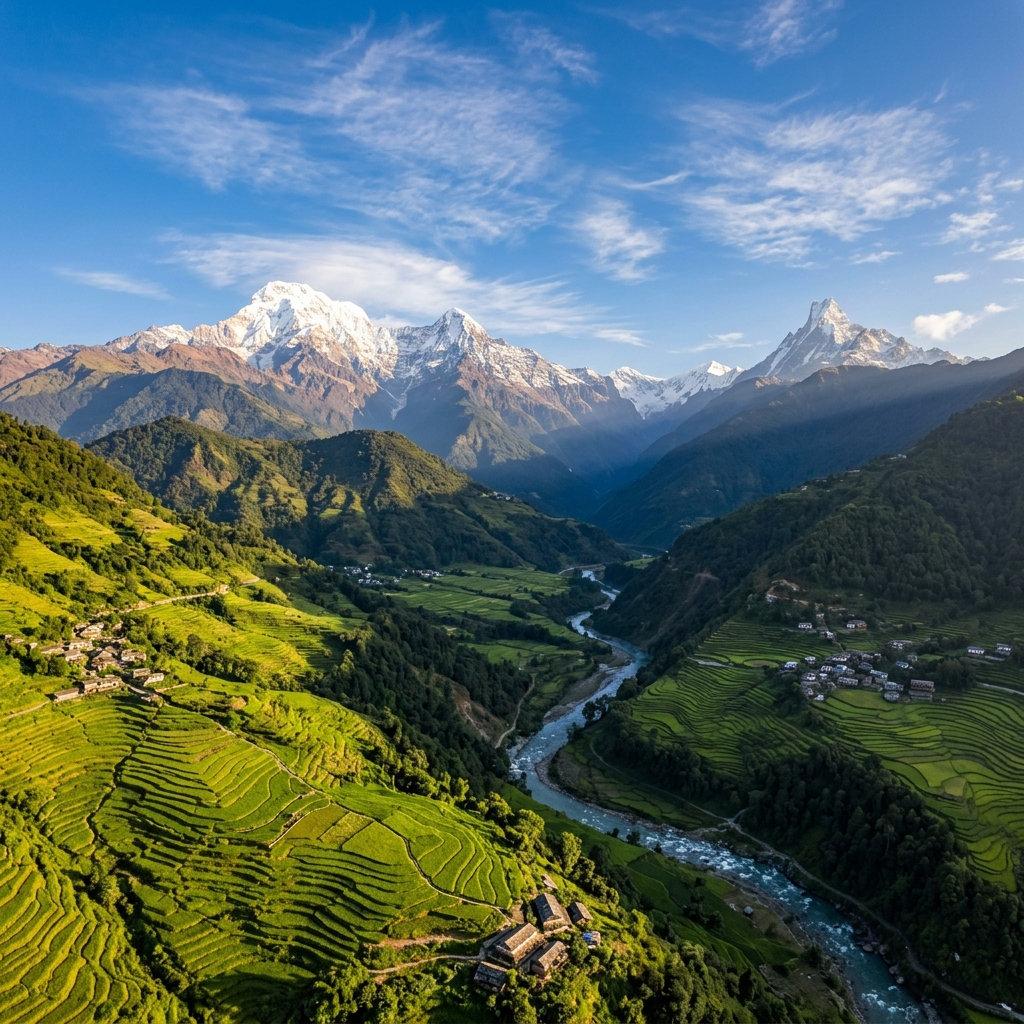
We fly 45 minutes from Kathmandu to Bhadrapur Airport in southeastern Nepal, followed by a scenic private 4WD drive through Ilam's lush rolling tea gardens to Taplejung / Suketar (2,420m). Alternatively, direct seasonal flights to Suketar STOL airstrip are arranged when operating.
The Kanchenjunga Circuit is one of Nepal's most physically demanding treks (22 days duration, 6 to 8 hours of hiking per day over rugged glacial moraines). However, because the ascent from 1,800m is very gradual, altitude acclimatization is exceptionally smooth. Our guides monitor daily SpO2 vitals and carry emergency oxygen.
The two prime windows are Autumn (October–November) for unmatched crystal clarity and crisp high-altitude views of the massif, and Spring (April–May) when over 30 varieties of wild rhododendrons bloom across the lower Tamur and Ghunsa valleys.
Kanchenjunga is now fully supported by community-owned teahouses in key settlements like Ghunsa, Kambachen, and Lhonak. While more basic than Everest lodges, they provide clean wooden twin rooms, warm common dining halls with cast-iron stoves, and hot freshly prepared meals.
Yes. Because government regulations require a minimum of two foreign trekkers for the RAP permit, we pair solo travelers with confirmed small group departures in spring and autumn, ensuring seamless permit processing.
Our Kathmandu operations team and veteran high-altitude guides are available 24/7.
Connect with our Kathmandu operations team to arrange restricted area permits, secure certified Limbu & Sherpa lead guides, and lock in your departure date.