

Khumbu ★★★★★
Verified 4.97 (1,840+ Trekkers)
★★★★★

Sagarmatha · Khumbu
Everest Region Treks

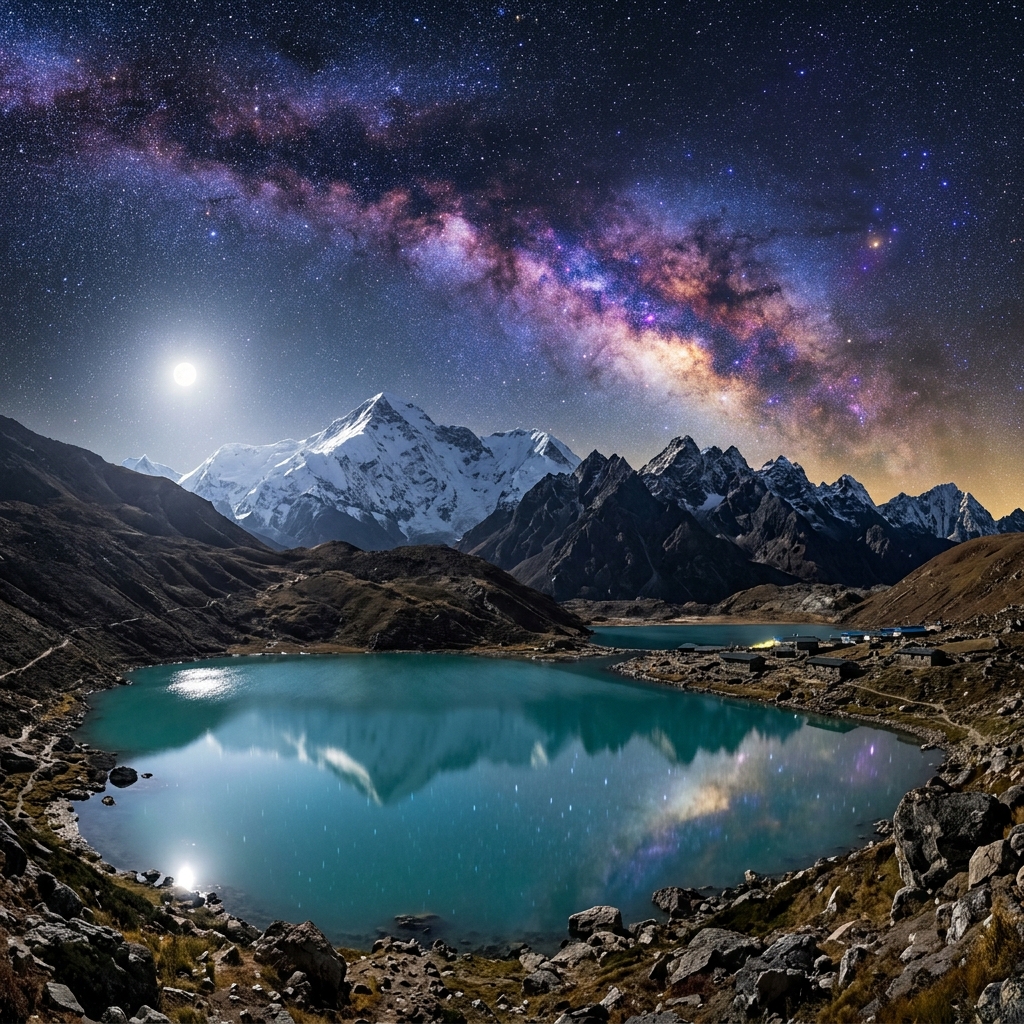
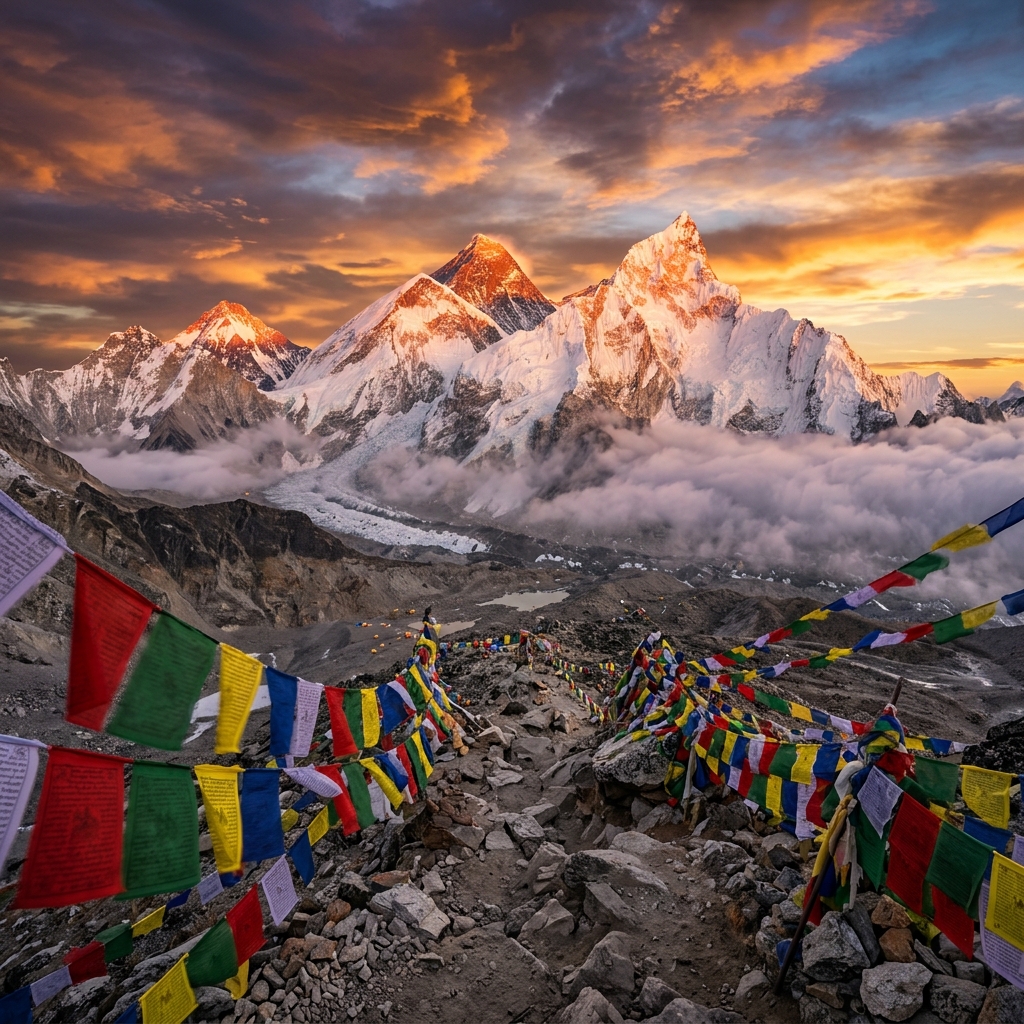
Stand in the shadow of Mount Everest (8,848.86m), Lhotse, Nuptse, and Ama Dablam. Traverse ancient Sherpa monastery trails, emerald Gokyo glacial lakes, and glaciated passes with certified native Sherpa leaders. Explore Geography →

Everest Base Camp preview
Trekker Trekker Trekker Trekker
Guided +6,800 Khumbu Climbers Explore 6 Routes
Summit Elevation 8,848.86m Mt. Everest (Sagarmatha)
Max Trekking Pass 5,545m Kala Patthar / Cho La
Gateway Airport Lukla (2,846m) 35 min scenic flight
Governing Park 1,148 km² UNESCO Biosphere
Route Portfolio 6 Curated Routes 7 to 19 Days duration
UNESCO World Heritage Biosphere
8,848.86m Summit of the World
100% Native Sherpa Lead Guides
24/7 Helicopter Evacuation Dispatch
Daily Pulse Oximeter Monitoring
2026/2027 All-Inclusive Permits Handled
Geographic Anatomy & Biosphere

The Crown Jewel of Himalayan Wilderness

The Khumbu region is nestled inside the Solukhumbu district of northeastern Nepal, enclosed within the rugged boundaries of Sagarmatha National Park. Established in 1976 and inscribed as a UNESCO World Heritage Site in 1979, the biosphere rises from lush pine, bamboo, and rhododendron river gorges at 2,800m to the highest terrestrial point on Earth: the summit of Mount Everest at 8,848.86m.

The region is naturally split into three distinct zones:

1

Lower Pharak & Solu Corridor (2,000m – 2,800m)

Lush subtropical alpine forests, terraced agriculture, fast-flowing Dudh Koshi torrents, and traditional Sherpa farming hamlets.

2

Mid Khumbu Trading Hub (3,400m – 4,000m)

Centering around Namche Bazaar, Khumjung, and Tengboche Monastery. The cultural heartland of Tibetan Buddhism and yak trading.

3

High Alpine Glaciated Cirques (4,000m – 5,550m+)

Moraines, hanging seracs, Ngozumpa & Khumbu glaciers, emerald Gokyo lakes, and direct amphitheaters of 8,000m giants.

Prominent Peaks in the Khumbu Skyline

Mt. Everest (Sagarmatha) 8,848.86m · #1 World
Lhotse 8,516m · #4 World
Cho Oyu 8,188m · #6 World
Nuptse 7,861m · South Wall
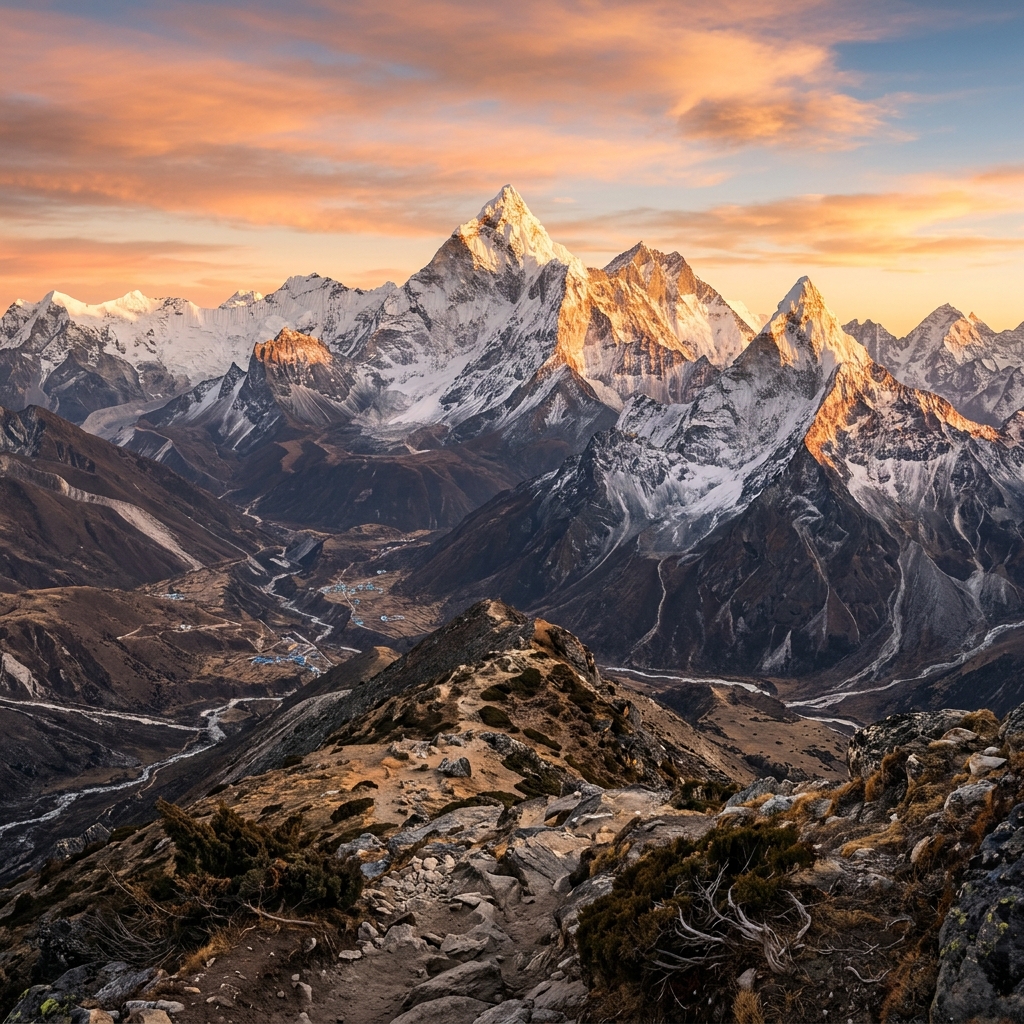
Ama Dablam 6,812m · "Matterhorn of Asia"
Thamserku & Kantega 6,608m / 6,782m · Guarding Namche
Curated Route Portfolio

6 Ways to Experience the Everest Region

From standard 14-day bucket list pilgrimages to remote high-pass traverses and scenic comfort routes.

Everest Base Camp Trek MOST ICONIC

Everest Base Camp Classic Trek

14 Days
5,364m (Kala Patthar 5,545m)
Challenging

The world’s most celebrated high-altitude trek. Follow the historic mountaineering footsteps from Lukla through Namche Bazaar, Tengboche Monastery, Dingboche, and the Khumbu Glacier to Base Camp and summit Kala Patthar at sunrise.

All-Inclusive From
$1,399 /person
View Details
Gokyo Lakes Trek TURQUOISE LAKES

Gokyo Sacred Lakes & Gokyo Ri

12 Days
5,357m (Gokyo Ri)
Challenging

Trek into the tranquil Gokyo Valley, visiting six shimmering oligotrophic glacial lakes. Summit Gokyo Ri (5,357m) for what mountaineers consider the single greatest panorama of 4 eight-thousand-meter giants (Everest, Lhotse, Makalu, Cho Oyu).

All-Inclusive From
$1,299 /person
View Details
Everest Three Passes Trek EXTREME CIRCUIT

Everest Three High Passes Circuit

19 Days
5,545m (Kala Patthar)
Strenuous

The ultimate Himalayan high circuit. Cross Renjo La (5,360m), Cho La (5,420m), and Kongma La (5,535m), connecting Gokyo Sacred Lakes, Everest Base Camp (5,364m), and Kala Patthar (5,545m).

All-Inclusive From
$1,890 /person
View Details
Ama Dablam Base Camp Trek SCENIC PANORAMA

Ama Dablam Base Camp Expedition

10 Days
4,600m
Moderate

Get up-close to the Himalayas' most photogenic mountain. Hike into the Mingbo Valley pasturelands directly beneath Ama Dablam's soaring granite flanks, visiting Pangboche and Phortse Sherpa villages.

All-Inclusive From
$1,150 /person
View Details
Everest View Panorama Trek COMFORT & CULTURE

Everest View & Tengboche Panorama

7 Days
3,867m
Easy-Mod

Designed for travelers with limited time or families seeking an authentic Himalayan experience without extreme altitude strain. Visit Namche Bazaar, Everest View Hotel, and sacred Tengboche Gompa.

All-Inclusive From
$899 /person
View Details
Everest Base Camp with Heli Return LUXURY HELI-TREK

EBC with Helicopter Return

10 Days
5,364m
Moderate

Trek upward safely across 9 days to Mount Everest Base Camp & Kala Patthar. On Day 10, bypass the 3-day return hike by boarding a chartered helicopter flight directly from Gorak Shep back to Kathmandu.

All-Inclusive From
$2,199 /person
View Details
Legal Documentation & Entry Fees

Required Trekking Permits for Everest & Khumbu (2026)

All Best Treks Nepal expedition packages include 100% of the mandatory government conservation and local municipal permits. Here is the verified statutory breakdown:

Sagarmatha National Park Permit (SNPP)

NPR 3,000

Mandatory federal conservation entry fee managed by the Department of National Parks and Wildlife Conservation.

  • Foreign Nationals: NPR 3,000 + 13% VAT (~$25 USD)
  • SAARC Citizens: NPR 1,500 + VAT
  • Checkpoint: Monjo Park Entrance Gate

Khumbu Pasang Lhamu Entry Card

NPR 3,000

Local autonomous municipal government permit directly funding community healthcare, trail waste management, and bridges.

  • Replaces TIMS: TIMS cards are not valid in Khumbu
  • Fee Structure: NPR 3,000 / person (first 4 weeks)
  • Checkpoint: Lukla Entry Counter or TokTok

Gauri Shankar Permit (Overland Jiri Route)

NPR 3,000

Only required for trekkers following the classical overland pioneer route from Jiri or Shivalaya before entering Sagarmatha NP.

  • Fly-in Trekkers: Not required if flying to Lukla
  • Fee Structure: NPR 3,000 per trekker
  • Checkpoint: Shivalaya Gate
Hassle-Free Processing: When booking with Best Treks Nepal, your lead Sherpa guide carries all registered digital and stamped paper permits. You will only need to provide two passport photos and a copy of your valid tourist visa upon arrival in Kathmandu.
Altitude Medicine & Risk Protocol

Elevation Staging & Acclimatization Strategy

Altitude safety is our paramount priority. Because effective atmospheric oxygen drops to nearly 50% at Everest Base Camp, our itineraries follow strict Wilderness Medical Society (WMS) acclimatization thresholds.

Stage Location Altitude Acclimatization & Safety Protocol
Day 1 Lukla to Phakding 2,610m Fly into Lukla (2,846m) and descend 200m to Phakding for gentle initial atmospheric adaptation.
Day 2–3 Namche Bazaar 3,440m Mandatory Rest Day: "Climb high, sleep low" active acclimatization hike to Everest View Hotel (3,880m). Pulse oximeter saturation checks begin.
Day 4 Tengboche Monastery 3,867m Crossing the 3,500m threshold. Hydration protocol of 4–5 liters daily. Evening monk chanting meditation.
Day 5–6 Dingboche Valley 4,410m 2nd Mandatory Acclimatization Day: Climb to Nangkartshang Peak (5,083m) for views of Makalu, then sleep low in Dingboche.
Day 7 Lobuche 4,940m Pass the poignant Chukpo Lari Everest mountaineers memorial. Oxygen level in ambient air drops to 55%.
Day 8 Gorak Shep & EBC 5,364m Trek to Everest Base Camp along Khumbu Glacier moraine; sunrise climb of Kala Patthar (5,545m) on Day 9.
Daily Pulse Oximeter Saturation Monitoring
Medical First-Aid & Diamox Guidance
Portable Oxygen Cylinders & Gamow Bags
24/7 Helicopter Evacuation Dispatch
Climatic Windows

Best Time to Trek in the Everest Region

Understanding the seasonal weather cycle helps you plan the ideal expedition balance between mountain visibility and trail temperatures.

Prime Season

Autumn (Late Sept – Nov)

Post-monsoon ultra-clear blue skies, exceptional long-distance visibility, and dry trails. Perfect conditions for photography and high passes.

Day: 12°C to 16°C · Night: -5°C to -10°C
Prime Season

Spring (March – May)

Warmer temperatures and blooming rhododendron forests below 3,800m. Everest Base Camp is buzzing with international climbing summit teams.

Day: 14°C to 18°C · Night: -2°C to -8°C
Quiet / Winter

Winter (Dec – Feb)

Crystal clear days with almost zero crowd on trails. Very cold nights above 4,000m requiring heavyweight 4-season down gear.

Day: 5°C to 10°C · Night: -15°C to -20°C
Monsoon / Lush

Monsoon (June – Aug)

Heavy rainfall in lower valleys, frequent Lukla flight delays, and cloudy peaks. Lower trails are lush green with blooming alpine wildflowers.

Day: 16°C to 22°C · Frequent Rain
Spiritual & Cultural Heritage

Living Tibetan Buddhist Culture of the Sherpa

The Sherpa people migrated from eastern Tibet (Kham) across the high glaciated Nangpa La pass over 500 years ago. Their culture is intimately woven with the Nyingma school of Tibetan Buddhism, viewing peaks like Mount Everest (Chomolungma — "Goddess Mother of the World") and Khumbila as sacred protective deities.

Tengboche Monastery (Dawa Choling Gompa)

Situated atop a ridge at 3,867m framed by Ama Dablam. The spiritual heart of the Khumbu where lead lamas bless Everest climbing expeditions.

Pangboche Gompa (Oldest in Khumbu)

Over 600 years old, situated in ancient juniper groves. Famous for preserving ancient religious manuscripts and historic relics.

Mani Walls & Prayer Wheels

Trekkers traditionally pass sacred Mani stone walls and Chortens on their left side (clockwise) as a sign of spiritual respect.

Mani Rimdu Festival

The most important 19-day religious celebration in the Khumbu, held during the tenth lunar month (October/November) at Tengboche Monastery.

  • Sacred Masked Dances (Chham): Monks portray protective Buddhist deities triumphing over demonic forces.
  • Sand Mandala Construction: Elaborate geometrical cosmic art created grain by grain and dismantled in ceremony.
  • Fire Puja & Blessing: Distribution of blessed dough pills (Rilbu) and sacred long-life cords to all attendees.
Join Mani Rimdu Expedition
Teahouse Life & Connectivity

Teahouses, Dining & Trail Infrastructure

The Khumbu trail network features the most developed mountain lodge infrastructure in the Himalayas, combining cozy Sherpa hospitality with modern amenities.

Mountain Lodge Rooms

Twin-share wood-paneled rooms with foam mattresses, clean sheets, and pillows. Down sleeping bags are provided by Best Treks Nepal for night insulation.

Luxury Eco-Lodge Upgrades Available

Nutritious Trail Cuisine

Freshly cooked 3 daily meals: traditional Nepali Dal Bhat Power (unlimited lentils, rice, curry), Sherpa stew (Shyakpa), garlic soup for altitude, porridge, and eggs.

Vegetarian & Vegan Friendly

Electricity & Charging

Hydro-powered and solar charging hubs in dining rooms to recharge camera batteries, phones, and power banks for a small lodge fee (NPR 300–600).

Bring 20,000mAh Power Bank

WiFi & Mobile Data

Ncell & Nepal Telecom 4G cellular data coverage up to Dingboche. Everest Link satellite WiFi prepaid scratch cards work across every teahouse up to Gorak Shep.

AirJaldi & Everest Link Cards
Expedition Equipment

Essential Packing & Gear Checklist for Everest

Your porter duffel bag limit is 10–12 kg (22–26 lbs) per trekker, with a 5–7 kg daypack carried by you on the trail.

Core Layering System

  • Merino wool base layers (2 tops, 2 bottoms)
  • Mid-layer fleece jacket / Grid fleece
  • Heavyweight down jacket (-20°C rated)
  • Waterproof Gore-Tex hard shell jacket & pants
  • Moisture-wicking trekking shirts & convertible pants

Footwear & Extremities

  • Broken-in waterproof trekking boots
  • Merino wool trekking socks (4–5 pairs)
  • Windproof thermal gloves + heavy down mitts
  • Warm fleece beanie & UV sun hat with neck cape
  • Lodge slip-on sandals / camp down booties

Hardware & Optics

  • Adjustable carbon-fiber trekking poles
  • Category 3 or 4 UV glacier sunglasses
  • Rechargeable headlamp (300+ lumens) with red mode
  • Two 1-liter Nalgene water bottles (with thermal sleeves)
  • Microspikes (essential for high passes & spring trails)
Direct Answers from Lead Sherpa Guides

Frequently Asked Questions: Everest & Khumbu

Everything you need to know regarding Lukla flight logistics, Sagarmatha park permits, altitude safety, teahouse lodges, and booking terms.

Lukla Flights

How do Lukla flights operate and what about Ramechhap (Manthali) transfers?

During peak trekking seasons (Spring: April–May and Autumn: October–November), the Civil Aviation Authority of Nepal (CAAN) routes all commercial twin-otter STOL flights through Manthali Airport in Ramechhap (a 4-hour scenic drive east of Kathmandu) to eliminate airspace delays at Tribhuvan International Airport.

All-Inclusive Transfer: Best Treks Nepal provides private, air-conditioned tourist coach transportation between Kathmandu and Ramechhap, dedicated airport escort, and priority boarding manifests.
Altitude Safety

How is Acute Mountain Sickness (AMS) prevented and managed in the Khumbu?

Safety is our #1 priority. Our routes strictly follow clinical acclimatization protocols (daily sleeping elevation gain limited to 300–500m above 3,000m) with mandatory active acclimatization rest days in Namche Bazaar (3,440m) and Dingboche (4,410m).

Active Monitoring: Our licensed Sherpa guides conduct twice-daily blood oxygen saturation and heart-rate checks using clinical pulse oximeters. Emergency helicopter evacuation dispatch is monitored 24/7.
Permits

What permits are required for the Everest Region in 2026/2027?

Trekking in the Khumbu requires two mandatory government entry clearances:

  • Sagarmatha National Park Entry Permit (SNPP): NPR 3,000 (~$25 USD) per person
  • Khumbu Pasang Lhamu Rural Municipality Fee: NPR 3,000 (~$25 USD) per person
Zero Paperwork Hassle: Best Treks Nepal handles 100% of the permit processing and fees prior to departure. All permits are completely included in your package.
Lodges & Food

What are the teahouse accommodations and food options like on the trail?

Accommodations along the Everest trail are traditional family-operated Himalayan teahouses. Rooms are clean, twin-share setups with comfortable mattresses, pillows, and blankets. Teahouse dining halls are warmed in the evenings by central yak-fuel stoves.

Nutritious Meals: Packages include 3 wholesome meals per day (Breakfast, Lunch, Dinner with hot tea/coffee). Menus offer local Dal Bhat, Sherpa noodle stew (Shakpa), momos, oatmeal, pasta, potatoes, eggs, and freshly baked apple pie in Namche.
Fitness & Experience

Do I need mountaineering experience or technical climbing gear?

No technical mountaineering skills, ropes, harnesses, or crampons are required for Everest Base Camp, Gokyo Lakes, or Tengboche Panorama treks. All routes are non-technical alpine trekking paths.

Good cardiovascular endurance and mental stamina are essential. Trekkers should comfortably manage 5–7 hours of walking per day on stone staircases and moraine trails while carrying a light daypack (4–6 kg).

Insurance

What travel insurance policy is required for Everest trekking?

All trekkers must hold valid international travel insurance that explicitly covers high-altitude trekking up to 6,000m (20,000 ft) and emergency helicopter evacuation / hospital inpatient care.

Recommended Providers: World Nomads (Explorer Plan), Global Rescue, Ripcord Rescue Travel Insurance, and Allianz Global Assistance.
Weather Delays

What happens if Lukla flights are delayed by mountain weather?

Lukla Airport operates exclusively under Visual Flight Rules (VFR). If cloud cover or high winds occur, flights may experience temporary delays. We strongly recommend scheduling 1–2 contingency buffer days in Kathmandu at the end of your holiday.

Contingency Support: In case of prolonged STOL grounding, our operations team can charter shared helicopter transfers (subject to weather visibility) so your expedition remains on schedule.
Booking Terms

How do I book an Everest trek & what are the payment terms?

Booking is simple and fast. Choose your desired itinerary and dates on our Booking Page. A 20% advance deposit secures your certified Sherpa guide, internal flight slots, and teahouse reservations.

We accept Visa, MasterCard, Wire Transfer, and Wise. The remaining 80% balance can be settled online prior to departure or in Kathmandu upon arrival. Date rescheduling is free up to 14 days before trip start.

Still have questions about your Everest Expedition?

Our Kathmandu operations headquarters and senior Sherpa expedition directors are available 24/7 to customize your itinerary or answer technical questions.

Guaranteed Small Group & 100% Private Departures

Ready to Walk Among Himalayan Giants?

Connect with our Kathmandu expedition operations team to customize your itinerary, check live Lukla flight availability, or lock in your guaranteed small group departure date.

Book Everest Trek Talk with a Sherpa Expert