
1. The 4-Layer Himalayan Clothing Strategy (-20°C to +25°C)
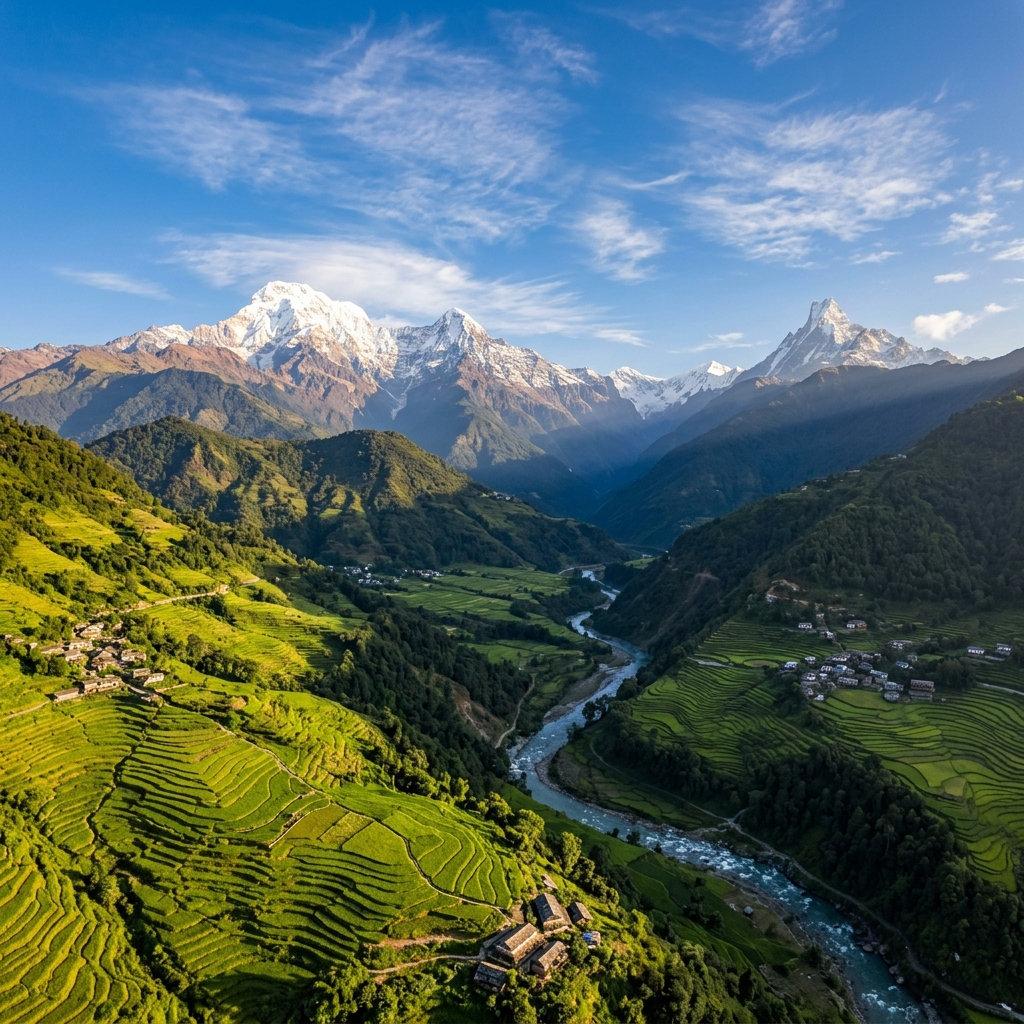
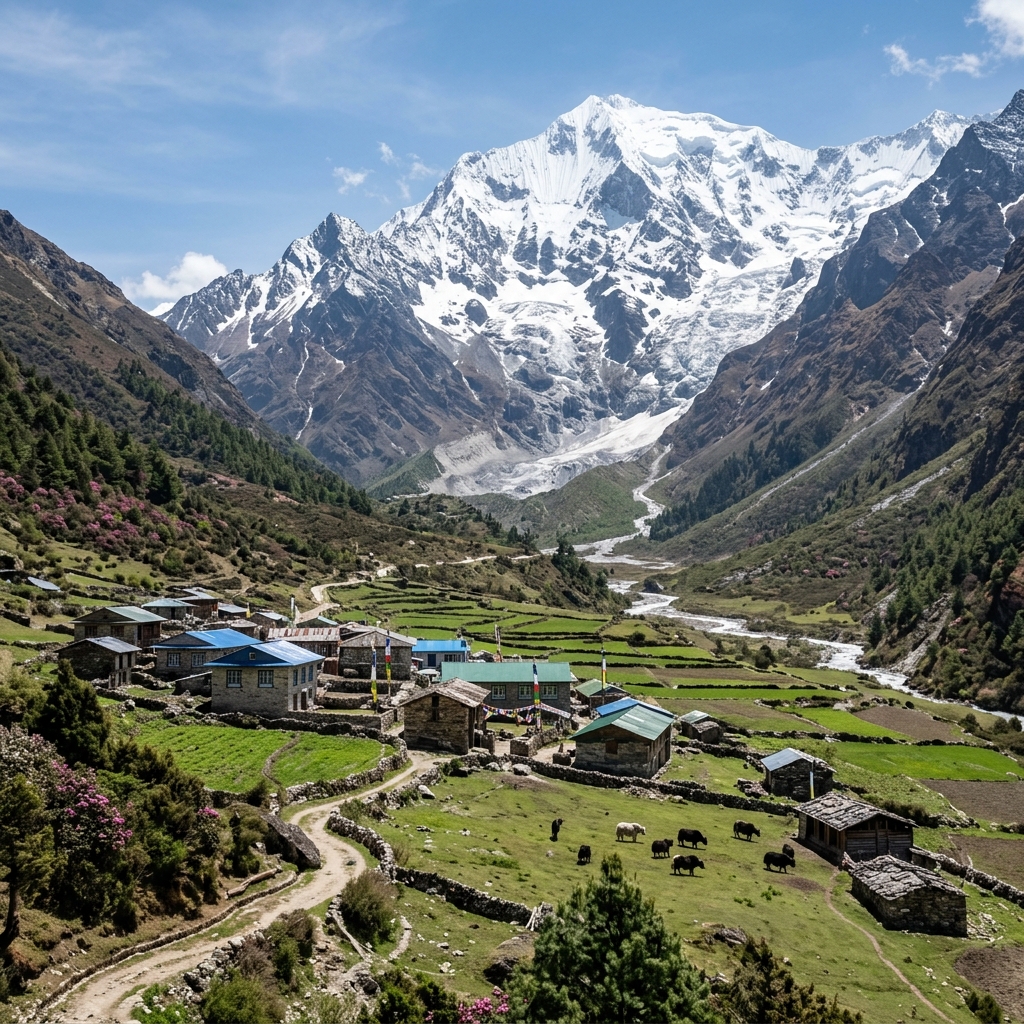
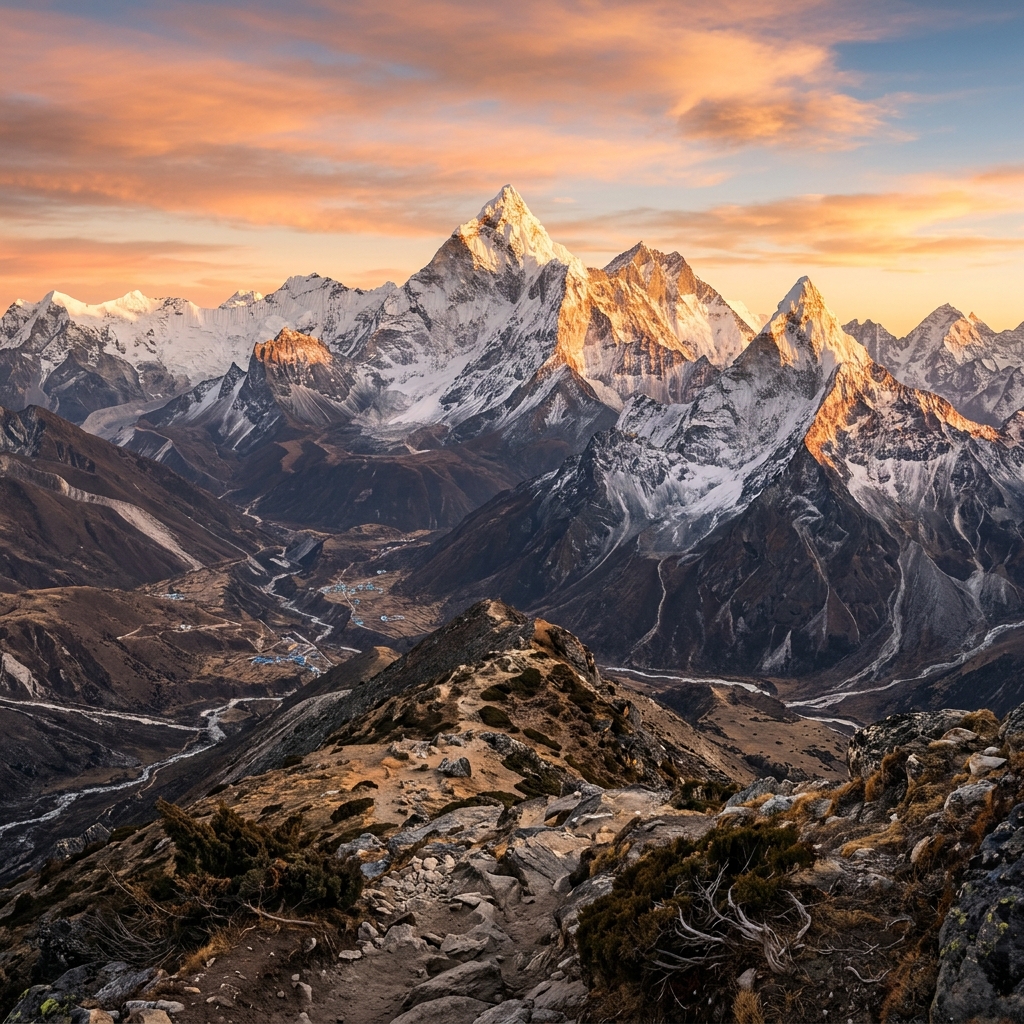
Himalayan trekking presents extreme temperature swings: from sweating in a T-shirt at +25°C in lush subtropical valleys (Lukla, Besisahar) to enduring -20°C freezing pre-dawn wind chills on Kala Patthar (5,545m) or Thorong La Pass (5,416m). The only way to stay safe and dry is modular technical layering:
1. Moisture-Wicking Base Layer (Merino Wool)
Pulls sweat away from your skin to prevent conductive cooling and hypothermia when you stop walking.
- ✓ Material: 100% Merino wool (200–260 GSM) or high-grade Capilene.
- ✓ Quantity: 2x Long-sleeve thermal tops + 2x thermal bottoms (leggings).
- ❌ Strict Rule: ZERO COTTON. Cotton absorbs sweat, stays wet, and freezes against skin.
2. Breathable Active Mid-Layer (Grid Fleece)
Traps dead air for warmth while allowing excess body heat and vapor to escape during steep uphill slogs.
- ✓ Material: Polartec Power Grid, Patagonia R1, or breathable micro-fleece.
- ✓ Feature: Deep front half-zip or full zip for instant thermal dumping on ascents.
- ✓ Quantity: 1x Technical fleece hoodie or breathable active synthetic jacket.
3. High-Loft Down Jacket (750–850 Fill Power)
Your primary life-saver. Put on immediately upon arriving at cold teahouses, during rest breaks, and on summit mornings.
- ✓ Spec: Box-wall baffled construction, 750–850 fill power down with insulated hood.
- ✓ Weight: 600g–850g total weight (packable into small stuff sack).
- ✓ Rental Tip: Rent in Thamel for $1.50/day or use Best Treks complimentary loan.
4. Hard Shell Waterproof & Windproof Jacket
100% impenetrable barrier against high-altitude gale-force winds, snowstorms, and driving monsoon rain.
- ✓ Material: 3-Layer Gore-Tex Pro, eVent, or Pertex Shield (20,000mm+ waterproof rating).
- ✓ Features: Underarm pit-zips for ventilation, fully taped seams, adjustable helmet-compatible hood.
- ✓ Pants: Pack matching lightweight waterproof rain pants with full side zips.
2. Footwear & Blister Care: The Non-Negotiable Foundation
Your feet will endure over 150,000 steps on steep granite stairs, moraine boulders, and frozen scree. A footwear failure ruins a trek faster than altitude:
| Footwear Item | Key Technical Specifications | Where to Buy & Sherpa Recommendation |
|---|---|---|
| Trekking Boots (Primary) | Mid-to-high cut, Gore-Tex waterproof membrane, Vibram lugged rubber sole, semi-rigid midsole. | MUST BUY AT HOME: Break them in for at least 40–50 km before flying to Nepal. Never trek in brand new boots! |
| Teahouse Camp Shoes | Lightweight down booties, Crocs, or cushioned trail runners. | Essential for letting tired feet breathe in cold teahouses in the evenings after removing heavy boots. |
| Trekking Socks (4 Pairs) | 70%+ Merino wool (Darn Tough / Smartwool), medium to heavy cushion with reinforced heels/toes. | Merino wool resists bacteria and odor for days. Rotate 2 pairs while walking, keep 1 clean pair exclusively for sleeping. |
| Microspikes / Traction Cleats | Elastomer harness with stainless steel 1/2-inch spikes (Kahtoola / Black Diamond). | Mandatory for crossing icy high passes (Thorong La, Cho La, Larkya La) and frozen pre-dawn trails. Buy in Thamel for $15–$20. |
| Gaiters (Low / Mid Cut) | Breathable waterproof ripstop nylon. | Prevents scree, dust, mud, and snow from entering the top of your boots. |
🩺 The Sherpa Blister Defense Protocol:
The instant you feel a "hot spot" (friction warmth on your heel or toe), STOP IMMEDIATELY. Do not wait for the lunch stop. Remove your boot, wipe the skin dry, and apply Leukotape P or a Compeed hydrocolloid patch directly over the area. Wearing thin merino sock liners under thick hiking socks reduces skin shear friction to near zero.
3. What to Buy at Home vs. What to Rent or Buy in Kathmandu
You do not need to spend $2,000+ at outdoor retailers before arriving. Thamel (Kathmandu) and Lakeside (Pokhara) are the gear rental capitals of the trekking world:
| Category | Buy at Home in Advance | Rent in Kathmandu (Thamel) | Buy Cheap in Thamel |
|---|---|---|---|
| Footwear & Packs | ✓ Broken-in Trekking Boots ✓ Fitted 28L–35L Daypack |
— | ✓ Microspikes ($15) ✓ Camp Slippers ($6) |
| Outer Warmth & Sleep | — | ✓ -15°C Down Sleeping Bag ($1.50/day) ✓ 800-Fill Down Jacket ($1.50/day) |
✓ Fleece Sleeping Bag Liner ($8) ✓ Inflatable Pillow ($5) |
| Clothing Layers | ✓ Merino Wool Base Layers ✓ Quality Rain Jacket (Gore-Tex) |
— | ✓ Fleece Gloves ($5) ✓ Buffs / Neck Gaiters ($2) ✓ Wool Beanies ($4) |
| Trekking Hardware | ✓ Polarized Cat-3/4 Sunglasses | ✓ Trekking Poles ($1/day) | ✓ Trekking Poles ($10–$15 buy) ✓ 1L Nalgene Bottles ($5) |
| Medical & Electronics | ✓ Prescription Meds (Diamox) ✓ 20,000mAh Anker Power Bank |
— | ✓ Universal Plug Adapter ($3) ✓ Water Purification Tabs ($4) |
⚠️ The "North Fake" Counterfeit Gear Guide:
Over 85% of gear sold on Thamel street shops are locally made knockoffs labeled "The North Face" or "Mammut". What is safe to buy fake: fleece pants, knit beanies, wool socks, buffs, and dry bags (excellent value). What you must NEVER buy fake: rain jackets (they leak instantly), boots (they cause severe blisters and delaminate), and Category 4 glacier sunglasses (counterfeit lenses lack true UV-400 blocking and can cause retinal snow blindness).
4. Complete Itemized Himalayan Gear & Equipment Inventory
The full breakdown of gear organized into 6 essential expedition modules:
1. 🕶️ Head, Face, Hands & Eye Protection
- ✓ UV-400 Glacier Sunglasses: Cat 3 or 4 with side shields to prevent snow blindness.
- ✓ Sun Hat / Baseball Cap: Wide brim with neck cape for UV protection.
- ✓ Thermal Merino Beanie: Warm fleece/wool hat covering ears completely.
- ✓ Buffs / Neck Gaiters (2x): Crucial for filtering cold dust and preventing "Khumbu Cough".
- ✓ Liner Gloves (1 Pair): Lightweight touchscreen-compatible thermal gloves.
- ✓ Windproof Insulated Mitts (1 Pair): Heavy-duty waterproof down or PrimaLoft mittens.
2. 🛏️ Sleeping & Teahouse Comfort
- ✓ -15°C Down Sleeping Bag: 4-season mummy bag with draft collar (provided free by Best Treks).
- ✓ Silk / Fleece Sleeping Bag Liner: Adds +3°C to +5°C warmth and keeps rental bags clean.
- ✓ Headlamp (300+ Lumens): With red-light mode and spare lithium batteries for 4:00 AM pass days.
- ✓ Silicone Earplugs & Eye Mask: Critical for blocking barking dogs and thin teahouse plywood walls.
- ✓ Inflatable Camping Pillow: Compact luxury for restful sleep.
3. 💧 Hydration & Water Purification
- ✓ 2x 1L Nalgene Wide-Mouth Bottles: Heat-resistant plastic that doubles as a nighttime bed warmer.
- ✓ 2x Insulated Bottle Parkas: Prevents drinking water from freezing solid above 4,500m.
- ✓ Sawyer Squeeze / Katadyn BeFree Filter: Fast hollow-fiber trail water filtration.
- ✓ Aquatabs / Chlorine Dioxide Tablets: Chemical backup purification for tap water.
- ✓ Hydration Bladder (Optional 2L): Great for lower valleys; disconnect tube at high camp to avoid freezing.
4. 🔋 Electronics & Cold-Weather Power
- ✓ 20,000 mAh Power Bank (Anker / Nitecore): Enough power to recharge phone 4–5 times.
- ✓ 2–3 Extra Camera Batteries: Cold temperatures drain lithium batteries 50% faster.
- ✓ Universal Travel Adapter: Type C / D / M pin compatible for Nepal sockets.
- ✓ Offline Trail Maps: Downloaded maps on Gaia GPS, Maps.me, or AllTrails.
- ✓ Insulated Tech Pouch: Keep electronics inside your sleeping bag at night.
5. What to Leave at Home: 8 Items You Will Regret Packing
Every unnecessary kilogram makes your trek harder and risks exceeding the strict 15kg domestic flight limit. Leave these 8 items at home:
1. ❌ Cotton Jeans & Heavy Hoodies
Cotton is heavy, absorbs sweat, dries terribly slow, and freezes into cardboard in cold teahouses.
2. ❌ Hard-Shell Rolling Suitcases
Rigid suitcases cannot be tied onto yaks or carried in porter wicker baskets. Use flexible duffel bags.
3. ❌ Hairdryers & Heavy Styling Tools
Teahouses run on limited solar battery banks with no electrical wall sockets in bedrooms.
4. ❌ Full-Size Cotton Bath Towels
Cotton towels stay damp and grow mildew. Bring a lightweight, compact quick-dry microfiber towel.
5. ❌ Heavy Multi-Volume Paper Books
Paper books add 2–3kg of dead weight. Load a Kindle e-reader or audiobooks onto your phone.
6. ❌ External Bluetooth Speakers
Blasting music on trails disrupts wildlife, yak caravans, and fellow trekkers. Use lightweight earbuds.
7. ❌ 14 Fresh Outfits for 14 Days
Trekking culture embraces rewearing merino base layers for 3–4 days without odor. Pack only 2–3 core shirts.
8. ❌ Heavy Multi-Tool Knives in Hand Luggage
TSA and Tribhuvan Airport security will confiscate knives in cabin bags. Pack small blades in checked duffels.
6. Interactive 35-Point Nepal Trekking Packing Checklist
Check off your gear as you pack. Your progress is saved automatically to your device:
7. Luggage Architecture: Duffel Bag vs. Daypack Division
Understanding how your gear is distributed between the porter's duffel bag and your personal daypack:
The Main 90L Duffel Bag
Handed to your porter after breakfast each morning. You will not have access to this bag until arriving at the evening teahouse.
- ✓ -15°C Sleeping bag & silk liner
- ✓ Spare base layers, socks & underwear
- ✓ Teahouse camp shoes & nighttime warm clothes
- ✓ Bulk toiletries, towel & spare medication
The 28L–35L Daypack
Carried by you throughout the day. Must contain everything you need for 6–8 hours on the trail.
- ✓ 2L Drinking water + purification filter
- ✓ Gore-Tex waterproof rain jacket & wind shell
- ✓ Mid-layer fleece or lightweight down layer
- ✓ Passport, cash, permits, camera & phone
- ✓ Sunglasses, sun hat, sunscreen & blister kit
8. 10 Uncensored Himalayan Gear Secrets from Lead Sherpas
Filter by category to discover insider gear hacks from 24+ Himalayan expeditions:
The Hot Nalgene Radiator Trick
Fill your genuine 1L Nalgene bottle with boiling water at the teahouse dinner table ($2-$3). Slip a wool sock over it and slide it into the bottom of your sleeping bag. It radiates warmth for 6+ hours and leaves you with sterile drinking water in the morning.
Take Your Boot Insoles Out Every Night
Moisture from sweat collects beneath your insoles. Removing them inside the teahouse overnight allows both the insole and boot lining to dry thoroughly, preventing frozen ice boots in the morning.
Sleep with Your Electronics in Your Sleeping Bag
Sub-zero bedroom temperatures freeze lithium battery electrolytes, dropping an iPhone or camera from 90% to 0% overnight. Keep your phone, power bank, and camera batteries inside an insulated zip pouch near your chest.
Always Inspect Rental Sleeping Bags Under Bright Light
When renting a sleeping bag in Thamel, unroll it completely. Check that the down loft rebounds fully, verify that the central zipper runs smoothly without snagging, and smell for dampness.
Keep One "Sacred" Dry Pair of Sleeping Socks
Pack one thick pair of pure wool socks that you NEVER walk in. Put them on only when crawling into your sleeping bag at night. Putting damp hiking socks on cold feet at night prevents warm sleep.
Put Your Next Morning's Base Layers Inside Your Sleeping Bag
Changing into freezing cold clothes at 5:30 AM in a -10°C room is miserable. Stuffing your thermal top and socks into the foot of your sleeping bag 30 minutes before waking up pre-warms them to body temperature.
Bargaining Etiquette in Thamel Gear Stores
Fixed-price boutique stores (Mountain Hardwear, Black Diamond official outlets) do not negotiate. Independent street gear shops expect polite bargaining: a 15% to 25% discount is standard when buying multiple items together.
Avoid Solar Panels (They Are Inefficient on Trekking Trails)
Hanging small flexible solar panels from your daypack while walking generates minimal trickle charge due to shifting angles, tree shade, and valley shadows. A 20,000 mAh high-speed power bank is far more reliable and lighter.
Clip Your Toenails 3 Days Before Departure
During 1,500m descents (e.g. dropping from Thorong La or Namche Bazaar), long toenails repeatedly slam into the front of your boot toe-box, turning nails black and causing severe agonizing pain.
Always Pack Down Jacket on Top of Your Daypack
During breezy mountain tea stops at high passes, your sweat cools rapidly. Having your down jacket easily accessible on top of your daypack lets you zip up within 10 seconds of stopping.
9. Frequently Asked Questions (FAQ) About Nepal Trekking Gear
Expert answers to the 10 most common gear and packing questions: