
1. Expectation vs. Reality: Annapurna Circuit vs. Base Camp
Before selecting between these two iconic routes, understand the core operational differences on the mountain:
1. High Altitude Exposure
2. Physical Terrain & Steps
3. Dirt Road Impact
4. Scenery Evolution
5. Time Commitment
6. Cultural Exposure
2. The 10-Point Side-by-Side Comparison Matrix
Direct feature-by-feature breakdown between the Circuit and Base Camp:
| Dimension | Annapurna Circuit Trek | Annapurna Base Camp (ABC) |
|---|---|---|
| Expedition Profile | Grand horseshoe loop crossing the highest navigable trekking pass in the world. | Cul-de-sac canyon ascent deep into a 360-degree glaciated sanctuary bowl. |
| Standard Duration | 12 – 16 Days (Kathmandu to Kathmandu) | 7 – 10 Days (Pokhara to Pokhara) |
| Total Trail Distance | 160 – 210 km (depending on entry/exit points) | 115 km roundtrip |
| Maximum Altitude | 5,416m (17,769 ft) at Thorong La Pass | 4,130m (13,550 ft) at Annapurna Base Camp |
| AMS & Altitude Risk | High (requires strict 2-night acclimatization in Manang) | Moderate (rapid ascent, but sleep altitude capped at 4,130m) |
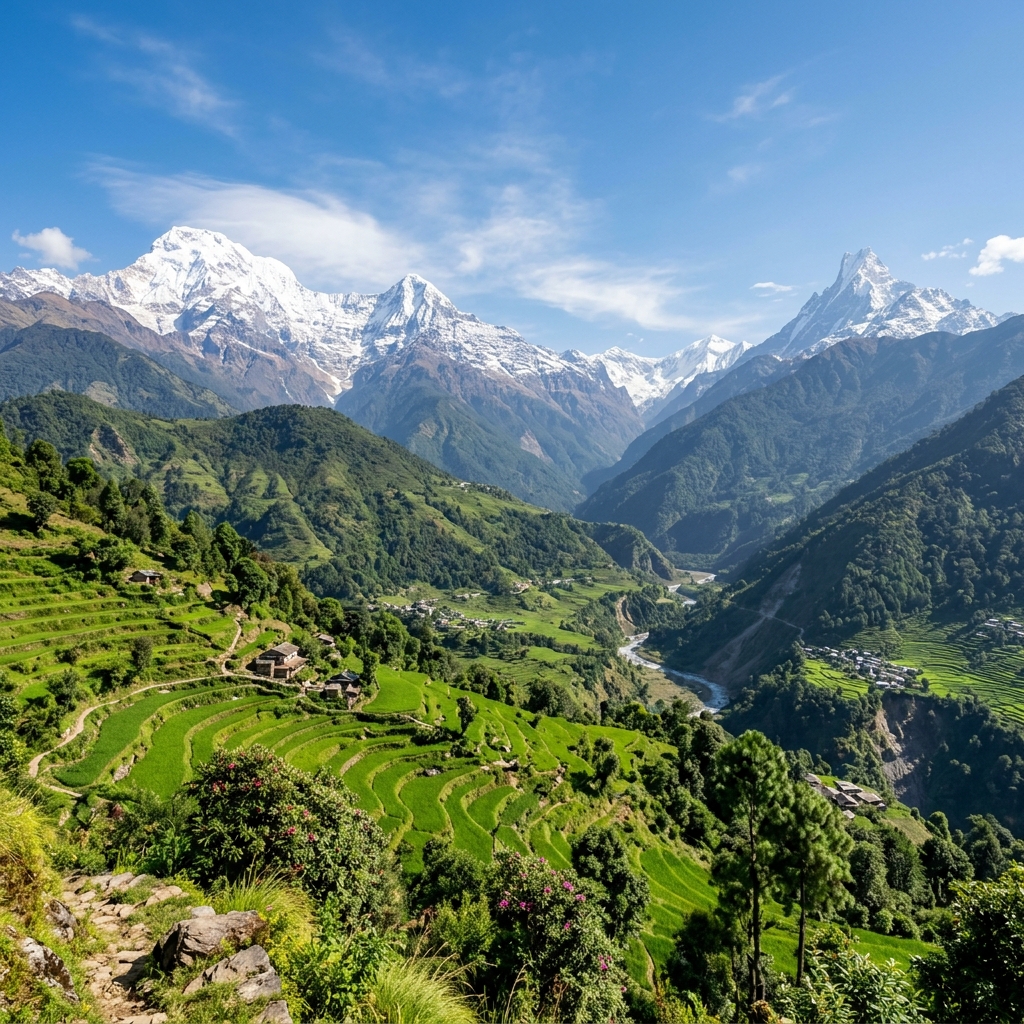
| Scenery Transformation | Subtropical lush valleys → Alpine pine forests → High Tibetan arid desert. | Terraced farmland → Bamboo & rhododendron jungle → Sheer glacial walls. |
| Physical Terrain | Gradual valley walks + 1 strenuous pre-dawn scree/snow pass crossing. | Endless undulating stone staircases (thousands of steps daily). |
| Road Construction Impact | Dirt road exists on lower sections; NATT trails avoid 85%+ of road. | Zero road impact beyond Siwai/Ghandruk (100% foot trails). |
| All-Inclusive Package Cost | $990 – $1,250 USD | $750 – $950 USD |
| Ideal Trekker Profile | Hikers wanting high pass adventure, diverse culture, and 2+ weeks of time. | Hikers with 7-10 days seeking direct face-to-face 8,000m mountain drama. |
3. Scenery & Topography: Trans-Himalayan Plateau vs. 360° Amphitheatre
Both expeditions deliver world-class Himalayan vistas of completely distinct character:
Annapurna Circuit Vistas
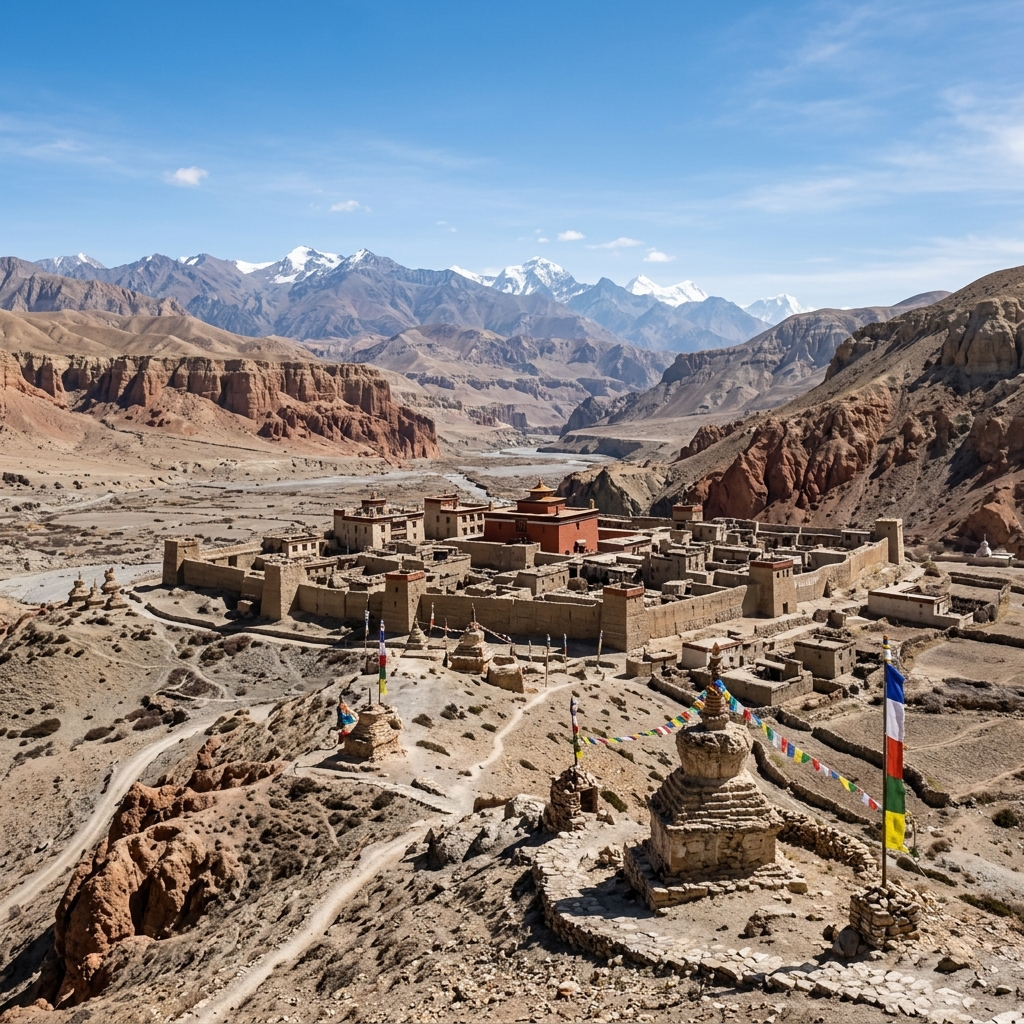
The Circuit's primary visual strength is ever-changing diversity. You begin in emerald rice paddies in Besisahar, climb through apple orchards in Pisang, emerge into the Tibetan arid rain-shadow of Manang, and look down upon the Kali Gandaki (the world's deepest gorge) from Thorong La.
- ✓ Views of Annapurna II, III, IV, Gangapurna & Tilicho Peak
- ✓ Dramatic transition into Mustang's arid lunar moonscape
- ✓ Optional side-trip to sacred turquoise Tilicho Lake (4,919m)
Annapurna Base Camp Vistas
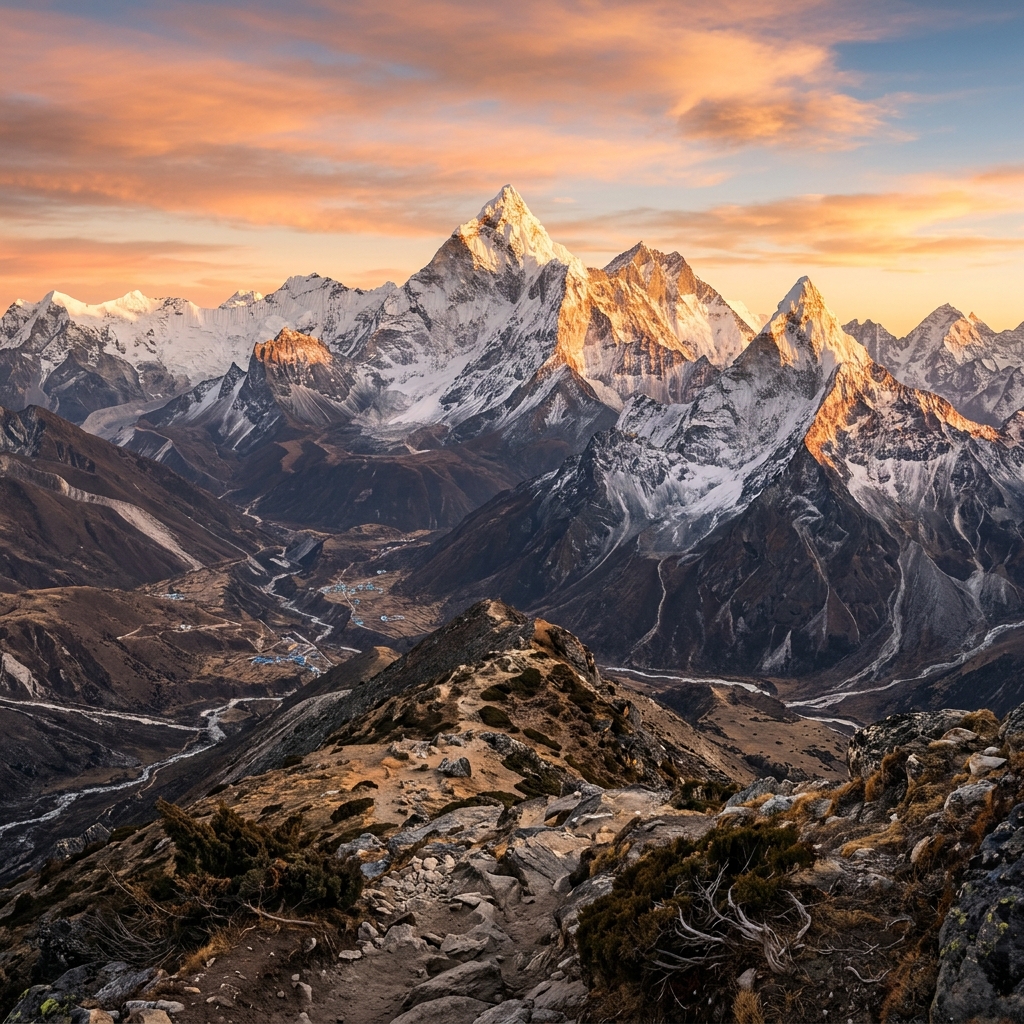
ABC provides the most concentrated, jaw-dropping mountain climax in the world. Walking up the Modi Khola canyon between Machapuchare and Hiunchuli, you enter the Sanctuary: a natural 360-degree amphitheatre where 10 giant peaks encircle you in sheer ice and rock.
- ✓ Stand directly beneath the 4,000m sheer South Face of Annapurna I
- ✓ Intimate sunrise over Machapuchare (Fishtail) from MBC
- ✓ Spring rhododendron blooms across the lower Sanctuary canyon
4. Altitude Acclimatization vs. Thousands of Stone Steps
The physiological demands differ between the two routes:
Circuit: Thorong La Pass (5,416m)
The crux of the Circuit is the pre-dawn pass climb starting at 3:30 AM in sub-zero temperatures (-10°C to -15°C). Trekkers climb 600–900m of scree and snow before descending 1,600m to Muktinath. Strict acclimatization in Manang is vital.
ABC: The Chomrong Stone Staircases
ABC tops out at 4,130m, but punishes the knees with over 2,140 stone steps descending to Chomrong Khola and 1,800 steps ascending the other side twice. Strong quad and knee strength is essential.
5. Interactive Quiz: Which Annapurna Route Matches You?
Answer 4 quick questions to receive a personalized recommendation:
Based on your preferences, the Annapurna Circuit is your ideal 2026 Himalayan adventure!
Book Your Recommended Trek →6. Real 2026 Package Costs & Budget Comparison
Both routes require ACAP (NPR 3,000) and TIMS (NPR 2,000) permits. Transport and duration dictate the total investment:
| Cost Item | Annapurna Circuit (14 Days) | Annapurna Base Camp (10 Days) | 18-Day Circuit + ABC Combo |
|---|---|---|---|
| All-Inclusive Package | $990 – $1,250 USD | $750 – $950 USD | $1,450 – $1,750 USD |
| Transport Included | Private Jeep to Chame/Dharapani + Jomsom/Pokhara transfer. | Private vehicle Pokhara to Nayapul/Siwai roundtrip. | All Jeeps, mountain transfers, and Pokhara transport. |
| Lodging & Meals | 14 days teahouse rooms + 3 meals daily + tea/coffee. | 10 days teahouse rooms + 3 meals daily + tea/coffee. | 18 days teahouse rooms + 3 meals daily + hot springs. |
| Guide & Porter Ratio | 1 Licensed Guide + 1 Porter per 2 Trekkers (Insured). | 1 Licensed Guide + 1 Porter per 2 Trekkers (Insured). | 1 Licensed Guide + 1 Porter per 2 Trekkers (Insured). |
7. Road Construction Reality & The NATT Trail System
Demystifying the impact of dirt roads on the Annapurna Circuit:
While a dirt jeep track now extends along the Marsyangdi and Kali Gandaki river valleys, the Natural Annapurna Trekking Trail (NATT) system bypasses over 85% of the road.
By trekking on the opposite bank through Upper Pisang, Ghyaru, and Ngawal, Circuit hikers enjoy pristine pine forests, ancient chortens, and jaw-dropping Annapurna II views without sharing footpaths with vehicles.
Conversely, Annapurna Base Camp is completely road-free once you cross the suspension bridges beyond Siwai. The Modi Khola gorge is too narrow and steep for road construction, ensuring 100% pure mountain trails.
8. 10 Uncensored Secrets of the Annapurnas
Filter insider tips across culture, logistics, and trail safety:
Take the High Route via Ghyaru & Ngawal on the Circuit
Never take the lower road from Pisang to Manang. The high route through Ghyaru (3,670m) and Ngawal (3,660m) offers Nepal's most breathtaking panorama of Annapurna II and IV and accelerates natural acclimatization.
Deurali to MBC Avalanche Chutes on ABC
The narrow gorge between Deurali and Machapuchare Base Camp passes through active avalanche chutes from Hiunchuli in spring. Guides monitor snowpack and use the alternative riverbed trail during heavy thaw periods.
Muktinath's 108 Sacred Water Spouts
Immediately after crossing Thorong La, you arrive at Muktinath, sacred to both Hindus and Buddhists. Running beneath all 108 stone spouts is believed to cleanse a lifetime of negative karma.
Combine Poon Hill with ABC for the Ultimate Sunrise
Adding Ghorepani Poon Hill (3,210m) to your ABC itinerary adds only 2 days and gives you the iconic Dhaulagiri sunrise before ascending into the Sanctuary.
Do Not Sleep at High Camp on Thorong La If Symptomatic
Thorong High Camp sits at 4,880m with severe cold and thin air. If you experience headaches at Thorong Phedi (4,540m), stay at Phedi instead of pushing to High Camp.
Gurung Heritage and Brave Gurkha Soldiers
Chomrong and Ghandruk are the ancestral homeland of Gurung soldiers who have served with distinction in the British and Indian Gurkha regiments for two centuries.
Carry Microspikes on Both Routes
Even in peak autumn, shaded icy patches occur on Thorong La pass and the canyon steps between Dovan and ABC. A $20 pair of microspikes prevents dangerous slips.
Riverside Natural Hot Springs at Tatopani & Jhinu
Both routes feature natural geothermal hot springs: Tatopani on the Circuit and Jhinu Danda on the ABC descent. Perfect for soaking sore hiking muscles.
Fresh Apple Pie in Marpha and Braka Bakeries
The Annapurna Circuit is legendary for its German bakeries in Braka and fresh warm apple pies in Marpha, baked fresh daily by local families.
Trekking Poles are Mandatory for ABC Steps
Trekking poles reduce impact forces on your knee joints by up to 25% when descending the 2,140 stone steps of Chomrong.
9. Frequently Asked Questions: Circuit vs. Base Camp
Field-tested answers to the 10 most critical logistical and safety questions: